Mexican environmental authorities have reported that this tourism activity has reached its established carrying capacity. With the season approaching, the announcement raises questions about the future of one of the Mexican Caribbean’s best-known diving experiences.
PLAYA DEL CARMEN, MEXICO — October 7, 2026. Bull shark (Carcharhinus leucas) diving off Playa del Carmen has reached the carrying-capacity limit established for the activity, according to José Juan Domínguez Calderón, director of the Mexican Caribbean Biosphere Reserve, in statements reported by local media this week.
The announcement comes ahead of the bull shark observation season, which typically runs from November through March. This experience distinguishes the Riviera Maya’s dive offering and offers a way to connect tourism with the conservation of large marine predators.
Reaching a capacity limit, however, calls for examining how visitor demand can be managed without adding pressure to wildlife and ecosystems.
What reaching carrying capacity means
Tourism carrying capacity aims to establish use limits compatible with protecting a natural area. Depending on the activity and the applicable studies, it may involve restrictions on visitor numbers, vessels, dives or intensity of use.
Domínguez Calderón said these limits are based on technical assessments. He also indicated that other nature-based activities, including swimming with turtles in Akumal and whale shark encounters, have reached their respective established limits.
Reaching an authorized capacity does not necessarily mean environmental harm has been demonstrated. It means the activity has reached the use threshold defined through the relevant technical instrument. Nor does it automatically mean that existing services must stop.
The publicly available information reviewed does not establish the exact numerical limit, the number of operations actually conducted or whether authorities plan to modify existing authorizations. These distinctions matter when interpreting the announcement.
A regulated area in the Mexican Caribbean
Bull shark diving takes place in a designated part of the Mexican Caribbean Biosphere Reserve off Playa del Carmen. The protected area’s management program identifies the Tiburón Toro Public Use Subzone, covering approximately 10.34 hectares.
The document recognizes the animals’ seasonal presence and establishes a framework for activities compatible with conservation objectives.
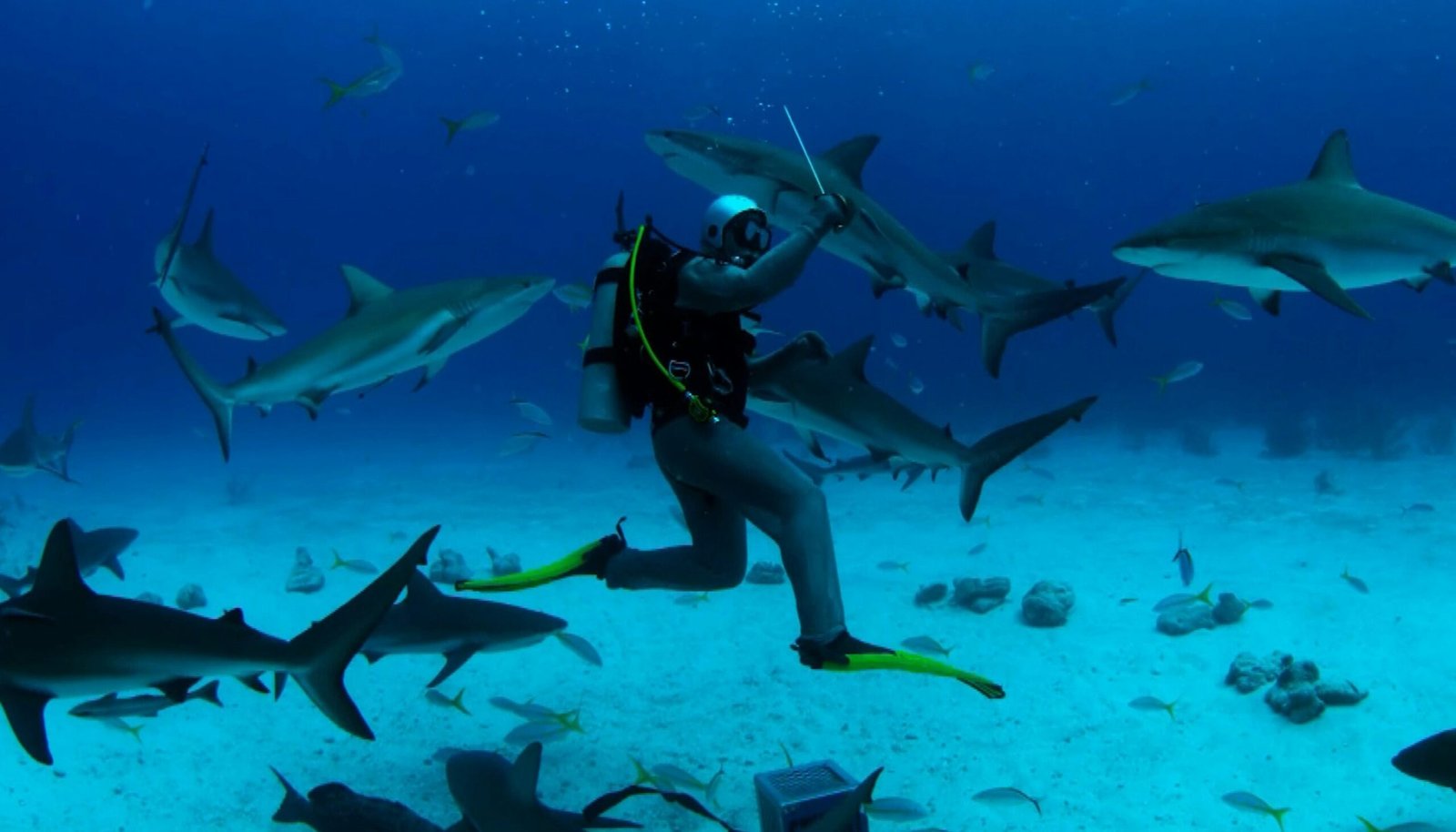
The experience principally operates in two forms: observation and attraction. Both are addressed in official documents concerning tourism use of the site.
Regulation matters because management extends beyond diver numbers. Visitor behavior, vessel operations, safety conditions and potential changes in shark behavior also need to be considered.
An activity with economic and environmental value
The seasonal presence of bull sharks has helped distinguish Playa del Carmen from other Caribbean dive destinations. Operating these encounters requires specialized businesses, trained personnel, marine logistics and specific protocols.
An economic challenge emerges when growth in customer numbers meets an environmental ceiling. Businesses may need to examine approaches built around experience quality, professional standards and economic value per visitor rather than relying exclusively on more dives.
That does not mean higher prices or smaller groups automatically produce better environmental outcomes. Each measure should be tested against site-specific evidence and operating conditions.
Geographical Indication: another development in 2026
Separately, an application for Geographical Indication protection associated with bull shark diving in Playa del Carmen was advanced during 2026.
Official documents from the Quintana Roo government record submission of the file to Mexico’s Industrial Property Institute (IMPI) and work on rules governing its use. The initiative seeks to associate this tourism experience with its geographical origin and specified operational standards.
Submitting an application is not the same as obtaining final approval. Any protection and associated obligations depend on the official decision and applicable legal framework.
The challenge ahead of November
The next season will again test how this activity is managed. Four issues warrant public scrutiny:
- Transparency: access to the carrying-capacity study and its underlying parameters.
- Conservation: scientific monitoring of shark presence and behavior.
- Operations: how available permits are allocated and supervised.
- Local economy: how volume restrictions affect operators, workers and related businesses.
The case also matters beyond Mexico. Whenever a wildlife-based tourism destination approaches environmental limits, the same question arises: how can economic viability be maintained without undermining the natural resource on which the experience depends?
Bull shark diving’s future should not be measured solely by visitor counts. Conservation outcomes, safety, regulatory compliance and verifiable community benefits matter too.
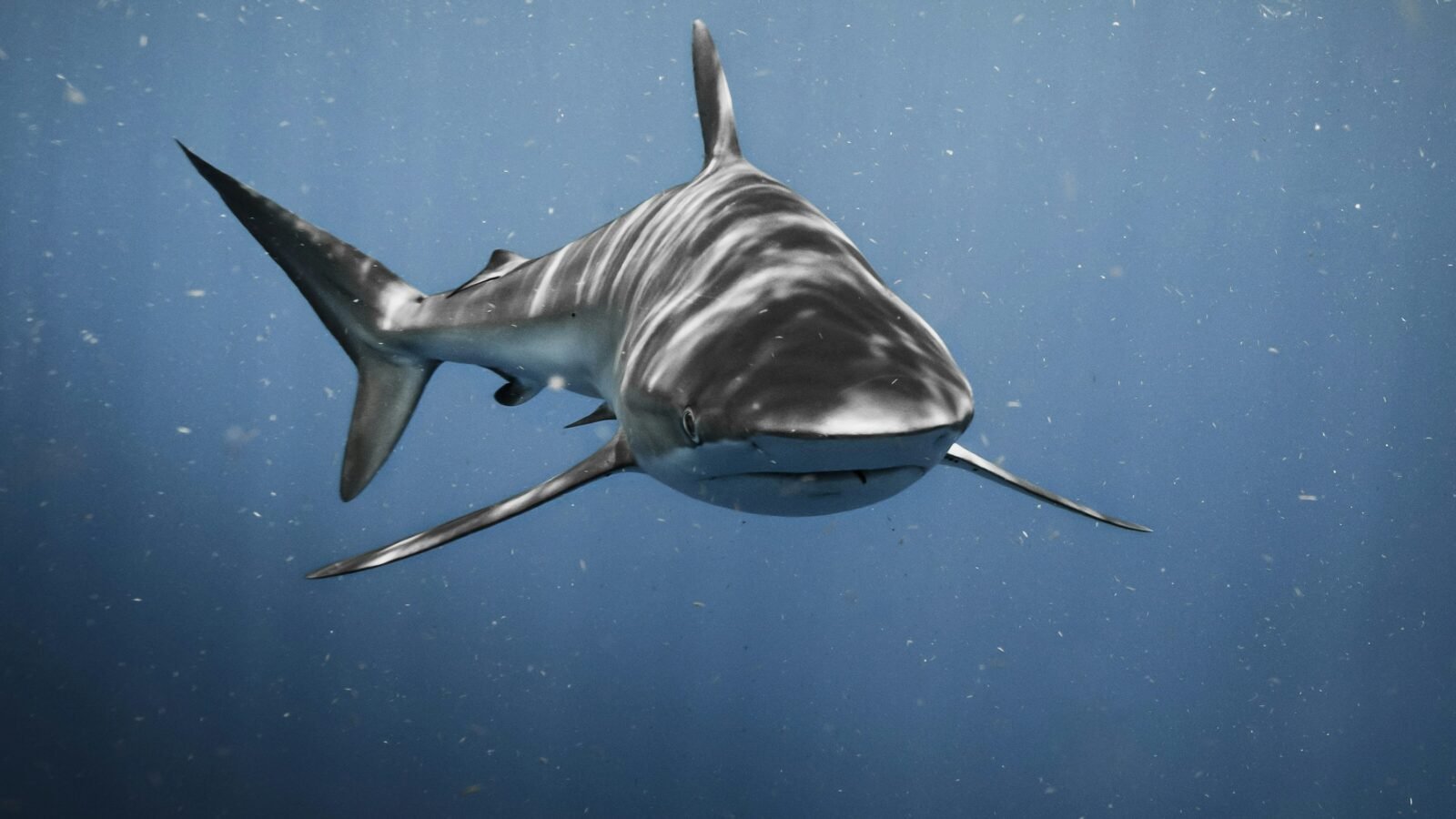
Cover photo (archive): a shark photographed in Jupiter, Florida, United States; not taken at the site discussed in this story. Photo: Chase Baker / Unsplash.
Documentary sources
- National Commission of Natural Protected Areas (CONANP), Management Program of the Mexican Caribbean Biosphere Reserve.
- Mexican Official Gazette, publication concerning the proposed Geographical Indication “Tiburón Toro de Playa del Carmen, Quintana Roo.”
- Government of Quintana Roo, official reports on the Geographical Indication application process, May and July 2026.
- La Pancarta de Quintana Roo, “Alcanza buceo con tiburón toro su límite de capacidad en Playa del Carmen,” October 5, 2026.
- Saving Our Sharks, documentation of best practices for bull shark diving.