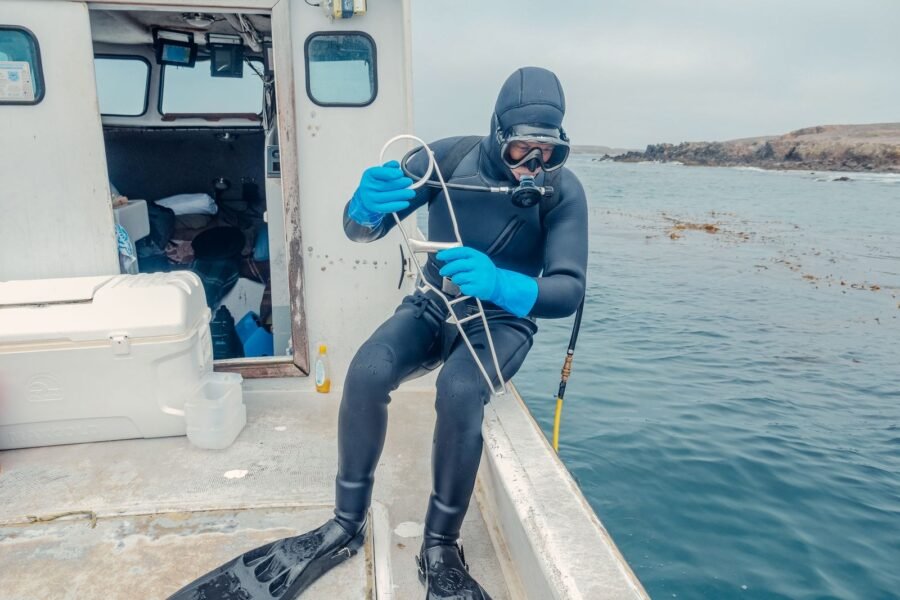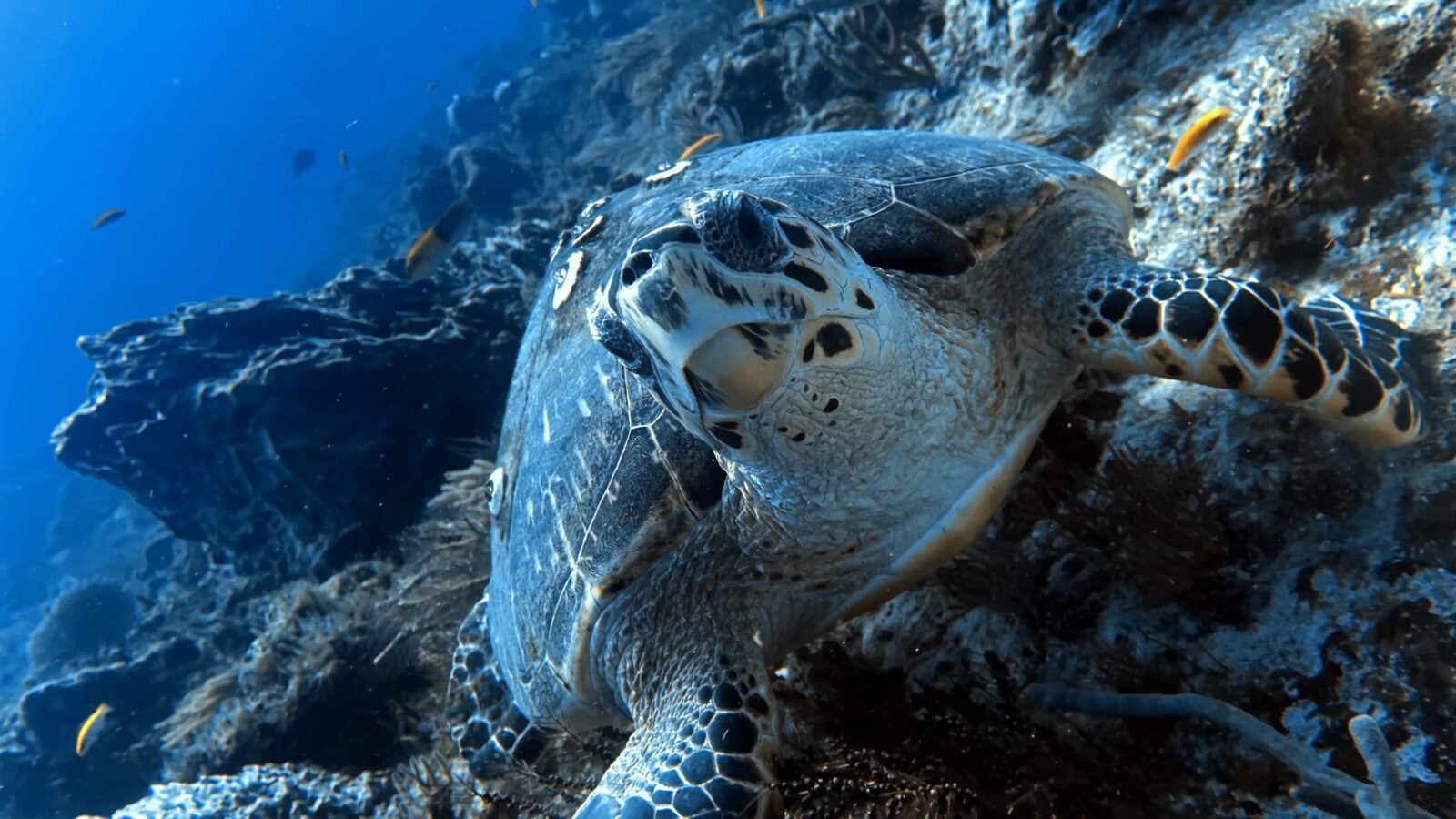
In many Latin American destinations, the dive day begins before the tourist reaches the dock. It begins with the captain checking the wind, the instructor reviewing gear, the operator answering WhatsApp messages and the guide explaining, often in two languages, why the sea does not always follow the itinerary. In that mix of beauty, logistics and uncertainty, the new trends in regional dive tourism are taking shape.
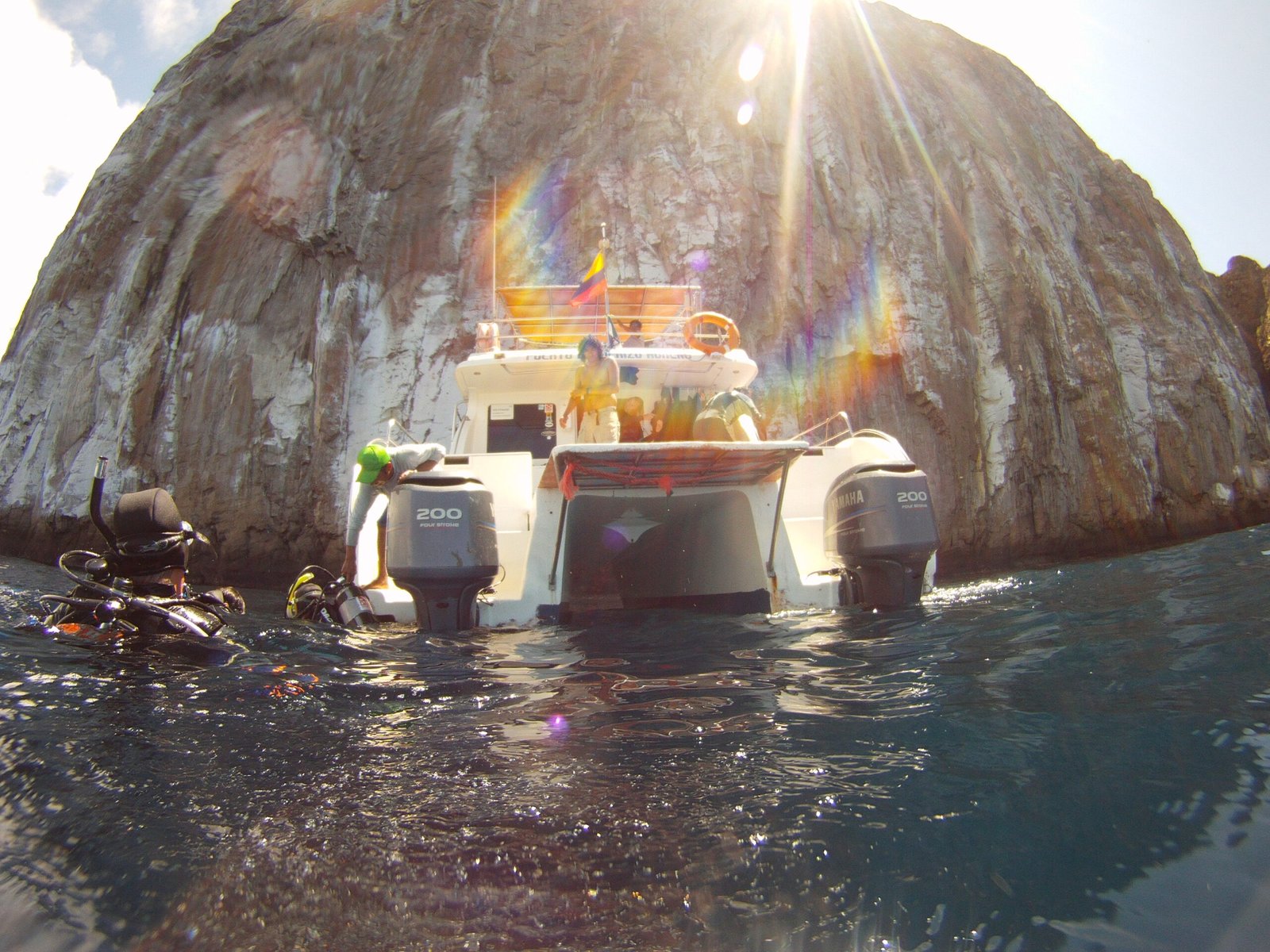
Diving is moving from a beach add-on to a reason for travel. The strongest operators are no longer selling only dives; they are selling context, trust and a clear relationship with the destination.
For years, Latin American diving was often sold as one more activity within a beach vacation: two tanks, nice photos, back to the hotel. That model still exists. But the traveler is changing. Divers ask more questions, compare more options, book differently and expect the experience to mean something beyond entering the water.
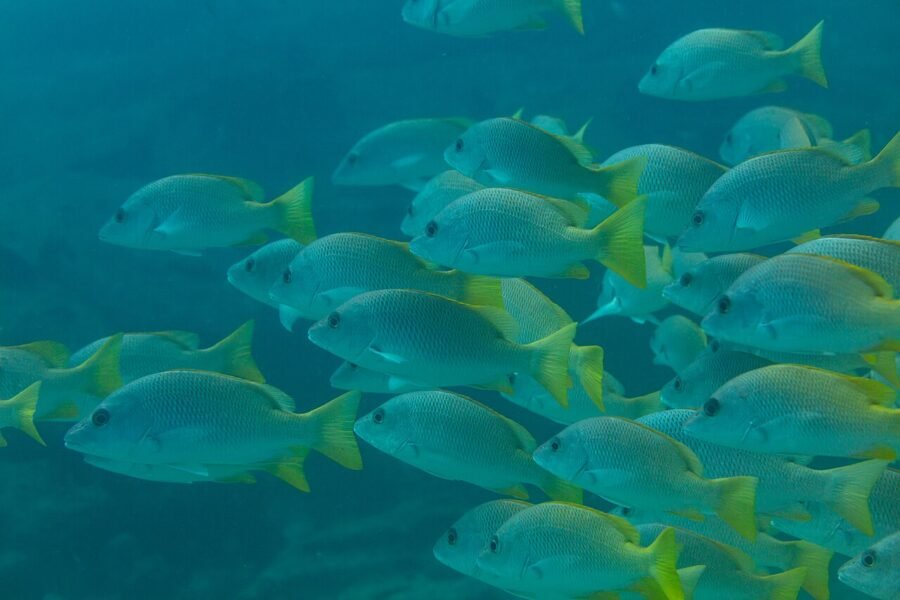
A diver traveling to Cozumel, Galapagos, Roatan, Bocas del Toro, Cabo Pulmo, Fernando de Noronha or the Riviera Maya no longer wants only to “see fish.” They want to understand seasonality, species, certification level, reef condition, operator safety, environmental impact and the story behind the destination.
From quick tour to contextual experience
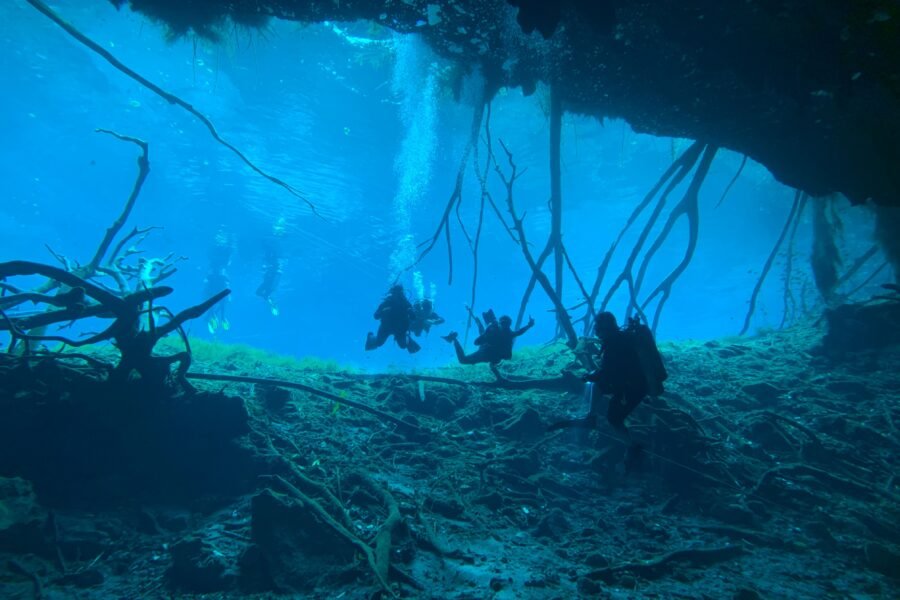
The strongest trend is not complexity. It is better storytelling. A reef is not just a dive site. It is coastal protection, fishing, employment, biodiversity and local memory. A cenote is not just a blue photo. It is groundwater, geology, culture and responsibility. An oceanic island is not just adventure. It is weather, permits, distance and risk management.
Smaller groups and clearer itineraries.
Proof matters more than slogans.
The sale begins on the phone.
Visible procedures build trust.
The value of less obvious destinations
Latin America has strong names. Galapagos, Cozumel, Cocos, Malpelo and Roatan carry real weight. But the future will not belong only to famous destinations. Secondary places can grow if they organize their offer clearly.
The reason is simple: adventure travelers increasingly look for identity, less saturation and a sense of discovery. But romance is not enough. A small destination can have an extraordinary reef and still fail if it cannot solve access, safety, communication, payments, booking, transport, equipment availability and trust.
Sustainability is no longer decorative
In diving, sustainability is not a slogan. If the reef degrades, if wildlife moves away or if water quality declines, the product disappears. Programs such as Green Fins have pushed clearer standards: no touching coral, no feeding wildlife, better mooring practices, less plastic, stronger briefings and more environmental training for guides.
The Caribbean shows why urgency matters. Coral monitoring reports have documented major losses of hard coral cover and increases in macroalgae over recent decades. For a local guide, those numbers mean something concrete: less life in places that used to be abundant.
Technology changed how diving is bought
The client no longer waits to arrive at the destination. They read reviews, check photos, send messages through Instagram, compare maps and expect quick answers. If the information is not clear, they book with someone else.
For a dive center, going digital is not only adding a booking button. It means showing prices, requirements, cancellation policies, languages, certification levels, real images, site conditions and signals of trust.
Safety becomes part of the experience
Generic promises are no longer enough. Travelers want to know how many people are assigned per guide, whether oxygen is available, how equipment is checked and what happens if conditions change. A strong briefing does not make diving less attractive. It makes the experience feel controlled.
Latin America has the product: reefs, islands, cenotes, whales, sharks, mantas, mangroves, wrecks and coastal culture. What is still missing in many places is structure. The opportunity is not to sound more sophisticated. It is to tell better what already happens every day on the coast and underwater.
More women, families and younger divers
The profile of divers is also widening. International training organizations have reported growing participation by women and younger people in entry-level and continuing education. That makes it necessary to reconsider how diving is presented to potential customers.
Not everyone arrives in search of adrenaline. Some arrive feeling anxious. Others come with children; some want photographs; others are looking for a quiet experience with a partner. Still others see diving as the beginning of a career change. Speaking to all of them as though they were the same technically minded, experienced male diver leaves many people out.
Centers that recognize these differences can provide more supportive courses, clearer information, suitable equipment, realistic schedules, family experiences and education that continues after the first dive.
Latin America has the experiences; the challenge is to organize them
Latin America does not need to exaggerate its potential. Its reefs, oceanic islands, cenotes, whales, sharks, mantas, mangroves, shipwrecks, coastal cultures and communities with generations of marine knowledge are already extraordinary. The question is whether that richness will translate into a more resilient diving industry.
The risk lies in turning everything into a commodity: two tanks, the same price, the same promise, the same sales pitch. When that happens, a destination competes against itself. Margins shrink, investment falls, service quality suffers and pressure on the dive sites increases.
The opportunity is different: experiences explained with care, operators whose standards are visible, demonstrable conservation, genuine safety and a narrative connecting each dive with its surroundings. Latin American diving does not need to sound more sophisticated. It needs to tell the story of what happens every day beneath the surface and along the coast.
Five forces reshaping dive tourism
Experience: visitors want context and expert guidance, not just time in the water.
Destinations: lesser-known sites can thrive when logistics and safety are clear.
Conservation: credible environmental practices increasingly matter.
Technology: booking and trust are built long before arrival.
Safety: transparent limits and well-run operations are part of the experience.
A change in approach
Two dives can look identical on a rate sheet yet feel entirely different to a visitor. One is simply a service delivered; the other is an encounter with a place, its people and its living environment. Explaining that difference honestly may be one of the most important changes in the region’s dive tourism.