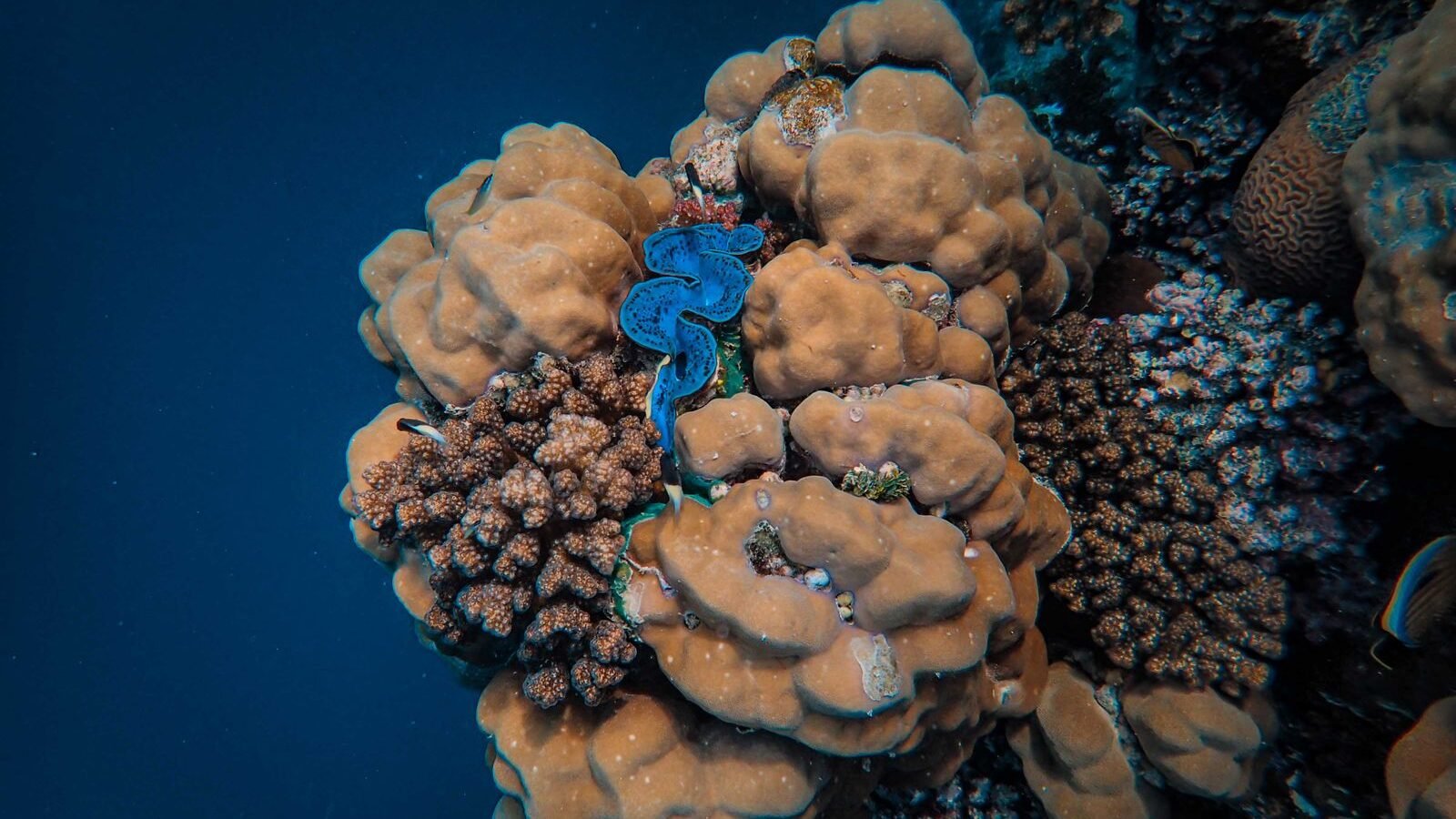
*A study published in Nature confirms that 340 reef-building coral species fall into categories of extinction risk. In the Atlantic, the estimated proportion reaches 50%. The study reinforces concerns about the future of the ecosystems that support much of the Caribbean’s dive tourism industry and raises new questions about how to protect them.*
Underwater, changes are not always immediately apparent. A reef can continue to offer extraordinary scenery, welcome divers every day, and support abundant marine life while some of the species that form its structure experience progressive deterioration.
Corals grow slowly, respond differently to environmental stress, and can take years to recover from a major disturbance. Understanding their condition therefore requires looking beyond what a site appears to be like during a single dive.
On October 15, 2026, the scientific journal Nature published a global assessment offering a troubling perspective: 44% of reef-building coral species with sufficient information for assessment are threatened with extinction.
The research was conducted by specialists associated with the International Union for Conservation of Nature (IUCN) Coral Specialist Group, with contributions from researchers across different regions of the world, including Latin America.
Its findings provide a scientific basis for understanding the risks facing reefs. They also remind us that reef conservation is directly connected to economic activities that depend on healthy marine ecosystems.
What the Research Found
The study examined 892 species of warm-water reef-building corals.
Of these, 774 had sufficient information to assess their extinction risk. The remaining 118 were classified as data-deficient species.
Among the species that could be assessed, researchers identified:
- 33 species classified as Critically Endangered.
- 251 species classified as Endangered.
- 56 species classified as Vulnerable.
In total, 340 species fall within the three threatened categories used by the IUCN Red List.
This percentage represents a significant deterioration compared with the first global assessment, conducted in 2008, when approximately one-third of reef-building corals were considered threatened.
An important historical clarification is necessary. The IUCN had already announced the 44% finding in November 2024. What is new as of October 15, 2026, is the publication of the complete scientific analysis in Nature, which details its methods, findings, and limitations.
The research does not mean that 44% of corals have disappeared or that this proportion of the world’s reefs is dead.
A threatened species can still maintain living populations. Its classification indicates an extinction risk assessed using scientific criteria, not a prediction of when it will disappear.
This distinction is essential for communicating the problem accurately.
The Atlantic Faces a Particularly Difficult Situation
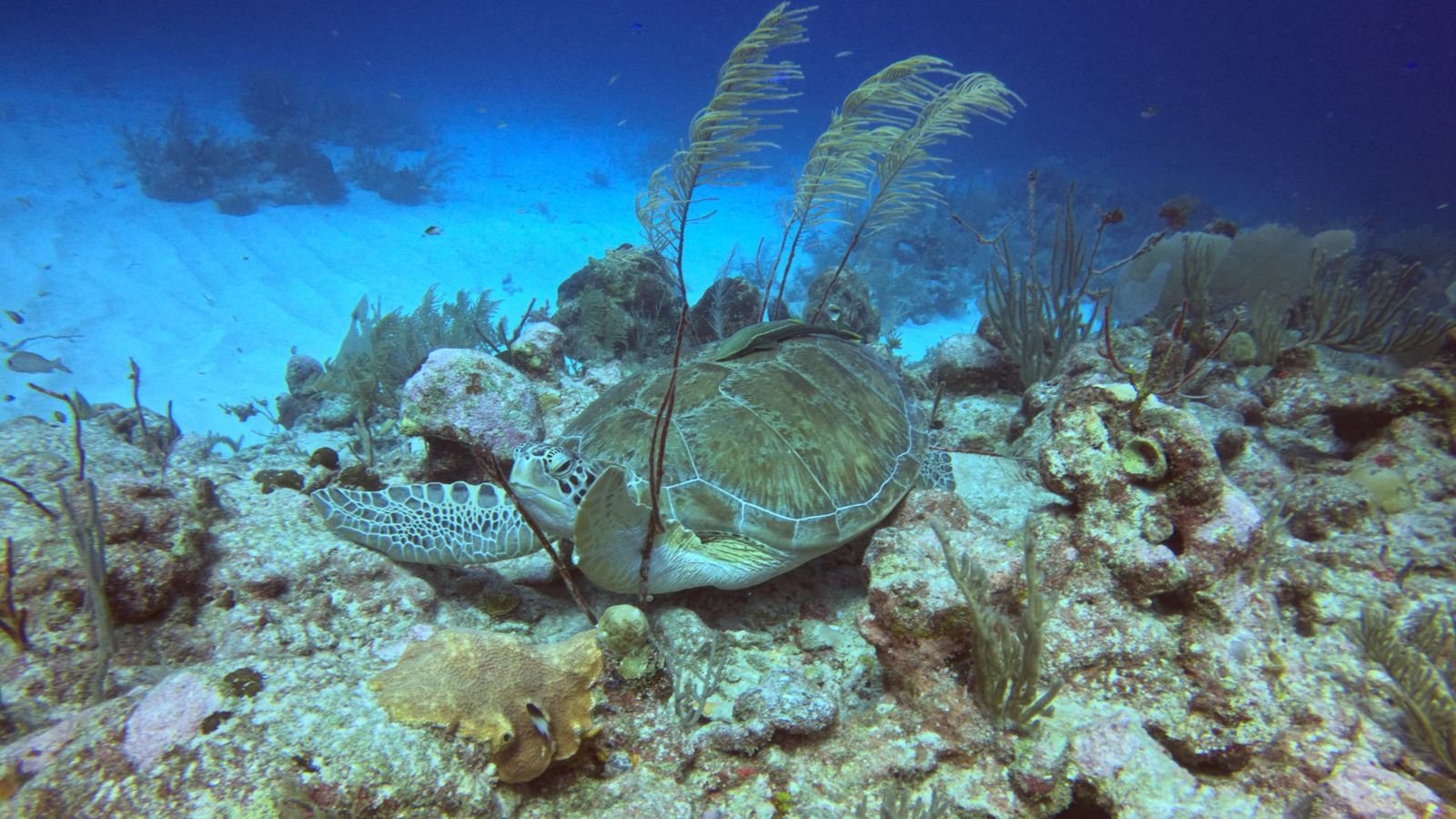
Although Indo-Pacific reefs contain much of the world’s coral diversity, the Atlantic has a particularly high proportion of threatened species.
The research estimates that 43% of assessed Indo-Pacific species fall into threatened categories. In the Atlantic, that proportion reaches 50%.
The latter figure is relevant to the Wider Caribbean, where reefs form part of the natural and economic heritage of Mexico, Belize, Honduras, Cuba, the Dominican Republic, Colombia, Panama, and other countries and territories.
However, the Atlantic percentage refers to the full set of species studied in that ocean region. It should not be interpreted as a separate measurement for each country or as the proportion of Caribbean reefs that have been destroyed.
In places such as Cozumel, the Bay Islands, the Belize Barrier Reef, or Colombia’s coral reefs, tourism depends on ecosystems that offer much more than underwater scenery.
Corals provide shelter and habitat for numerous species, contribute to the structural complexity of the seafloor, and participate in ecological processes essential to tropical reefs.
Their degradation can alter marine communities and gradually reduce some of the natural appeal of diving destinations.
Yet not every site changes in the same way. Depth, water circulation, heat exposure, local pressures, and species characteristics can produce different responses, even among nearby reefs.
For this reason, regional data must be complemented by observations made at individual destinations.
Ocean Warming Is the Main Risk Factor
The research identifies thermal stress associated with climate change as the principal threat to the species assessed.
According to the analysis published in Nature, for 93% of the species classified in threatened categories, projected thermal stress over the next three decades was the dominant factor in their assessment.
The problem is not limited to exceptionally high temperatures over a few days. The frequency, duration, and intensity of warming events influence corals’ ability to withstand stress and recover.
When a coral experiences thermal stress, it may lose the symbiotic algae living within its tissues that provide much of its energy. This phenomenon causes coral bleaching.
Bleaching does not necessarily mean death. Some corals can recover when environmental conditions improve. However, prolonged or repeated events increase the risk of mortality and deterioration.
The scale of the problem became evident during the fourth global mass coral bleaching event, which began in 2023.
According to the United States National Oceanic and Atmospheric Administration (NOAA), between January 2023 and September 2025, approximately 84.4% of the world’s coral reef area experienced levels of thermal stress capable of causing bleaching.
That percentage does not represent coral mortality. It describes the extent of the thermal stress recorded.
NOAA itself reported in June 2026 that the global event had probably ended during 2025, although its ecological consequences require continued monitoring.
Another important consideration is that the results of the new Nature assessment use information extending only through 2020.
Therefore, they do not fully incorporate the impacts observed during the 2023–2025 global bleaching event. Researchers warn that the current situation could be more severe than their estimates indicate.
The Challenge of Measuring What Is Really Happening
The assessment also reveals a significant limitation in global coral research: complete population time series are unavailable for most species.
To estimate population declines, scientists used information on changes in coral cover, projections of severe bleaching, and biological characteristics related to species vulnerability.
This methodology makes it possible to assess risks on a global scale, but it is not equivalent to individually counting every coral colony.
This limitation does not invalidate the results. It determines how they should be interpreted.
In Latin America, access to comparable data remains essential for identifying which reefs are losing cover, which retain some capacity for recovery, and which measures are producing results.
The report Status and Trends of Caribbean Coral Reefs: 1970–2024, published by the Global Coral Reef Monitoring Network (GCRMN) in December 2025, had already documented the long-term deterioration of Caribbean reefs.
The two studies examine different dimensions of the problem.
The Nature assessment analyzes species’ extinction risk. The GCRMN report examines, among other indicators, changes in regional coral cover.
A loss of coral cover does not directly equate to the extinction of a species, although the two processes may be related.
Understanding reef conditions requires considering biodiversity, living coral cover, diseases, the recruitment of new corals, and the capacity to recover after stressful events.
What This Means for the Diving Industry
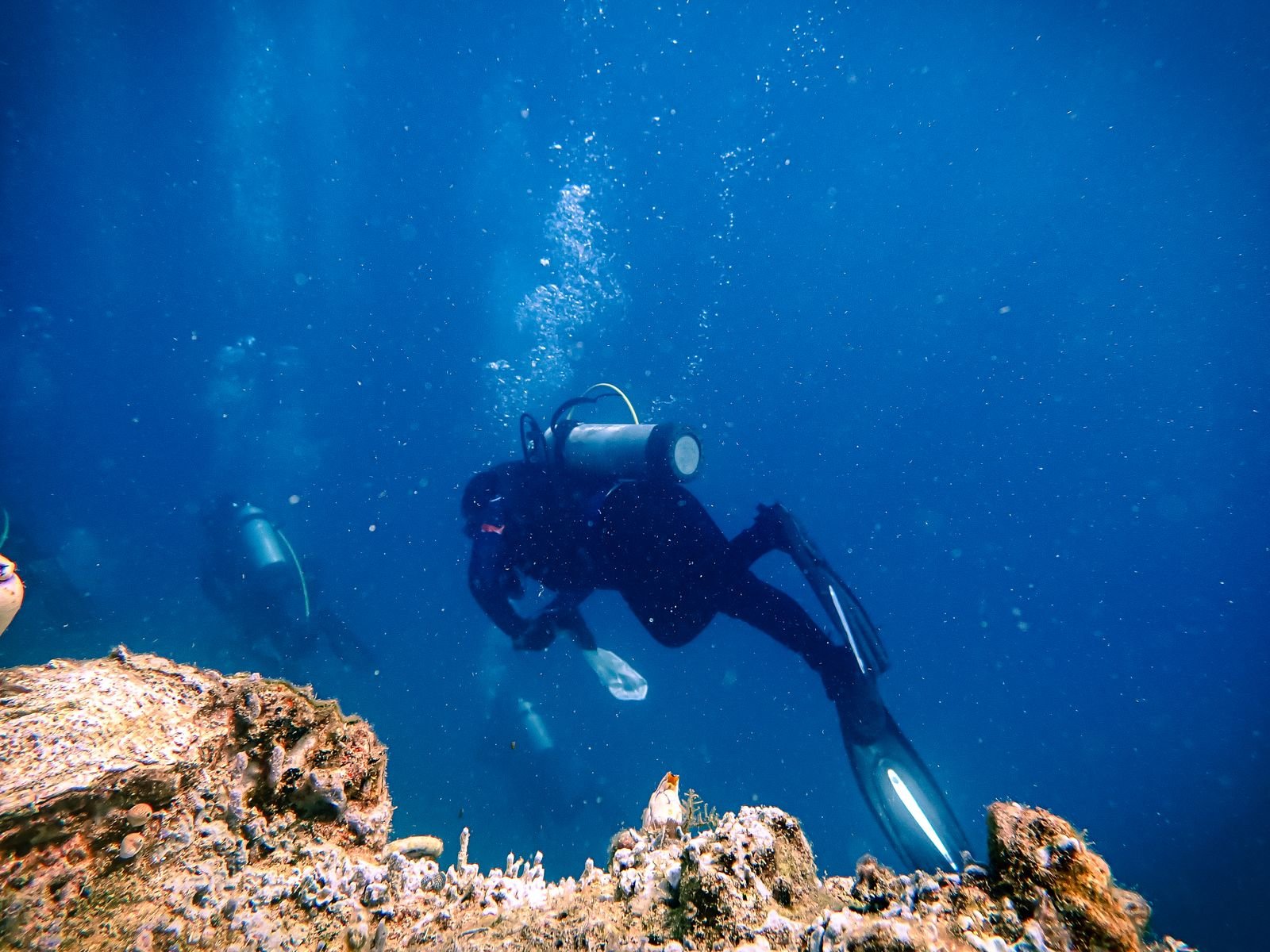
A dive center may conduct hundreds of dives at the same sites during a season. Its guides observe changes in visibility, fish abundance, seafloor conditions, and the apparent health of coral colonies.
This frequent exposure creates an opportunity to collaborate with environmental monitoring programs.
However, observing changes does not automatically amount to conducting scientific research. For such information to be useful, it requires protocols, training, and coordination with specialists.
Operators can contribute in several ways: facilitating monitoring dives, recording environmental observations using standardized methods, reporting incidents, training their teams, and reducing the physical impacts of recreational activities.
Buoyancy control, proper use of mooring buoys, preventing contact with the seafloor, and organizing dive groups appropriately remain necessary practices.
But their scope must be understood correctly.
These measures help reduce local pressures. They cannot, by themselves, stop global ocean warming.
Similarly, coral restoration projects can provide benefits under certain conditions, but their effectiveness depends on colony survival, genetic diversity, maintenance, and the environmental condition of the site.
Planting coral fragments does not guarantee the recovery of an ecosystem.
For an industry that sells experiences closely tied to the condition of the natural environment, distinguishing between demonstrable actions and environmental promises is becoming increasingly important.
The Future of Reefs Has Not Yet Been Decided
The research published in Nature does not establish a date for the disappearance of coral reefs. Nor does it suggest that all ecosystems will respond identically to warming.
Instead, it highlights differences among species, populations, and regions, and points out that every increment of temperature rise avoided can help preserve biodiversity and ecological functions.
This perspective matters.
The future of reefs does not depend exclusively on local solutions, but local management remains valuable. Reducing pollution, managing tourism impacts, protecting species, and strengthening monitoring can lessen additional pressures on ecosystems already facing global warming.
For Latin America, the challenge is particularly significant because numerous coastal destinations depend economically and socially on marine biodiversity.
Diving is directly connected to this issue. Not only because reefs represent one of its main attractions, but also because professionals working underwater every day are part of the communities that can help observe, document, and protect these ecosystems as they change.
The new scientific assessment leaves a clear warning: conserving reefs requires action before their deterioration becomes irreversible, and measuring results with the same rigor used to describe the threats.
Cover photograph: coral reef in Roatán, Honduras. Archive photograph: Erin Simmons / Unsplash.
Documentary Sources
- Obura, D. O., et al. Nearly half of reef-building corals face elevated relative risk of extinction. Nature, October 15, 2026.
- IUCN — Global assessment of coral extinction risk, October 15, 2026.
- IUCN — Original announcement of the global assessment, November 13, 2024.
- NOAA Coral Reef Watch — Fourth global bleaching event, updated June 2, 2026.
- GCRMN — Status and Trends of Caribbean Coral Reefs, 1970–2024, December 2025.