The meeting ended on October 18. What matters now is not repeating the program, but finding out what changes at dive centers when participants return to work.
Four Days of Conversation and an Uncomfortable Question
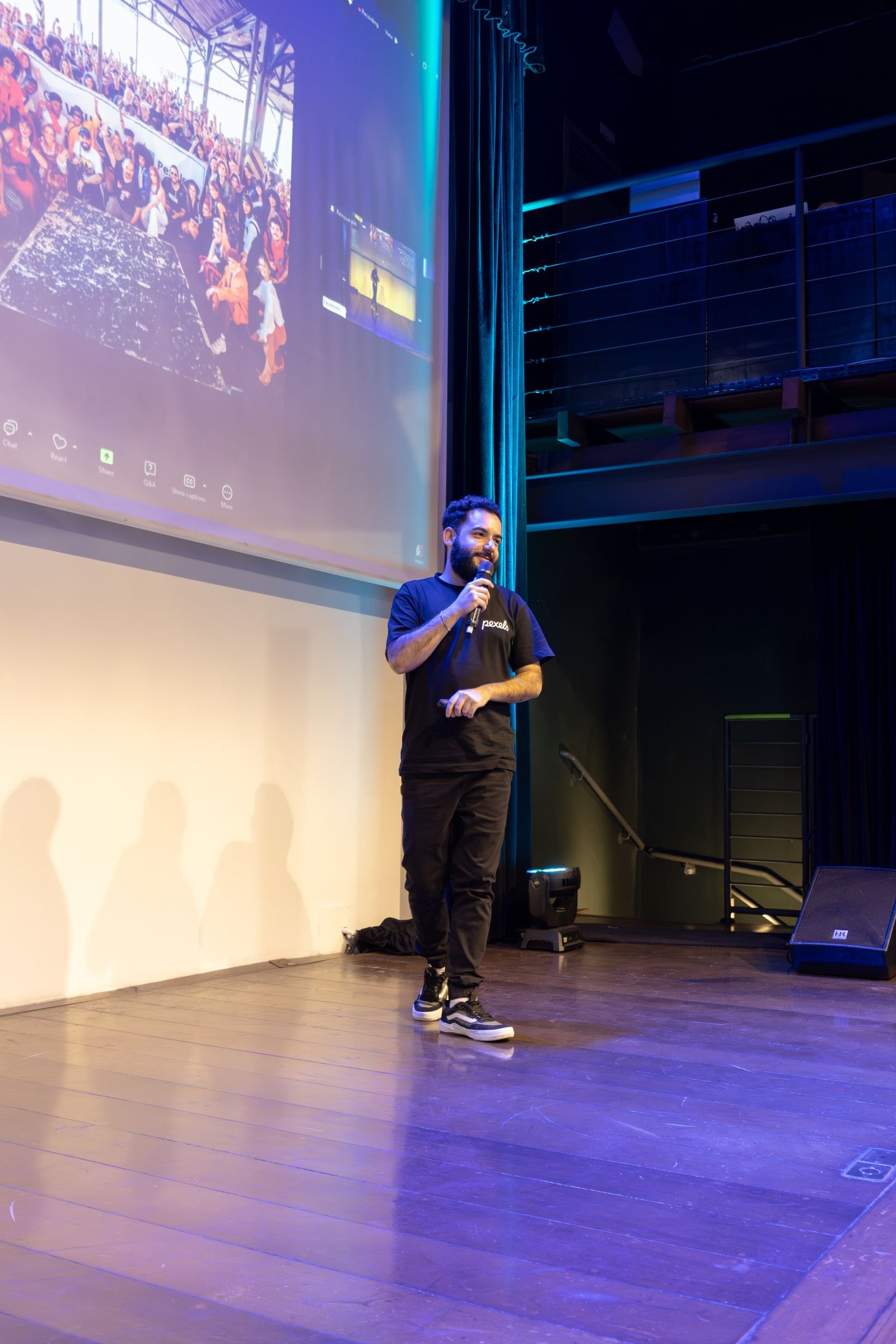
The International Diving Congress of Cozumel was held from October 15 to 18, 2026, at the Museo de la Isla. The program covered safety, conservation, technology and business. These are familiar subjects at industry gatherings. What is less common is finding evidence, months later, that those conversations changed how operations are run.
The agenda published by Divers Alert Network (DAN) and the Quintana Roo tourism register confirm the venue, dates and safety seminars. They do not, however, provide an assessment of subsequent impact. Nor have we located, for this review, a public record setting out agreements, responsible parties and deadlines. This is not an accusation against the event; it is the limit of what the available documentation allows us to state.
Safety: From the Conference Room to the Boat Deck
DAN devoted the first day to safety seminars. The subject could hardly be more relevant. An operator can attend a prevention presentation and return to work the next day without a recent drill, without a documented inspection of emergency oxygen equipment, or with procedures known only to the owner.
That reveals a distinction the industry should take seriously: knowing a procedure does not prove that a team can carry it out under pressure. Training has value when it leads to clear responsibilities, regular practice and records that help identify failures before an emergency.
For a small dive center, this does not necessarily mean buying more equipment. It can begin with reviewing who makes decisions, how a response is activated from the boat and what happens if the usual person in charge is absent.
Business Management Is Also Part of Professionalization
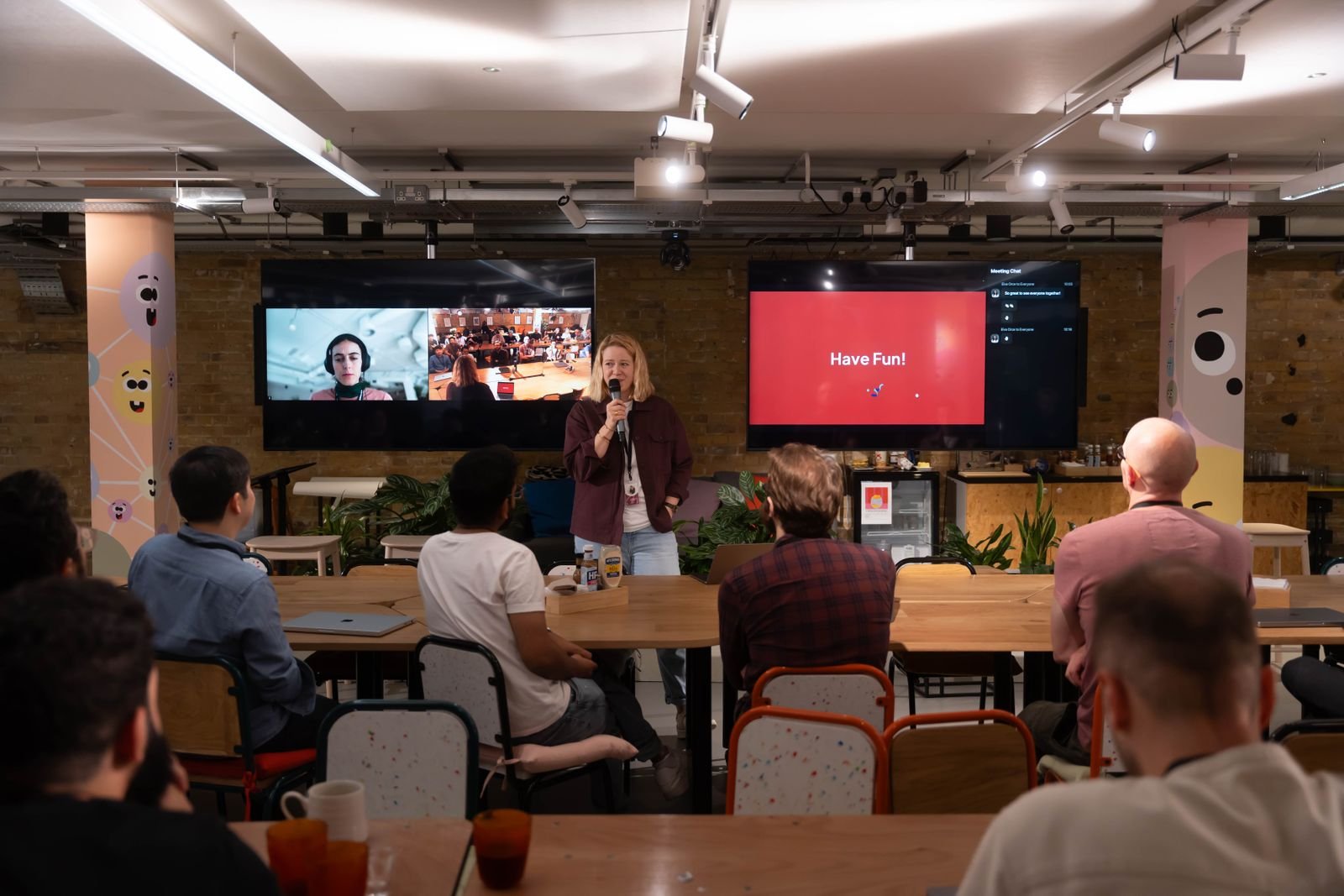
Many Latin American dive centers were built around an excellent instructor. Often, that instructor ends up handling reservations, payroll, maintenance, advertising and pricing. These are different jobs, and they are not always learned during technical training.
That is why it matters when a diving congress discusses marketing, administration and digital tools. The challenge is not to confuse innovation with accumulating apps: a solution is valuable if it reduces booking errors, improves equipment traceability or leaves a better margin per trip, not because it is fashionable.
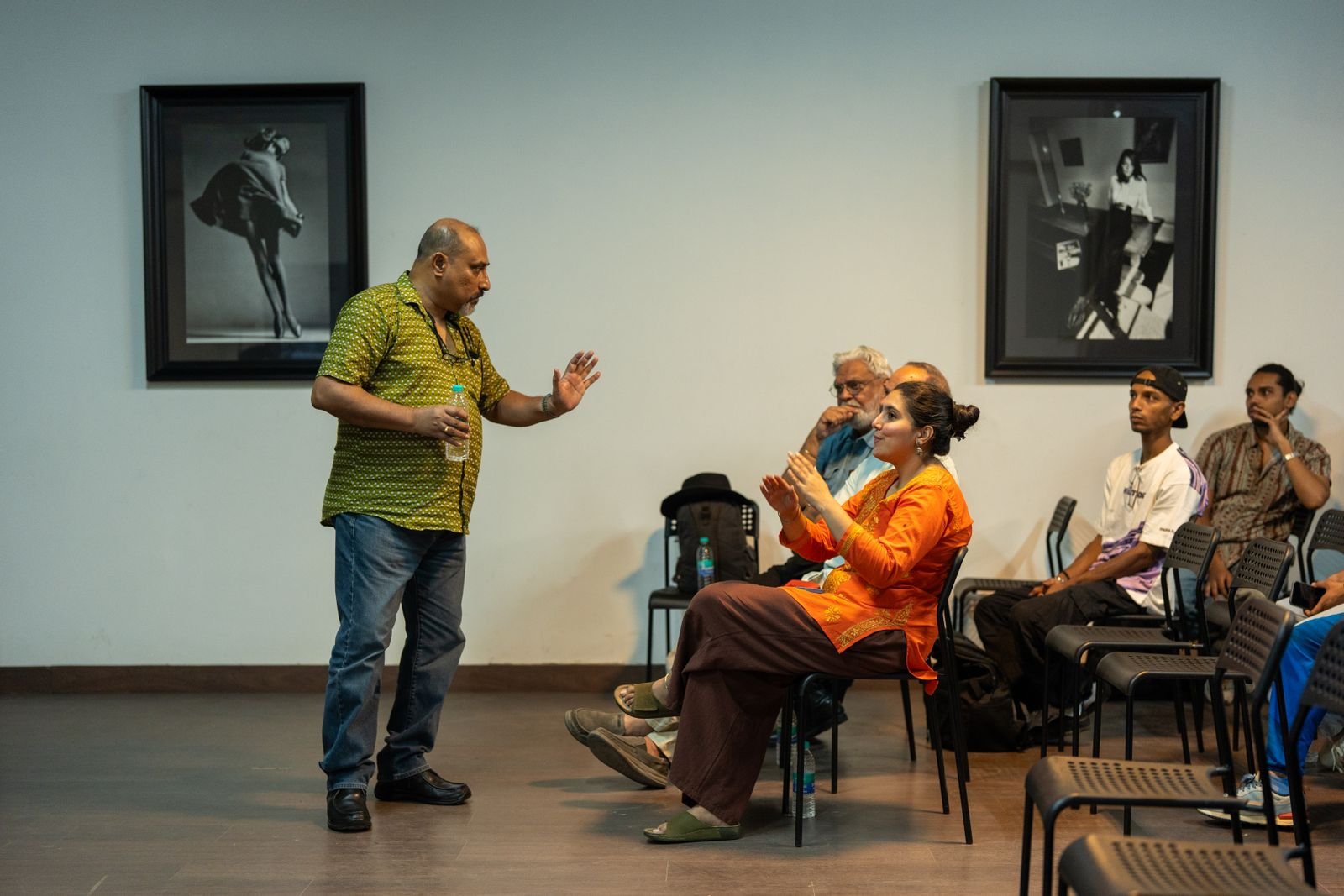
One question rarely appears in event photographs: how many operators know their true cost per dive, including boat depreciation, cancelled days and administrative time? Without that answer, it is difficult to sustain better wages, maintenance and service quality.
Protecting the Reef Also Means Making Commercial Decisions
In Cozumel, underwater activities are closely tied to reef condition. Conservation was on the agenda, but there are concrete steps between discussing it and changing an operation: controlling contact with the seabed, preparing guests better, managing moorings and following protected-area rules.
The relationship is not only ecological. A degraded reef undermines the reason visitors pay to dive. Operators therefore have a direct economic interest in protecting it; that does not replace the responsibilities of authorities or other sectors affecting the ecosystem.
What Does the Congress Actually Leave Behind?
The meeting brought professionals and specialists together around shared problems. What remains undocumented is a collective roadmap with verifiable commitments. Before the next edition, it would be useful to know whether safety projects, cooperation agreements or monitoring initiatives emerged and remain active.
Conferences are necessary, but they are not the final outcome. The Cozumel assessment will remain open until the ideas discussed can be compared with observable changes in the water, on boats and in dive center management.
Sources
DAN: Scuba Diving International Congress, Cozumel · Quintana Roo Tourism Information System: 2026 Congress.