Technical diving is developing around caves, wrecks and deep exploration. Its defining difference is not the equipment a diver carries, but how a dive is planned when improvisation is not an option.
The transition is not defined by a single depth
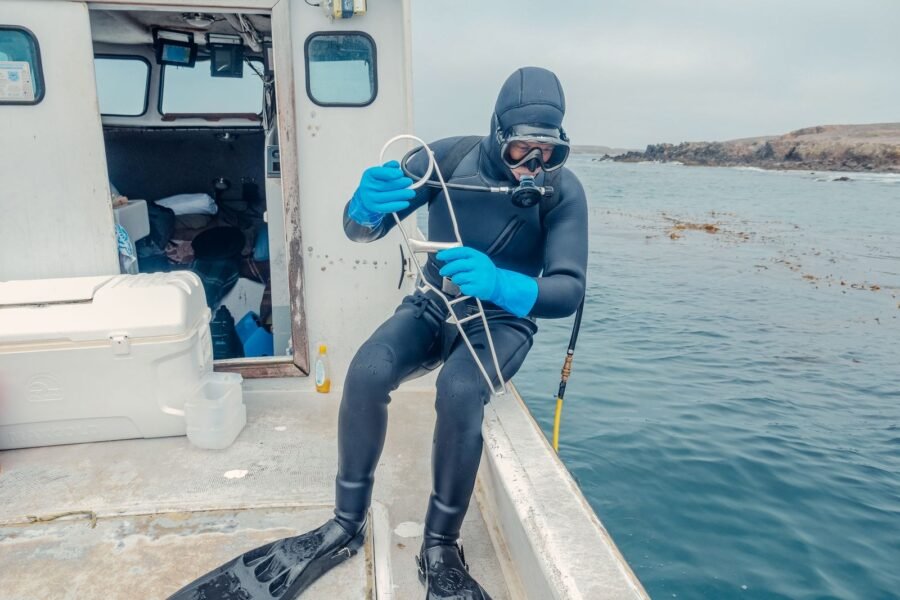
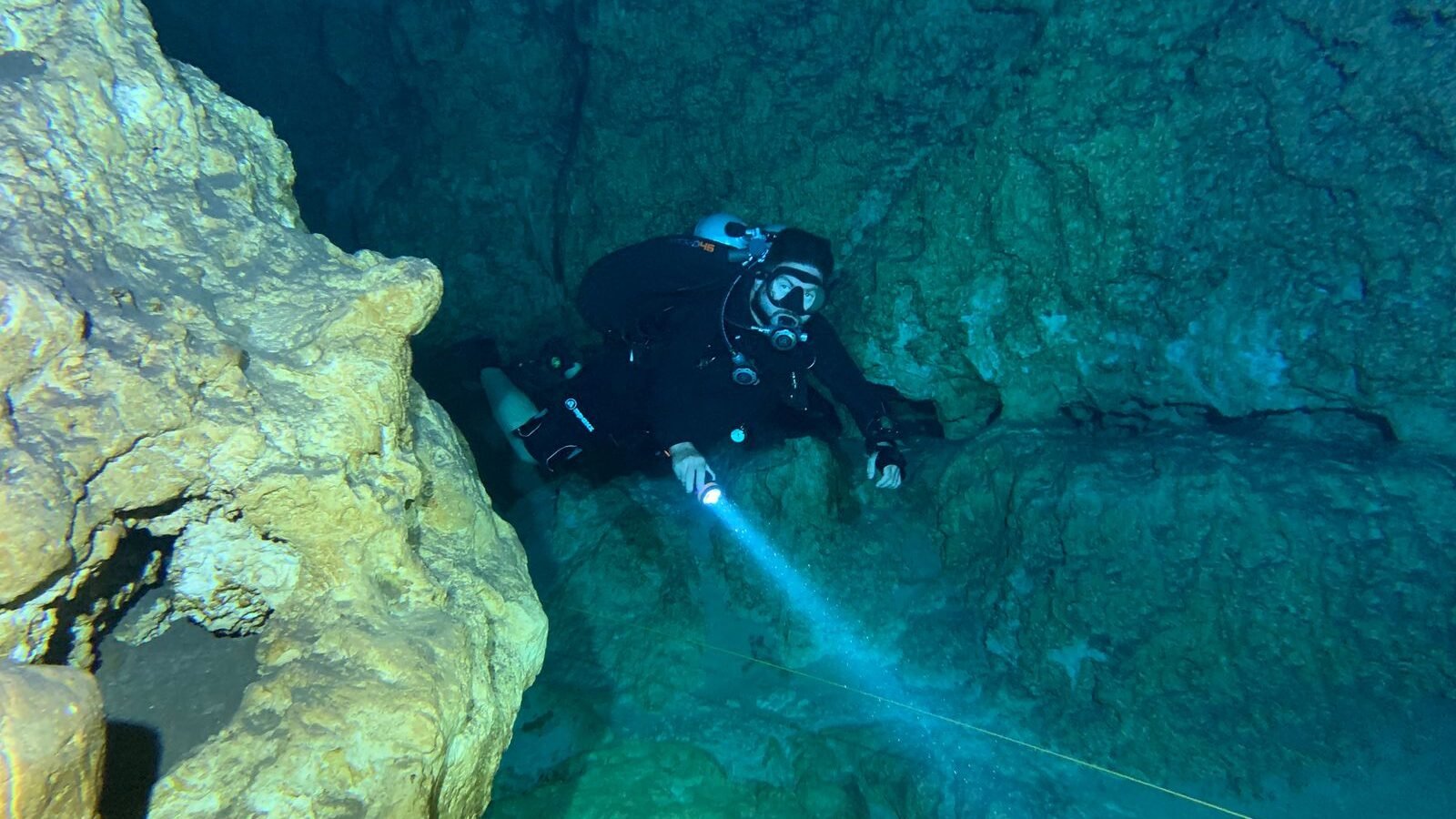
Photographs of twin cylinders and reels often stand in for technical diving. The reality is less photogenic: procedures that make failures manageable when a direct ascent to the surface is not immediately possible. That restriction can come from a physical ceiling, such as a cave or wreck, or from a decompression obligation.
Technical Diving International’s introductory training covers configuration, buoyancy control, propulsion, communication, situational awareness and planning. It does not, by itself, qualify a student as a cave diver or authorise dives with mandatory decompression. Each environment requires a specific training progression.
Mexico: caves make discipline visible
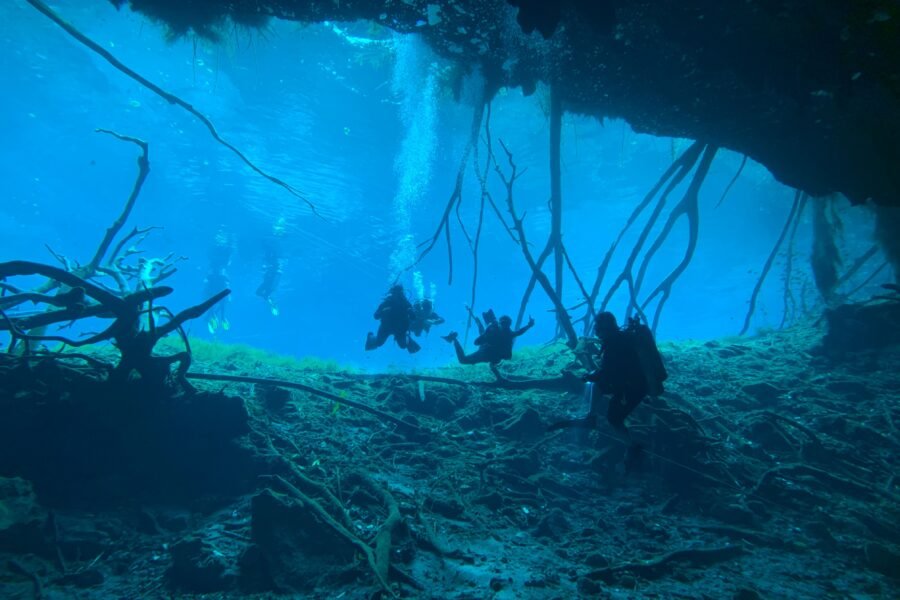
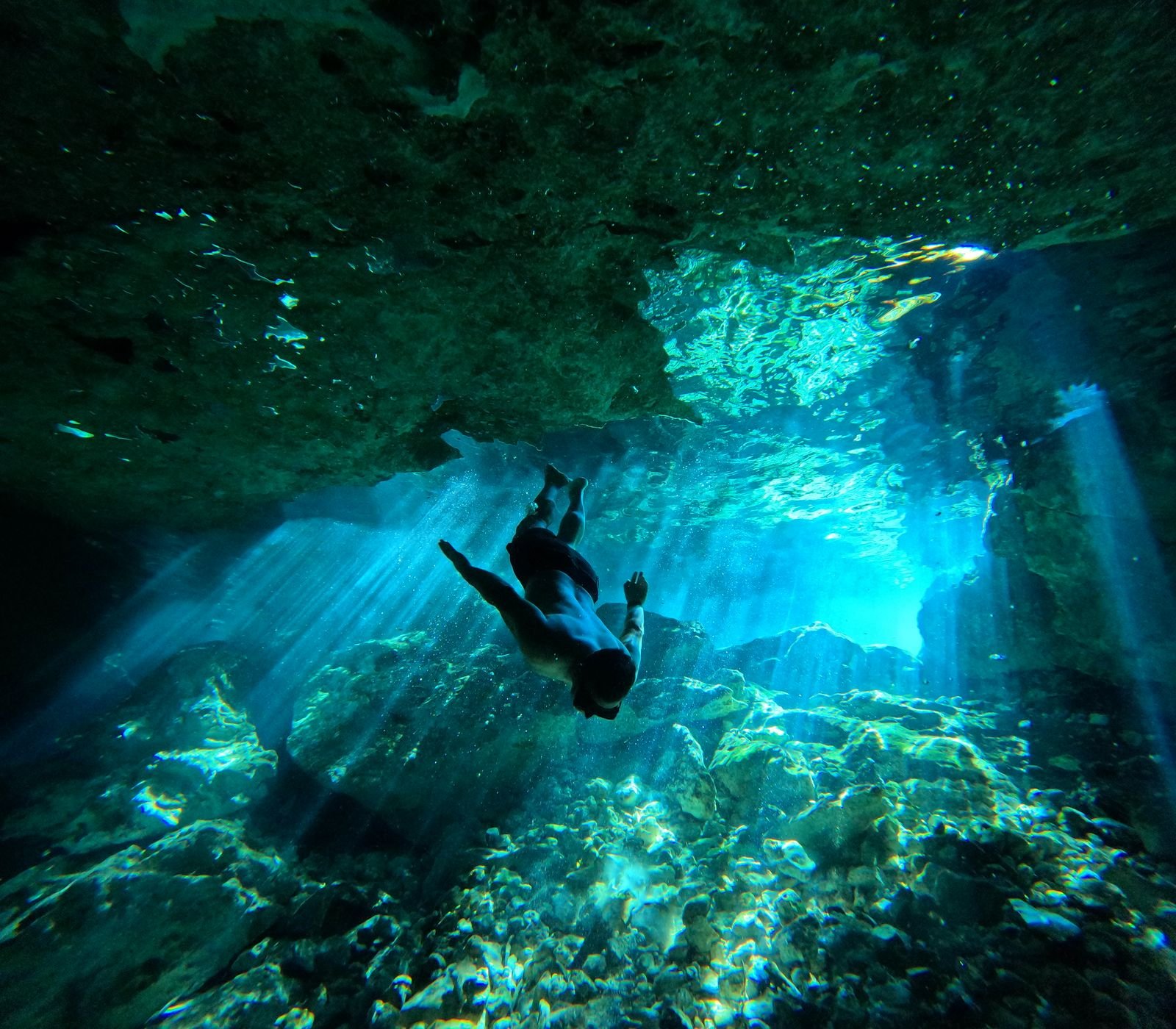
In the Yucatán Peninsula, cenote networks attract visitors from around the world. Their apparently calm water can be misleading: a cavern within the daylight zone is not the same as a fully overhead cave. Navigation restrictions, continuous guideline use, gas management and rescue options differ.
Cave training standards clearly separate levels and restrictions. TDI describes Intro to Cave as a stage requiring prior cavern training and imposes specific limits. Marketing a tourist cenote experience as cave exploration conceals safety-critical differences.

Gas management begins before the dive
A technical plan must address consumption, failure reserves, breathing gases appropriate to depth, oxygen exposure and a safe return. Carrying more cylinders cannot compensate for incorrect calculations or replace clear buddy communication. In an overhead environment, one gas-supply failure can become a team emergency.
Divers Alert Network stresses that redundancy and risk management belong together: a backup helps only if the diver knows when and how to use it. That applies to regulators, instruments, lights and gas-switch procedures, without assuming every dive requires an identical configuration.
Infrastructure across Latin America is uneven
The region offers very different environments: caves in Mexico, coastal wrecks, deep walls and restricted-access scientific projects. But destinations vary widely in the availability of specialised gases, support teams, compressor maintenance, emergency procedures and evacuation logistics.
The real cost of a technical operation does not end when cylinders are filled. It includes gas analysis, maintenance, permits, surface-team training and a realistic emergency response plan. An operator who leaves these costs out may advertise an attractive price, but customers are not necessarily buying a comparable service.

Experience does not confer immunity to error
In advanced training, instructors must evaluate skills under workload rather than merely count dives. Drills for lost visibility, gas sharing and line management aim to build reliable responses without turning practice into unnecessary risk. Training must remain supervised and within the course’s limits.
The development of Latin American technical diving should be judged by instruction quality, support systems, incident data and professional cooperation. Maximum depth remains an attention-grabbing number, but reveals little about operational reliability.
Sources
TDI, Introduction to Technical Diving · TDI, Intro to Cave Diver · DAN, risk and redundancy