A small village in Baja California Sur protects one of Mexico’s most remarkable marine ecosystems. November offers opportunities to discover it, but winds, currents and changing water temperatures are reminders that the Sea of Cortez does not have a single, uniform diving season.
Other languages: Español · English · Português
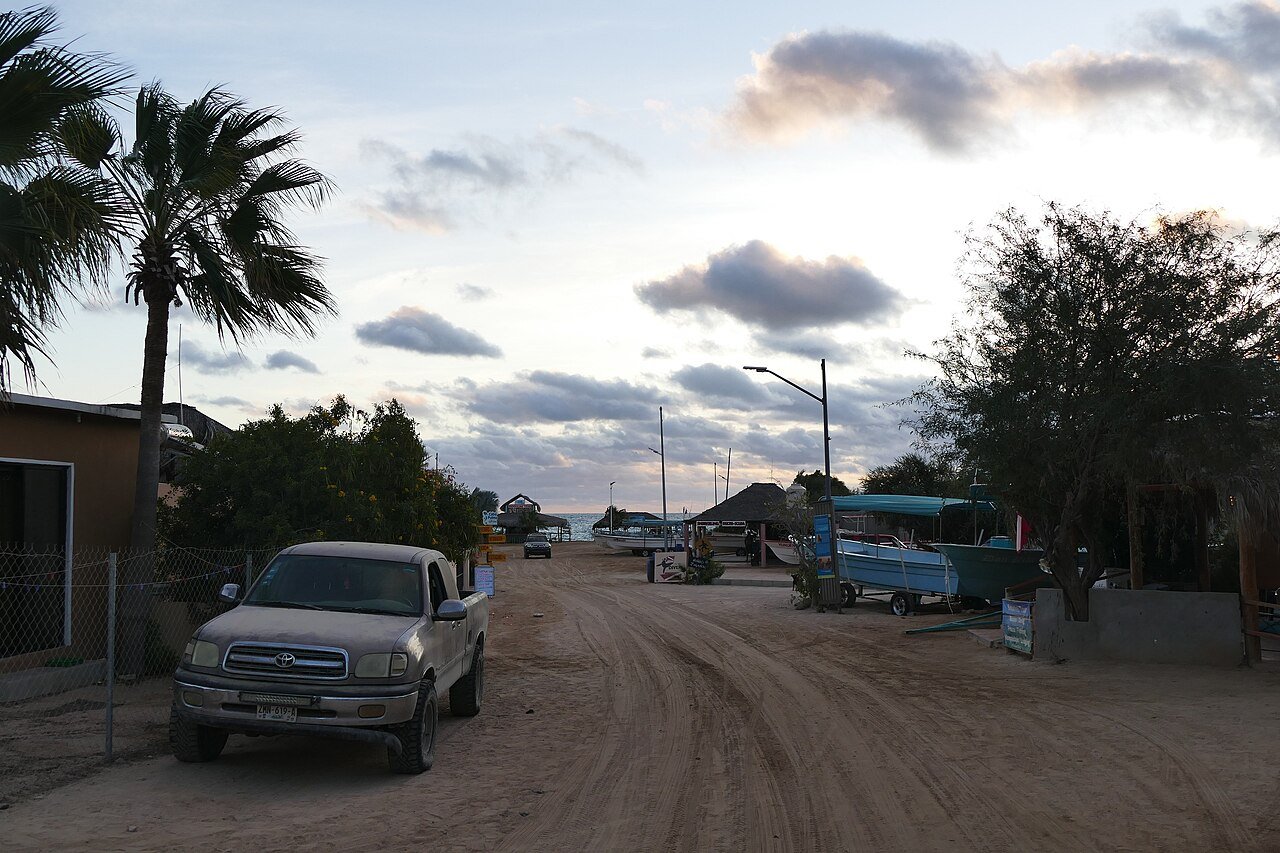
From the shore, Cabo Pulmo looks like a place dominated by the desert. The arid mountains of Baja California Sur reach almost to the sea, and the small village remains on a very different scale from the major tourist developments of Los Cabos. Yet just a few minutes by boat, the landscape changes completely.
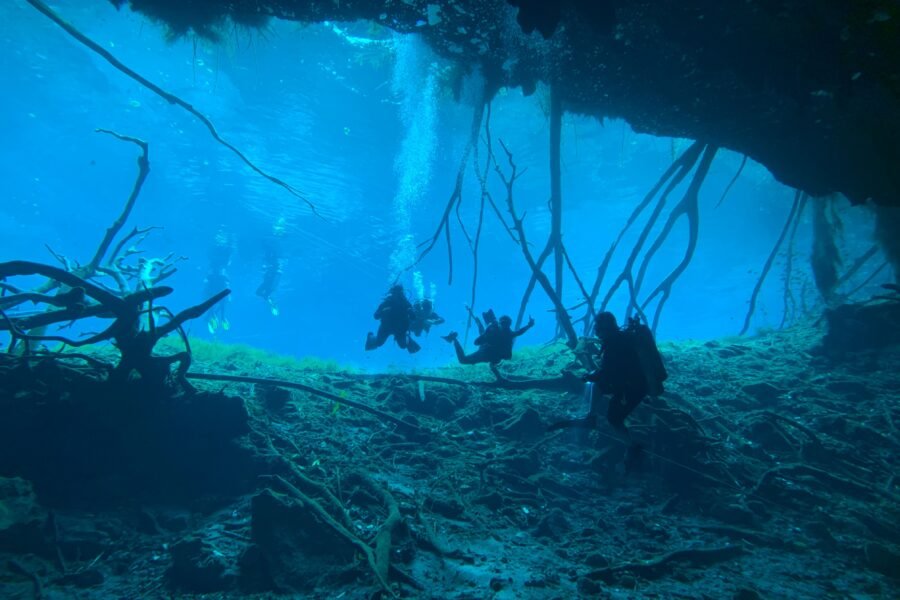
Below the surface are coral formations, sandy channels and fish moving among the rocks. At certain sites, jacks gather in schools so dense that they can fill much of a diver’s field of vision. There are also snappers, smaller reef groupers, larger groupers, rays, turtles and sharks. Not all of them appear on every dive, but the possibility of encountering different levels of the food chain on the same reef helps explain its appeal.
For more than three decades, Cabo Pulmo has shown that marine protection can bring about measurable changes. Its story also carries a warning: a reef teeming with fish is not necessarily free from threats. Ocean warming continues to affect corals, even inside a national park.
For anyone planning a trip in November, understanding both sides is just as important as choosing dive sites.

A different kind of reef within the gulf
Cabo Pulmo lies on the eastern coast of Baja California Sur, north of San José del Cabo. Its 7,111 protected hectares are mainly marine and contain the only coral reef system in the Gulf of California recognized as such by Mexico’s National Commission of Natural Protected Areas (Conanp).
It does not resemble the extensive Caribbean reefs familiar to many divers. Here, reef-building corals share the seabed with rocky substrates, slopes and sandy areas. Together, these features create shelter for small fish, feeding grounds and corridors used by larger species.
Characteristic species include angelfish, damselfish, snappers and various groupers. Some rays rest on the seabed, while other animals move near the reef structures. Sharks may be part of a dive, although their presence depends on the site, conditions and the natural behavior of each species.
The great schools of jacks have become one of Cabo Pulmo’s best-known images. These are extraordinary encounters, but they are not a scheduled show. Wildlife is under no obligation to remain where visitors expect to find it.
Nor is it wise to spend an entire dive searching for large animals. Coral formations harbor small fish, crustaceans and other invertebrates that reveal how the reef works. Much of the abundance visible in the water depends on processes operating on a far smaller scale.
The village that chose to protect its sea
For much of the twentieth century, fishing was central to the lives of Cabo Pulmo families. Over time, declining catches and reef deterioration began to threaten the future of that way of life.
Much of the response came from the community itself. Fishing families, researchers and organizations pushed for protection, which finally became a reality on June 6, 1995, when the Mexican government decreed the natural protected area.
The change was not simply a matter of drawing boundaries on a map. Protection of marine resources, enforcement and the gradual development of nature tourism transformed the economic relationship between the community and the reef.
One of the most frequently cited findings comes from research published in PLOS ONE in 2011. Scientists compared fish biomass recorded at Cabo Pulmo in 1999 and 2009. Over that period, it rose from approximately 0.75 to 4.24 metric tons per hectare: an increase of 463%.
The figure is remarkable, but it must be read correctly. It refers to a specific ten-year period. It does not mean biomass is still rising at that rate, nor does it by itself describe the park’s condition in 2026.
Researchers attributed the recovery to a combination of ecological and social factors, including community leadership and compliance with protective measures.
Today, diving and snorkeling are part of the local economy. Visitors generate income for guides, boat captains, accommodations and other businesses. That activity depends precisely on animals and their habitats remaining in good condition.
November: an opportunity, not a guarantee
November occupies an interesting place in Cabo Pulmo’s diving calendar. It follows the warmest months and coincides with the transition toward the period of prevailing northwesterly winds in the Gulf of California.
During autumn, favorable water temperatures and visibility are possible. The sea retains some of the heat accumulated over the summer, and on some days observing the reefs can be especially pleasant.
But November is not an entirely stable month.
Changes in wind can alter sea conditions, complicate navigation or restrict access to particular sites. Currents also vary, and a dive that is straightforward in calm conditions may demand greater experience when they strengthen.
Visibility deserves the same caution. It depends on suspended particles, swell, biological activity and other local processes. A photograph taken in exceptionally clear water does not necessarily represent what a visitor will encounter throughout the month.
Rather than choosing Cabo Pulmo based on an average temperature or visibility figure, it is therefore better to allow several possible diving days and remain flexible when selecting sites according to actual conditions.
Why diving conditions differ across the Sea of Cortez
One of the most common oversimplifications in tourism promotion is to speak of the Sea of Cortez as though it were a single destination with uniform conditions.
In reality, the Gulf of California stretches for approximately 1,500 kilometers and shows major differences in depth, currents, wind exposure and marine productivity.
In its central section, around the large islands, tides and underwater topography promote vigorous mixing of the water. This can produce temperatures very different from those found farther south.
The La Paz region and the Espíritu Santo archipelago have another configuration. Their islands, channels and shores create some relatively sheltered areas and others exposed to winds and currents. Temperature and visibility can be favorable in autumn, but navigation conditions depend on the orientation of each site.
Cabo Pulmo, meanwhile, lies much farther south, close to the entrance to the gulf and influenced by its own oceanographic conditions. Its coral reef and sandy areas provide an experience distinct from the rocky landscapes prevailing at many other dive sites in the region.
November is also a transition month for the processes distributing nutrients and heat throughout the gulf. Winds, upwelling of deep water and tidal mixing do not operate in the same way everywhere.
This helps explain why seasonal advice that holds true for Cabo Pulmo cannot automatically be applied to Loreto, La Paz or Bahía de los Ángeles.
Recovery has its limits, too
Cabo Pulmo’s success is often presented through its large concentrations of fish. But behind that image of abundance lies a serious concern: coral health.
Exceptionally high temperatures recorded during 2023 triggered a bleaching event that affected reefs in the southern Gulf of California.
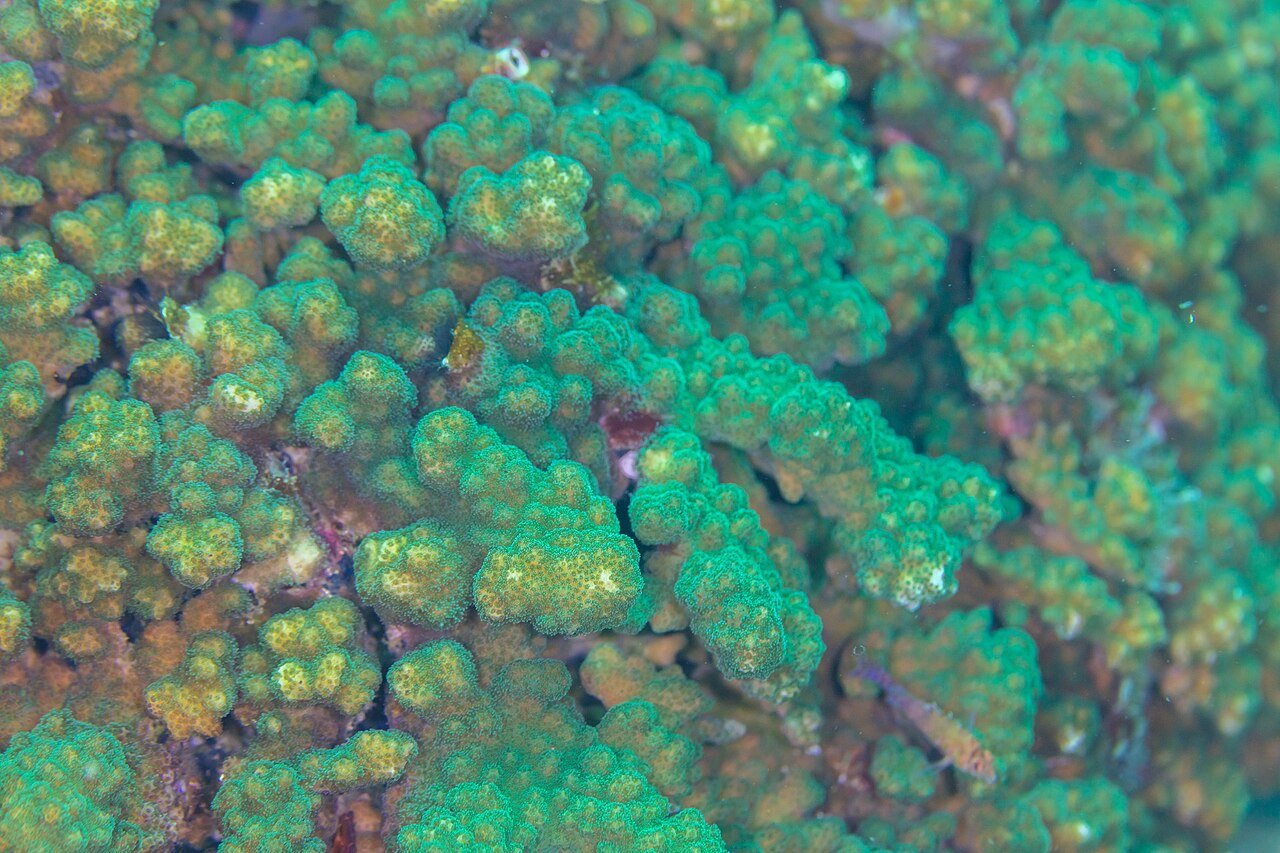
Research by specialists at the Autonomous University of Baja California Sur documented significant damage to corals at Cabo Pulmo and in the Espíritu Santo archipelago. Bleaching does not necessarily mean the immediate death of a colony, but prolonged exposure to heat stress can cause tissue loss and mortality.
In August 2026, researcher Héctor Reyes Bonilla told Causa Natura Media that Cabo Pulmo had lost approximately one-third of its coral cover during the 2023 event. Subsequent monitoring showed gradual recovery, although the reef had not yet regained its previous condition.
This information changes how the place should be understood. Fisheries protection made it possible for fish populations to recover, but it cannot, on its own, stop the ocean from warming.
Local conservation remains essential. Preventing physical damage, managing recreational activities and maintaining surveillance give the ecosystem a better chance of recovering. However, the future health of corals also depends on climatic processes extending beyond the park’s boundaries.
Diving in a protected park means following different rules
In Cabo Pulmo, the visitor experience is tied to specific measures designed to reduce impacts on the ecosystem.
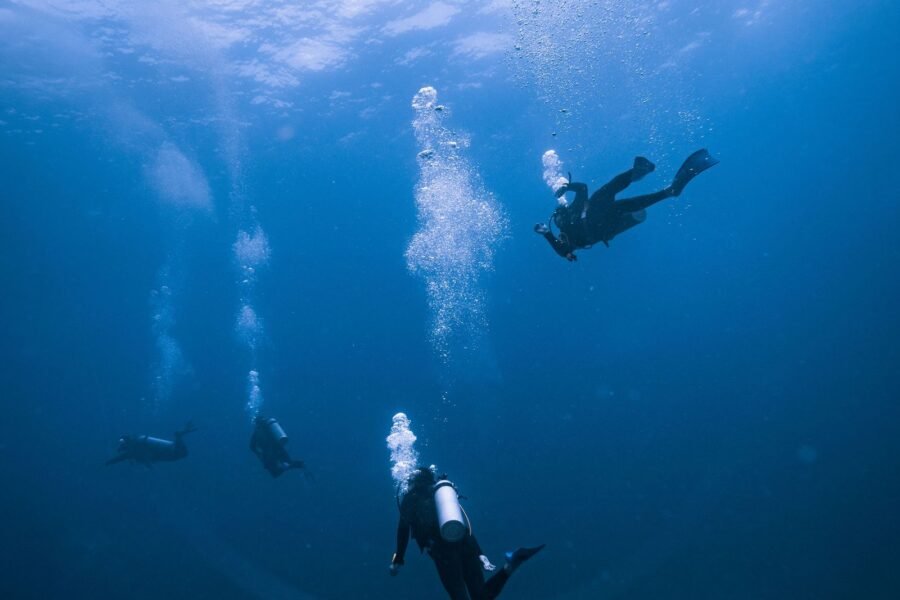
A responsible tourism guide developed with the involvement of Conanp and conservation organizations calls for authorized service providers, groups of no more than six tourists per dive guide and a maximum of 50 minutes per dive. It also instructs divers to remain at least 2.5 meters away from rocky and coral formations.
These rules address real problems. A fin striking coral, a photographer leaning on the reef to stabilize themselves or a boat operating without respecting designated areas can all cause preventable damage.
Dive operations also take account of different zones and levels of difficulty. Not all sites are suitable for every visitor; selection must consider certification, experience, environmental conditions and current regulations.
For local operators, protecting the park is not a secondary concern. It is part of sustaining an economic activity that depends directly on reef health.
Cabo Pulmo is worth visiting both for what can be seen underwater and for the story of the people who made its recovery possible. November offers an interesting opportunity to experience it, provided visitors understand that they are entering a protected ecosystem that remains subject to natural changes and vulnerable to threats.
At the end of a dive, the schools of fish may remain the most spectacular memory. What sustains them is less visible: years of protection, community decisions and a reef whose recovery still needs time.