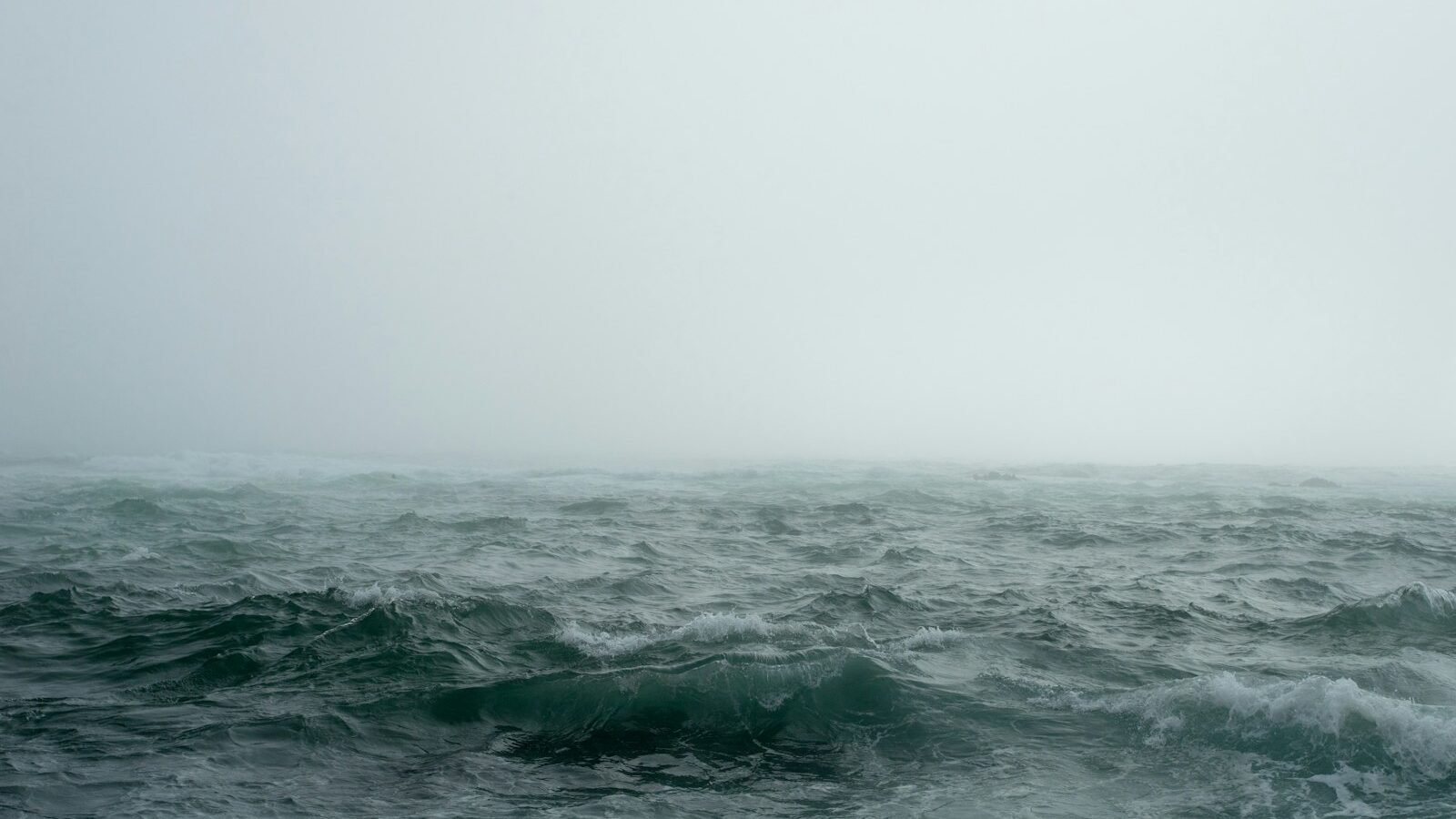
Cold fronts, shifting winds, navigation and cancellations: November calls for more than checking the forecast. For captains, instructors and dive operators, the real challenge is interpreting sea conditions and knowing when to modify or suspend a trip.
Other languages: Español · English · Português
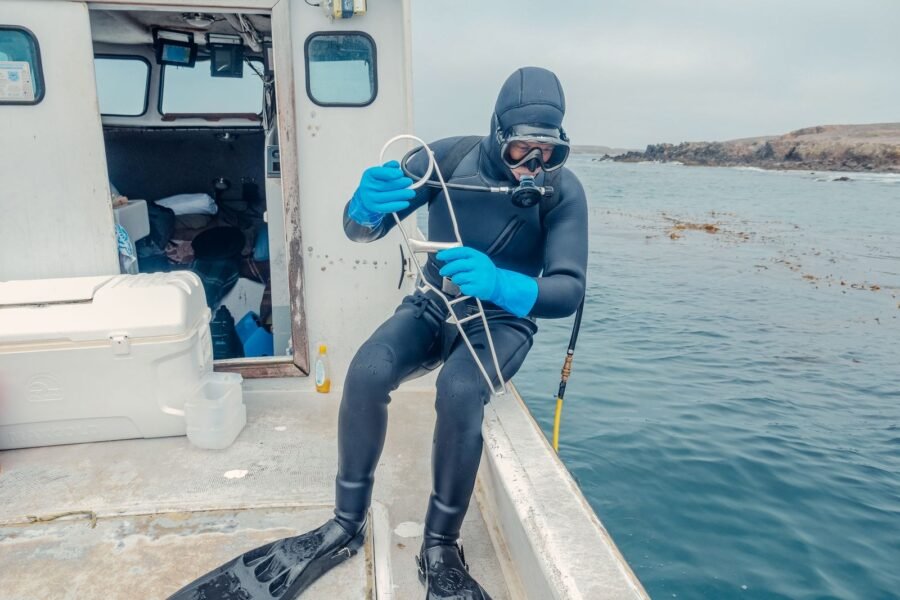
The equipment is ready, the tanks are filled and the guests are waiting at the dock. The sky is clear. Yet the captain has spent some time watching the sea and checking the forecast. The wind has shifted and the waves are breaking harder than the day before.
To someone on vacation, it may look like a perfect morning. To someone who works on the water every day, there are signs worth paying attention to.
November often marks the start of an important commercial period for many Caribbean dive destinations. International visitors return, tourism activity picks up and operators prepare for their busiest months.
But one detail is worth remembering: the official Atlantic hurricane season ends on November 30, not when the tourist season begins.
And while tropical cyclone activity gradually declines, the season’s first cold fronts can already change navigation conditions.
For a diving professional, understanding that transition is part of the job.
November: less tropical cyclone activity does not mean no risk
The Atlantic hurricane season officially runs from June 1 to November 30. It covers the Caribbean Sea, the Gulf of Mexico and the North Atlantic.
Although the period of greatest climatological activity generally falls between August and October, November can still bring tropical systems capable of affecting maritime operations.
On November 3, 2026, the U.S. National Hurricane Center (NHC) was reporting no active tropical cyclones in the Atlantic basin. That does not mean the remainder of the month is risk-free or that conditions are the same across the region.
A hurricane does not have to pass directly over a destination to disrupt its diving operations. Swell generated far away, rainbands, changes in wind and currents can affect coastal areas well beyond the center of the system.
For that reason, a forecast track should not be read simply as a line showing where a cyclone will make landfall. For navigation, what is happening around the track also matters.
Cold fronts: November’s other major factor
In the western Caribbean, especially along the Yucatán Peninsula, November begins to introduce another important weather phenomenon: cold fronts.
In Mexico, when these systems bring strong northerly winds, they are commonly described as Norte events.
The mechanism differs from that of a tropical cyclone. A colder air mass moves into a warmer region, changes the wind circulation and can bring rain, sudden changes in wind direction and higher seas.
At destinations such as Cozumel, Playa del Carmen, Cancún and the coast of Belize, these changes can determine which areas are exposed and which offer greater shelter.
Conditions are not identical throughout the Caribbean. The Bahamas, Cuba, the Lesser Antilles, Jamaica, Colombia and Panama have different coastline configurations and exposure patterns.
Even on the same island, one coast may have difficult conditions while another remains relatively sheltered.
This matters for operators: a regional forecast helps anticipate problems, but the decision to dive must be based on actual conditions at the site and along the route needed to reach it.
A dive center operating on a sheltered coast may be able to continue certain activities while another, only a few kilometers away and exposed to the direction of the swell, has to suspend them.
That does not necessarily mean one is more cautious than the other. It means the operating conditions are different.
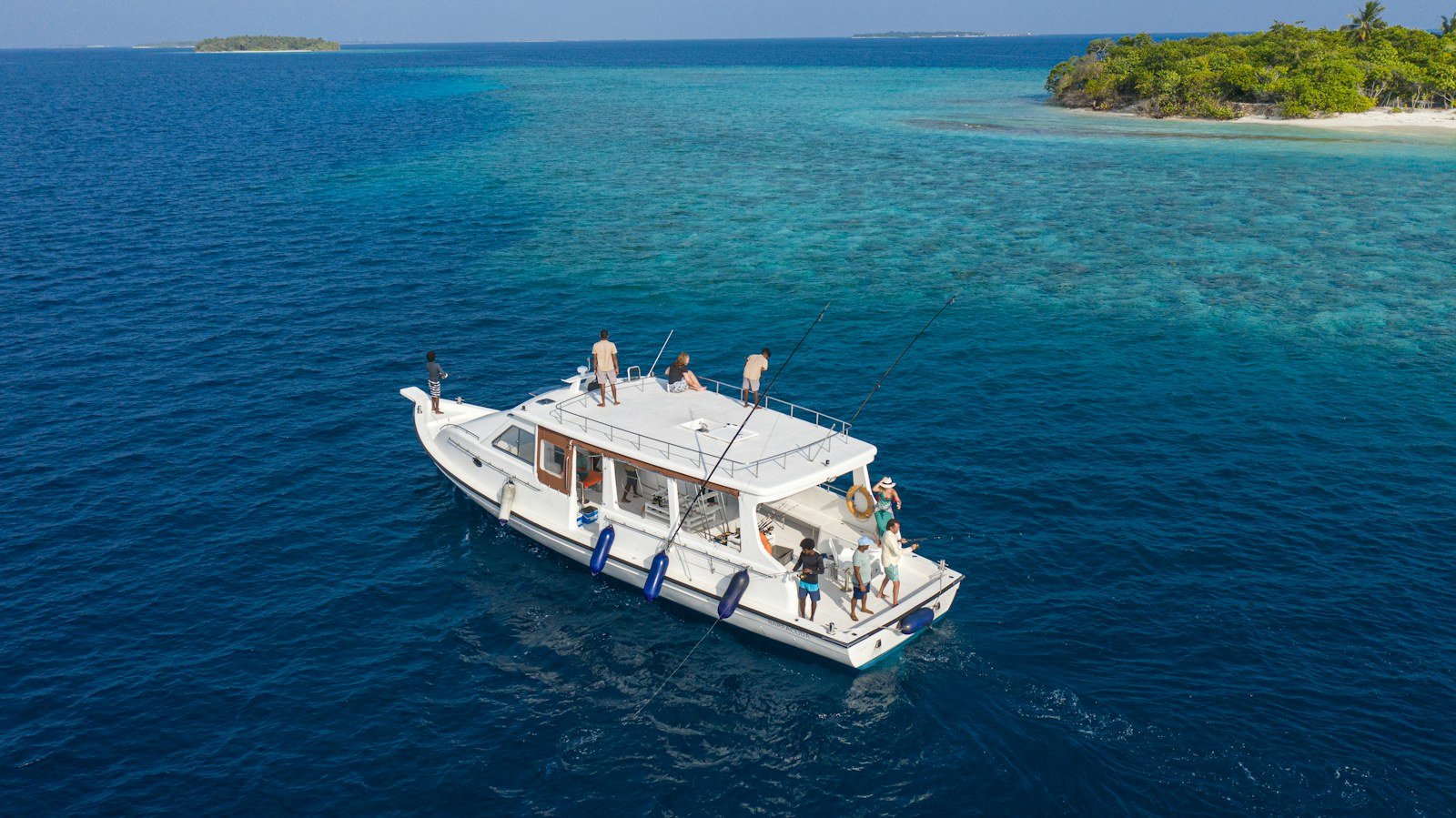
Wind speed in knots does not tell the whole story
Among marine activity professionals, wind speed is often the main point of reference: ten, fifteen or twenty knots.
It is necessary information, but it is not enough.
Two days with similar wind speeds can produce completely different navigation conditions.
Wind direction, how long it has been blowing, gusts, wave height and the period between waves all directly affect how a vessel behaves.
Swell can also persist even after local winds have dropped.
For a dive boat, that creates very specific problems.
A passage that looks manageable from the dock can become uncomfortable or unsafe after leaving the shelter of the coast. A boarding ladder that is easy to use in calm water can become dangerous when the boat is moving sharply up and down.
The problem does not end when divers enter the water.
You also have to consider how they will get back on board.
Divers Alert Network (DAN) specifically highlights risks involving moving ladders, propellers, waves and diver recovery procedures.
It is equally important to understand how weather data is presented. When a marine forecast reports significant wave height, it means the average height of the highest one-third of waves; some individual waves can be considerably higher.
There is no universal wind speed that determines whether all dive operations are safe.
Operating limits must take into account the vessel’s characteristics, the area, the planned maneuvers, emergency procedures and the experience of everyone on board.

An open port does not mean it is safe to dive
This is probably one of the points that causes the most confusion among visitors.
In Mexico, Port Captaincies can impose navigation restrictions or port closures according to weather conditions and the classes of vessel affected.
An open port, however, is not a certification that every water activity can take place without risk.
A vessel may be legally permitted to depart and still face conditions unsuitable for conducting a recreational dive with a particular group of passengers.
The distinction is fundamental.
The maritime authority determines the legal navigation restrictions. The captain must assess the conditions for operating the vessel. Within their respective responsibilities, diving professionals must assess whether the proposed dive is appropriate for the group and the environment.
These decisions are related, but they are not interchangeable.
Permission to depart does not remove the need to assess the risks of the activity itself.
The decision should not be left until guests are already on board
Meteorology cannot always provide certainty, but it can help us prepare.
A professional operator needs a routine assessment procedure, not an improvised discussion in front of the guests.
The assessment begins before the day of operation, particularly when advisories mention tropical systems, fronts or swell.
The previous afternoon, operators should review marine forecasts and official alerts, identify possible changes during the activity window and consider alternatives.
Before departure, that information must be updated against local observations.
Four questions deserve particular attention:
- Navigation: do the forecast conditions allow a safe outbound and return passage for this vessel and its passengers?
- The dive site: do currents, waves and visibility allow the planned dive to be carried out?
- Recovery: will it be safe to locate and pick up every diver, even if conditions deteriorate?
- Response capability: are communications, equipment, personnel and an evacuation route adequate for an emergency?
An unfavorable answer can justify changing the activity, moving to another site, reducing the scope of the program or canceling the trip.
Once at sea, the assessment continues. A favorable forecast does not replace observing what is actually happening.
Decisions must also take account of who is participating.
A day that is manageable for an experienced team may be inappropriate for first-time divers, children or divers who struggle to function at the surface.
Canceling a trip is also part of professional operations
Few decisions are as commercially uncomfortable as canceling an activity that has already been sold.
A guest may have only one day of vacation available. The hotel expects the experience to go ahead. The company has organized staff, transportation and the boat.
The pressure is real, particularly during periods of high occupancy.
But that pressure does not change the sea conditions.
DAN emphasizes a basic safety principle: any diver can decide to call off a dive at any time, for any reason.
That decision should be communicated without pressure. It does not automatically determine the financial terms of a reservation, but it does draw a line between safety and the commercial relationship.
For operators, weather cancellation policies should be defined before payment is collected.
Visitors should know what happens if the authorities restrict navigation, if the operator suspends an activity for safety reasons, or if conditions require a change from the originally booked dive site.
Alternatives may include rescheduling, substitute activities or refunds, depending on the agreed terms and applicable law.
Communication matters too.
Saying that a trip has been canceled because of bad weather is not the same as explaining that forecast waves could make reboarding difficult and that the established safety criteria are not met.
A guest may still be disappointed. But a concrete explanation helps them understand that a professional assessment lies behind the decision.
Operations do not automatically resume when the weather improves
Clearer skies and lighter winds do not always mean the sea has returned to suitable conditions.
After a significant weather system, swell, currents and reduced visibility can persist.
Moorings, buoys, port facilities and access routes to dive sites may also need to be checked.
A strong storm can stir up sediment, carry debris and temporarily change conditions in an area.
Before resuming operations, it is therefore advisable to check current conditions and the state of relevant equipment and infrastructure.
If the port was closed, operators must also confirm that the applicable restrictions have been lifted.
Administrative reopening and the return of suitable diving conditions do not necessarily happen at the same time.
Which sources should a Caribbean professional check?
Those operating in this region should use official information, supported by local observations.
The National Hurricane Center (NHC) issues tropical cyclone advisories, formation outlooks and marine forecasts for the Caribbean and tropical Atlantic.
In Mexico, the National Meteorological Service (SMN) provides information on cold fronts, Norte events, cyclones and regional weather conditions.
The Mexican Navy (SEMAR) publishes information on the operating status of ports and maritime safety notices.
In other Caribbean countries, operators should consult national meteorological services, port authorities and the relevant competent agencies.
Commercial forecast apps can help compare models and visualize wind or swell, but they do not replace official advisories or restrictions issued by the authorities.
Nor do they replace local knowledge.
A crew familiar with changing currents, exposed locations and the usual behavior of its vessel has valuable information. That experience should complement meteorological data, not be used to dismiss it.
Experience also means knowing when not to go out
November can offer excellent diving across much of the Caribbean. Hurricane season does not mean the sea remains dangerous throughout the month, just as its official end does not guarantee calm conditions from December onward.
The professional’s job is precisely to tell one situation from the other.
For dive centers, the coming months will bring important commercial opportunities. They will also bring windy days, changing forecasts and difficult decisions in front of guests who are eager to get into the water.
Boats need maintenance. Equipment needs inspections. Divers need preparation.
Weather assessment deserves the same level of attention.
Because when conditions become difficult, an operator’s quality is measured not only by the sites they know or the experiences they can deliver.
It is also reflected in their ability to decide that, on that particular day, the boat should remain in port.