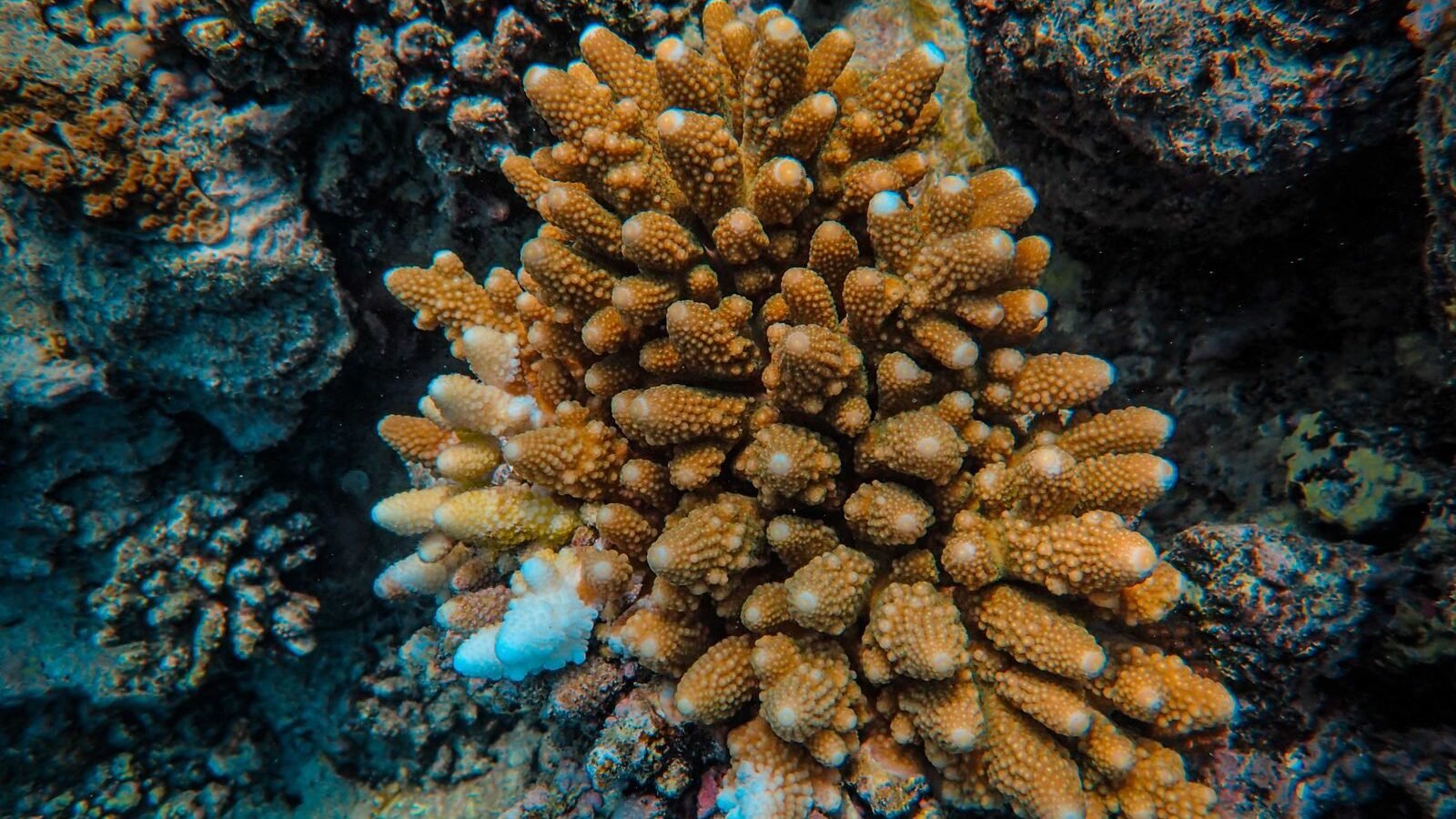
Corals are grown and transplanted across the Caribbean, but success cannot be measured by counting fragments placed on the seabed. The decisive questions are how many survive and whether the reef regains its functions.
A nursery is not a recovered reef
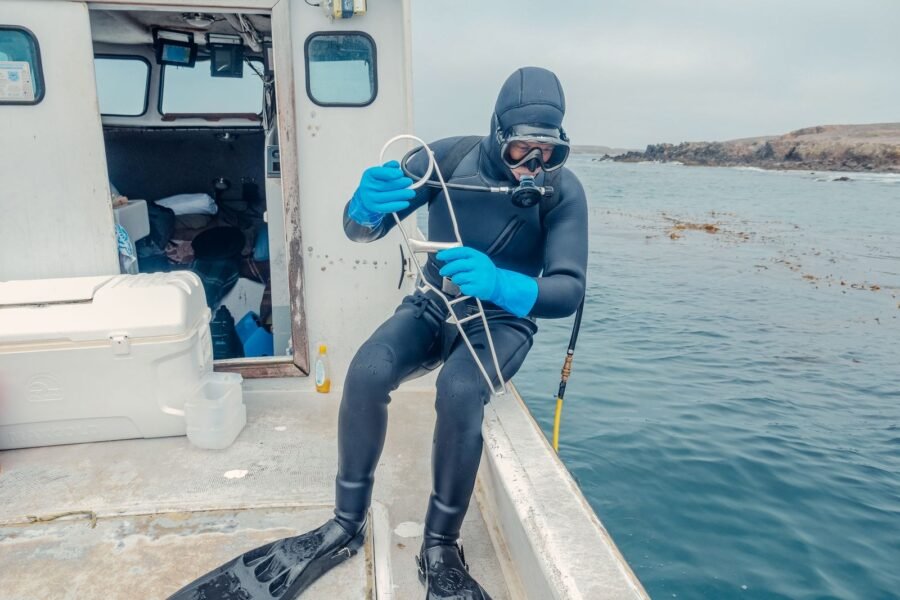
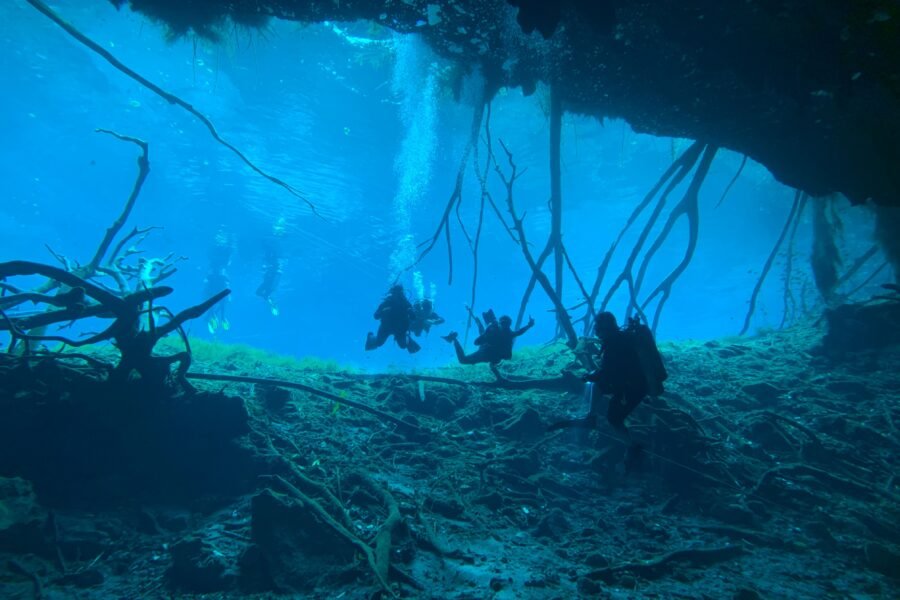
From the Mexican coast to the Caribbean islands, restoration often begins with a compelling scene: submerged structures, small coral fragments and divers carefully cleaning them. The image communicates commitment and hope. Yet it depicts an intervention, not a measure of ecological recovery.
The distinction matters. A coral can survive for weeks after transplantation and die later from heat, disease or sedimentation. Even when it survives, years may be needed to determine whether it grows, reproduces and contributes structure to the ecosystem. NOAA's monitoring guide recommends assessing condition, survival, growth and outcomes at different scales, rather than merely counting installed colonies.
Warming changes the calculation
The global bleaching episode that began in 2023 delivered a warning no local programme can ignore. In June 2026, NOAA reported that bleaching-level heat stress affected roughly 84.4% of the world's reef area between January 2023 and September 2025. That is a global exposure figure, not a mortality rate or a Caribbean-only estimate.
That forces managers to revisit where, when and which species they transplant. It also requires distinguishing emergency interventions, preservation of genotypes and recovery at landscape scale. The International Coral Reef Initiative warns that restoration in isolation is unlikely to sustain ecosystem services: it must be part of a broader management strategy.
The pressure that remains around the project
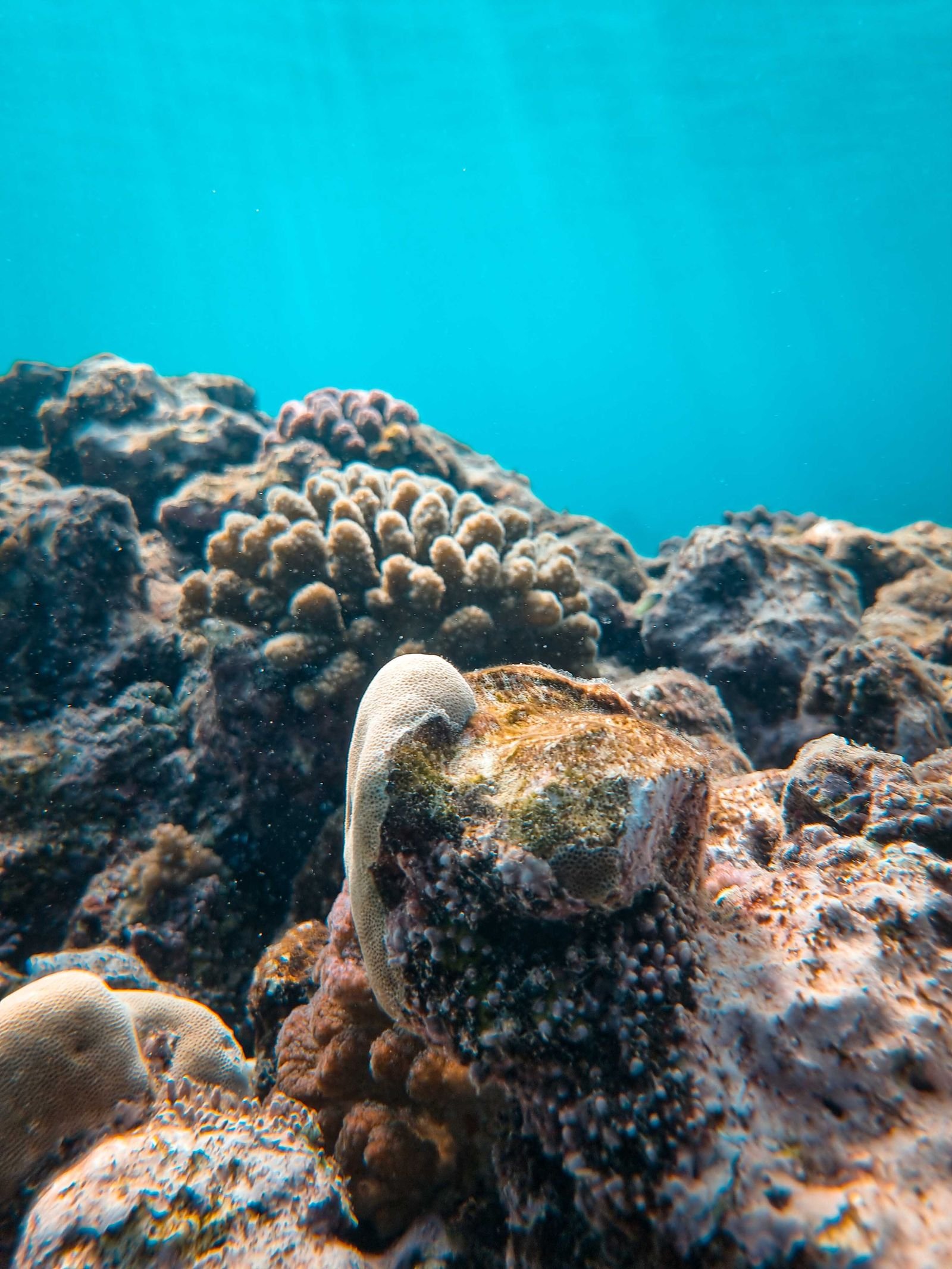
A diver securing a colony to a substrate can work with millimetre precision. Yet the same reef remains exposed if coastal construction sends sediment into the water, wastewater reaches the site, anchors are dropped carelessly or visitors strike coral. Dealing with these pressures may produce less attractive photographs than a nursery, but it can determine the intervention's fate.
That is why the Caribbean assessment covering 1970–2024, compiled by the Global Coral Reef Monitoring Network, matters to operators and public authorities. It examines long-term trends and shows why effective protection and local management matter, even amid climatic threats beyond the reach of municipal governments.
What projects should publish
If a programme announces thousands of transplanted corals, essential context is still missing. What was the starting coral cover? What proportion remains alive after six, twelve and twenty-four months? Are there untreated comparison colonies? Are losses reported during bleaching episodes? Without a monitoring design, results from different projects cannot be compared rigorously.
It also helps to know the cost per surviving colony and per restored unit of area, together with maintenance commitments. Such figures do not reduce conservation to an accounting exercise: they help assess which techniques work and where scarce resources are best allocated.
The role of dive tourism
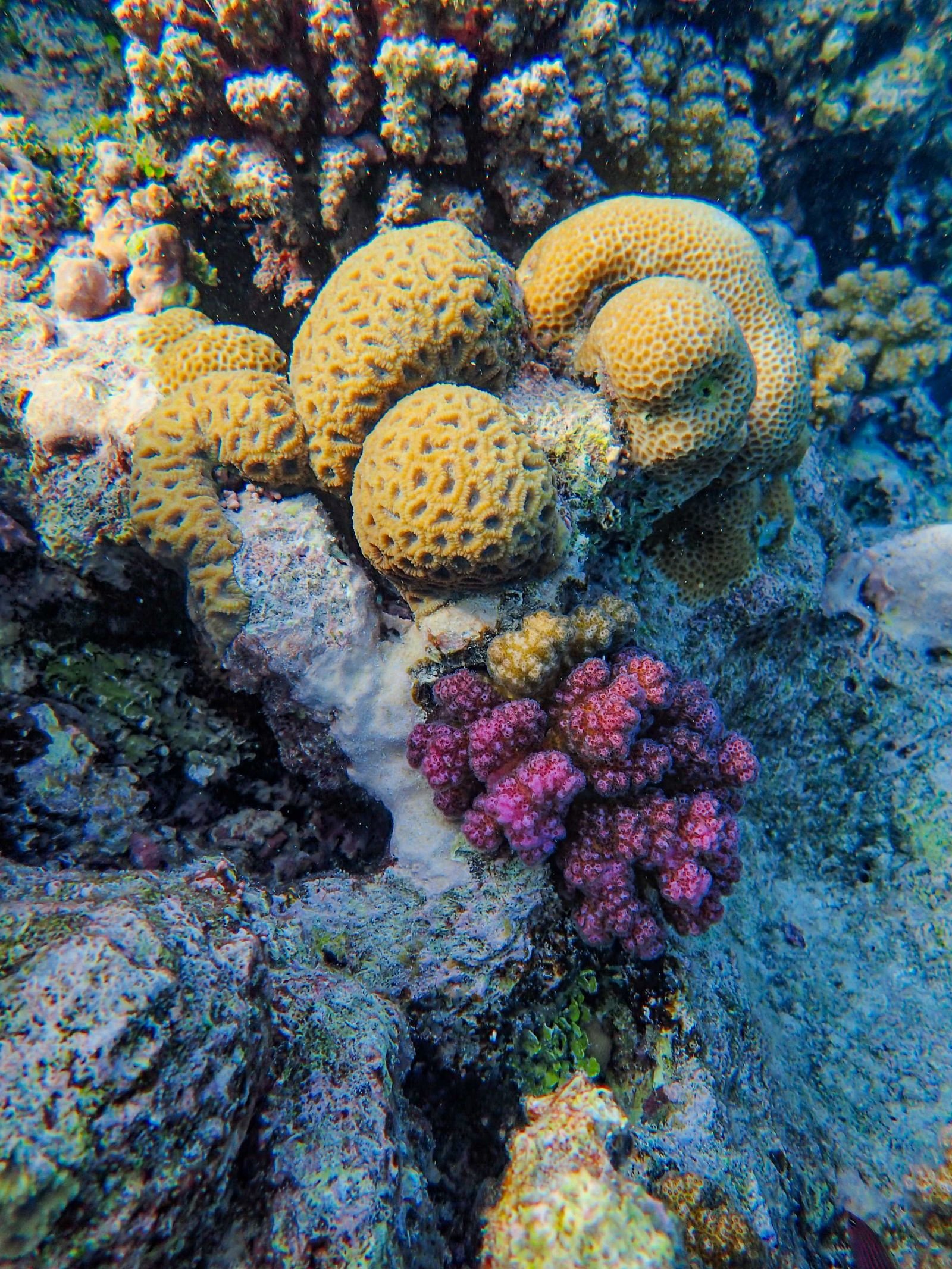
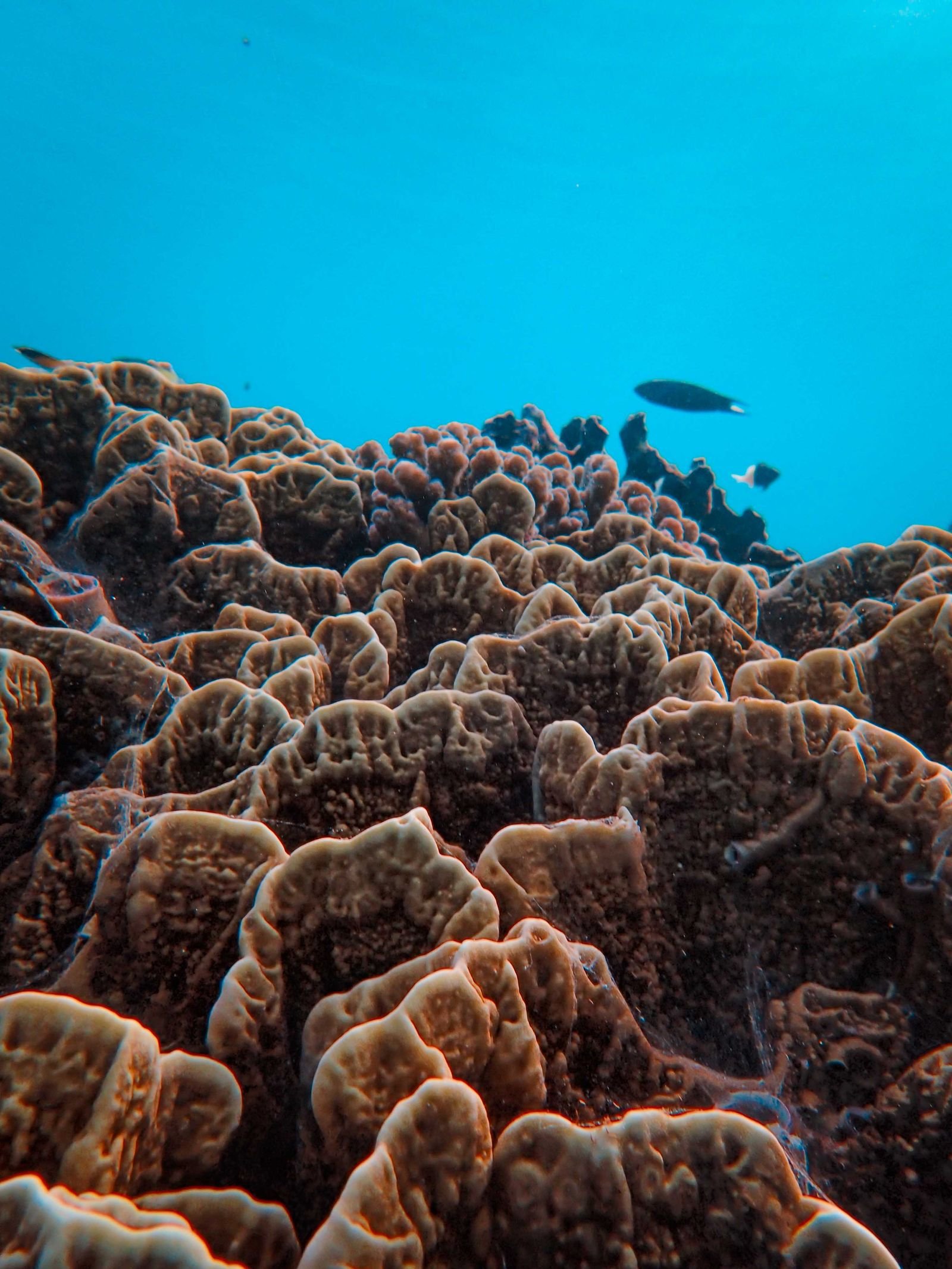
Dive centres can contribute boats, logistics, repeated observations and staff familiar with the sites throughout the year. That operational knowledge is valuable when connected to scientific protocols, permits and comparable records. It does not automatically turn a volunteer into a restoration specialist or replace technical oversight.
For Latin America's dive industry, the opportunity is not to sell a dive with a coral fragment in someone's hand. It is to fund meaningful monitoring, reduce operational impacts and report failures as well as progress. Restoration requires patient work; the transplant photograph captures only the beginning.
Sources and documents
GCRMN, Caribbean reef status 1970–2024 · NOAA, global bleaching status · ICRI, coral restoration guidelines · NOAA, restoration monitoring guide