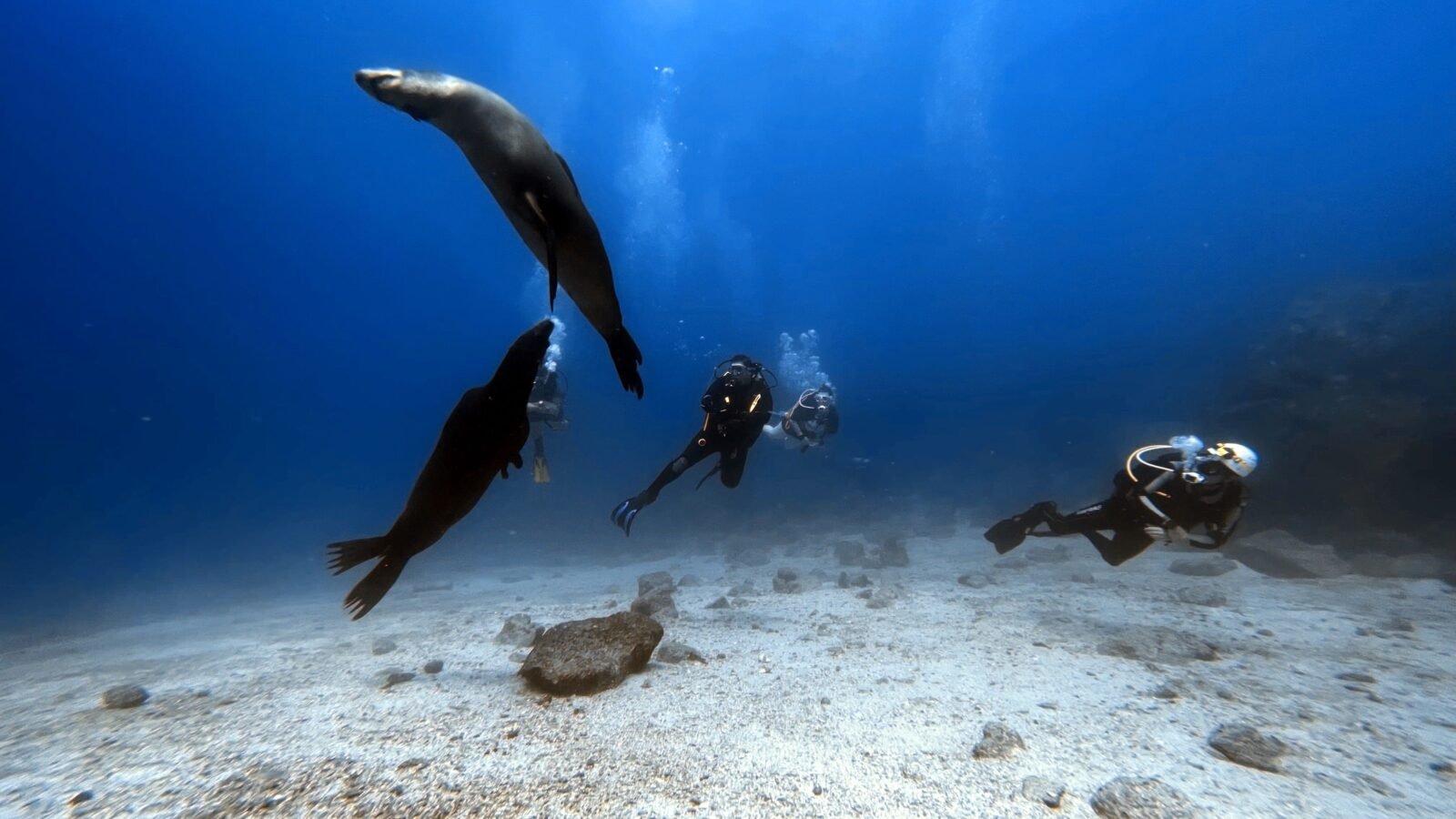
Underwater photography can bring coral reefs closer to millions of people. But documenting an ecosystem should not put what we want to show at risk. The difference begins with buoyancy, distance and the decisions made before pressing the shutter.
The scene seems simple. A diver finds a coral full of life, adjusts the camera and moves closer for a photograph. Yet an uncontrolled fin, a finger used for stability or equipment brushing against the bottom can leave a mark that will not appear in the final image.
Underwater photography plays an important role in communication, environmental education and, when part of methodologically designed programs, scientific documentation of ecosystems.
It also places additional demands on diving. Photographers must divide their attention among the environment, camera, dive buddies, depth, gas consumption and buoyancy control.
A good visual result does not justify compromising safety or altering the behavior of marine organisms.
Buoyancy Is the First Requirement
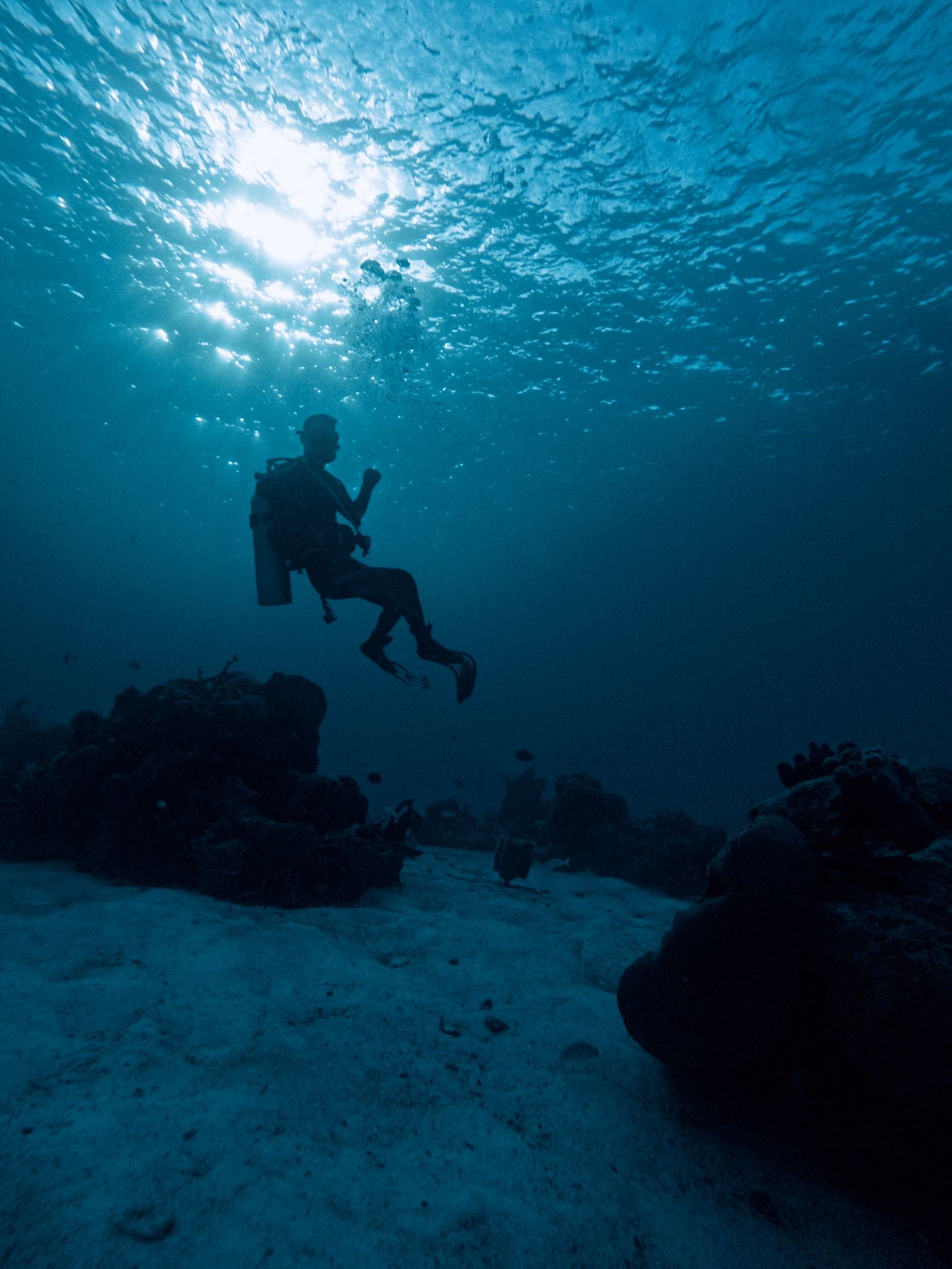
Before changing cameras or buying another lens, photographers must be able to stay stable without placing their hands, knees or fins on the reef.
Buoyancy control helps maintain appropriate distance and reduce accidental contact. Horizontal body position, proper weighting and controlled fin movements also matter.
When conditions do not allow an image to be made without touching the environment, the responsible decision is to forgo the shot.
This rule is particularly important near branching corals, sea fans, fragile organisms and fine-sediment bottoms.
Proximity should not be confused with photographic quality. Choosing an appropriate lens, composing carefully and being patient can produce better results without unnecessary close approaches.
The Camera Is Also Equipment That Must Be Controlled
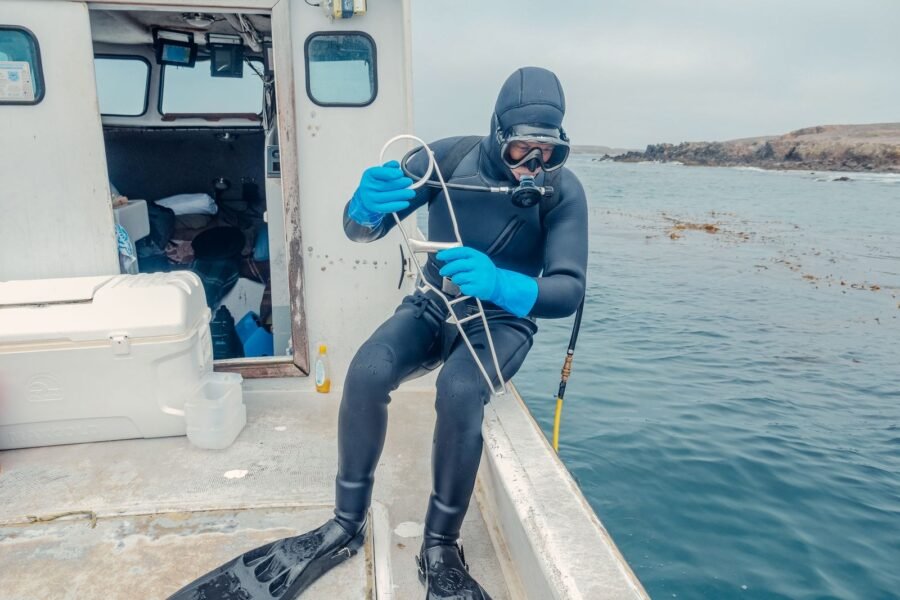
Housings, lighting arms, strobes, straps and accessories increase equipment bulk and can change a diver’s position.
An extended arm or loose cable can strike organisms even when the photographer keeps their body at a safe distance.
Accessories should be secured before the dive and kept within a controlled profile while moving.
Photographers also need to be able to respond to emergencies and use their instruments without the camera preventing essential safety procedures.
Planning begins at the surface: checking seals and batteries, configuring the camera, checking attachment points and speaking with the guide about site characteristics.
Respecting Wildlife Distance and Behavior
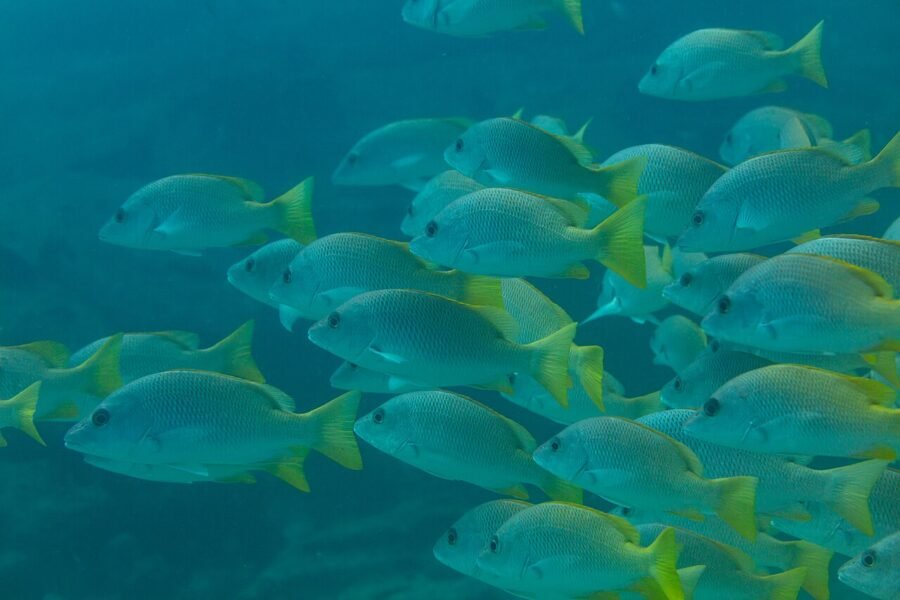
Finding a turtle, shark or unusual fish may be the most compelling moment of a dive.
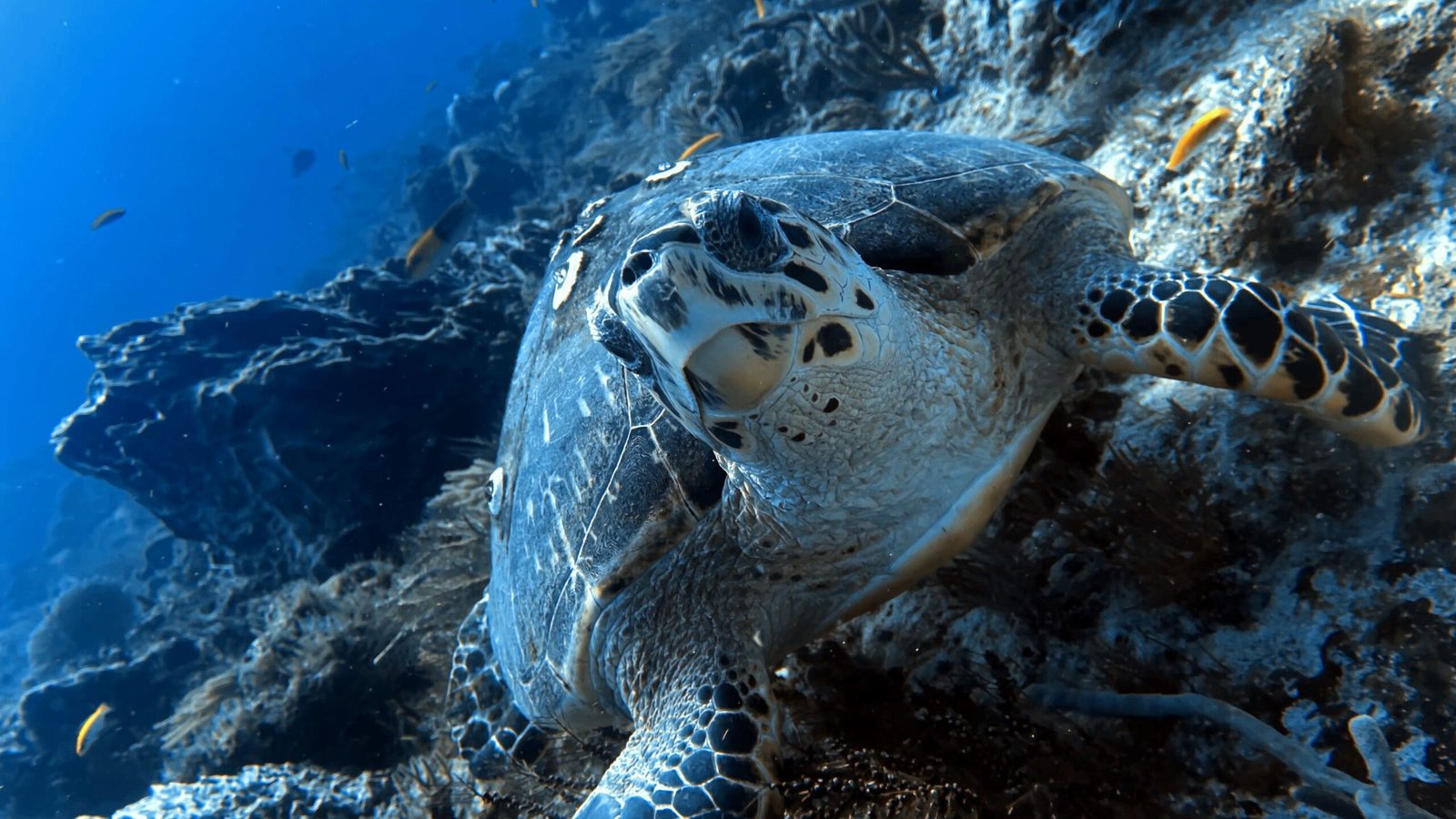
The search for a photograph should not lead to chasing, cornering, blocking an animal’s movement or artificially attracting it.
Protected-area rules may establish minimum distances, lighting restrictions and other specific conditions. They must always be followed.
Codes of conduct promoted by initiatives such as Green Fins also recommend avoiding contact with marine life and refraining from pursuing or handling organisms.
A photograph of wildlife does not by itself prove that an encounter was respectful. What matters is behavior throughout the approach.
Artificial Lighting, Strobes and Diving Conditions
Lighting can improve the colors and quality of an image, especially as water progressively absorbs certain wavelengths.
However, artificial lighting requires caution. It is not possible to claim that all species respond to the same lighting in the same way.
When photographing sensitive wildlife, operators should follow local rules, avoid persistent exposure and stop the activity if they observe signs of disturbance.
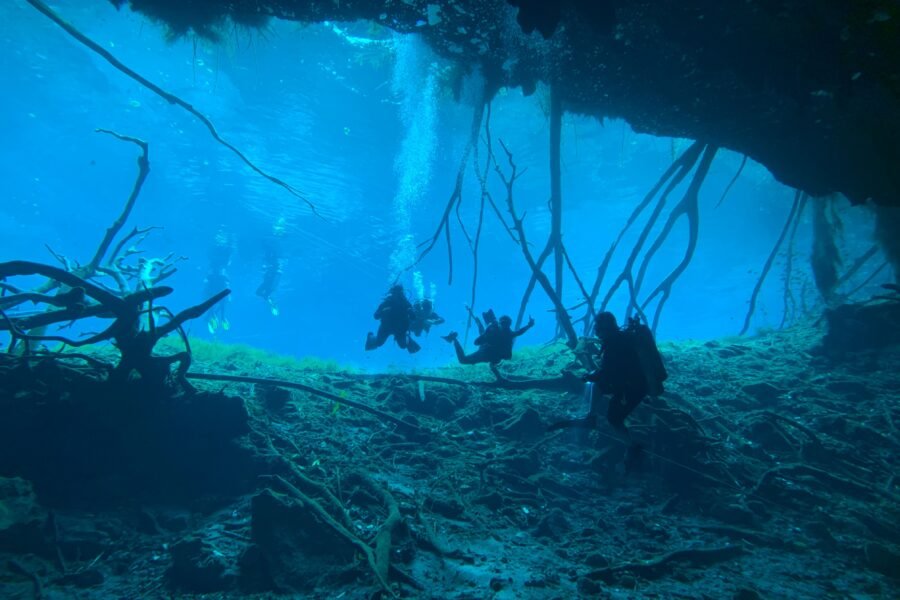
Caves, night dives and sites with special conditions may impose additional equipment, training and behavior requirements.
The pursuit of a visual effect must never take precedence over the site’s safety conditions.
Documenting a Reef Also Requires Context
An attractive photograph can show biodiversity, but it is not a substitute for a scientific assessment of ecosystem condition.
For a series of images to be useful as a record of change over time, information such as location, date, approximate depth, orientation, visibility and capture method needs to be considered.
When the purpose is to compare changes in coral cover, disease or damage, a consistent protocol is needed, preferably in collaboration with researchers or area managers.
Without such methodology, two photographs taken at different times may lead to mistaken interpretations because of differences in angle, scale or lighting.
Photography can provide valuable evidence. Interpreting it requires equally rigorous criteria.
The Role of Dive Centers and Guides
Operators can directly influence customer behavior.
A briefing should explain environmental rules before entering the water, including prohibitions on touching, feeding, collecting or disturbing wildlife and seabed habitats.
Guides can select appropriate routes, manage group sizes, warn about currents and prevent unnecessary concentrations of photographers around an organism.
They can also establish clear expectations: no photograph is worth damaging a reef or becoming dangerously separated from the group.
Photographers using bulky equipment may need additional preparation to operate without affecting other participants.
Environmental education works best when it becomes a daily procedure rather than a sentence repeated during the briefing.
Images That Raise Awareness Without Turning Nature into a Set
Underwater photographs can reveal a world that much of the population may never have the opportunity to visit.
They can document healthy ecosystems, restoration processes, threats and changes in coral reefs.
But their value also depends on how honestly they are produced and presented.
It is not appropriate to alter scenes to suggest animal behavior that did not occur, or to misleadingly conceal conditions relevant to an environmental interpretation.
Archive images should be identified as such when accompanying events or places different from those in the photographs.
The same transparency should apply to photographs used in tourism communication, conservation and scientific reporting.
Better Photography Means Less Interference
An underwater photographer’s responsibility begins before the first exposure: adequate preparation, buoyancy skills, site knowledge and respect for conservation rules.
It continues throughout the dive through attention to equipment, distance control and observation of wildlife behavior.
And it ends with an honest presentation of the images and the circumstances under which they were made.
Reefs already offer enough stories without needing to manipulate them.
The best photograph is not necessarily the one taken from the closest distance, but the one that shows the ecosystem and allows it to remain undisturbed after the visit.
This article is also available in: Español · Português