Galápagos, Malpelo, Cocos Island, Gorgona and Caño Island share an ocean, but not the same kind of dive trip. Choosing a route means distinguishing remote expeditions from more accessible outings and understanding access rules.
Distance is a safety variable
On a map, the oceanic islands of the eastern Pacific look like dots close to a coastline. In practice, hours or days of navigation separate some sites from services ashore. A dive exposed to currents, swell or changing visibility becomes more demanding when outside assistance is far away.
It makes little sense to assume Malpelo, Cocos and Galápagos are consecutive stops on a standard circuit. They fall under different jurisdictions, require different operators and permits, and are normally booked as separate expeditions. A useful comparison should examine alternatives rather than sell an imaginary route.
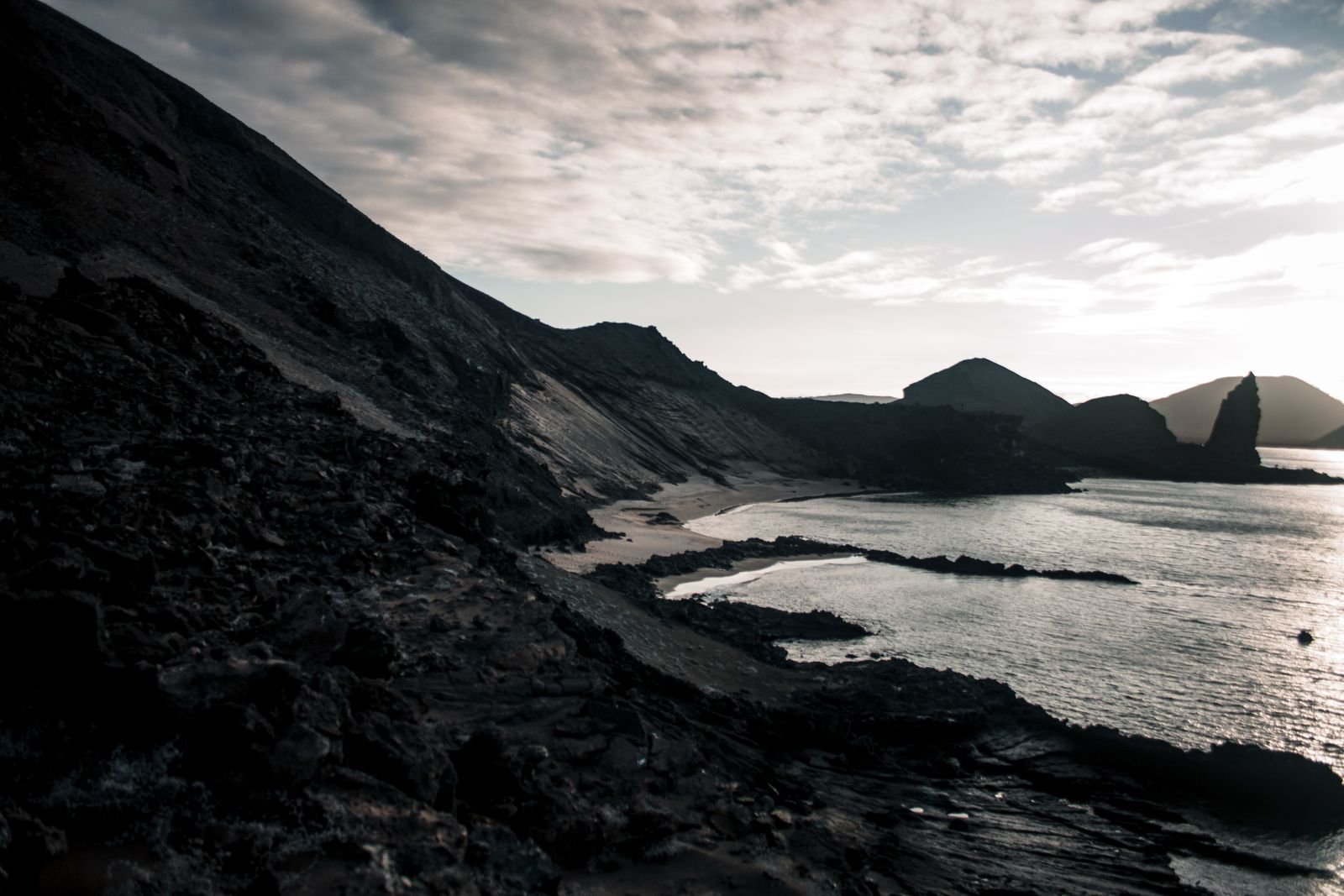
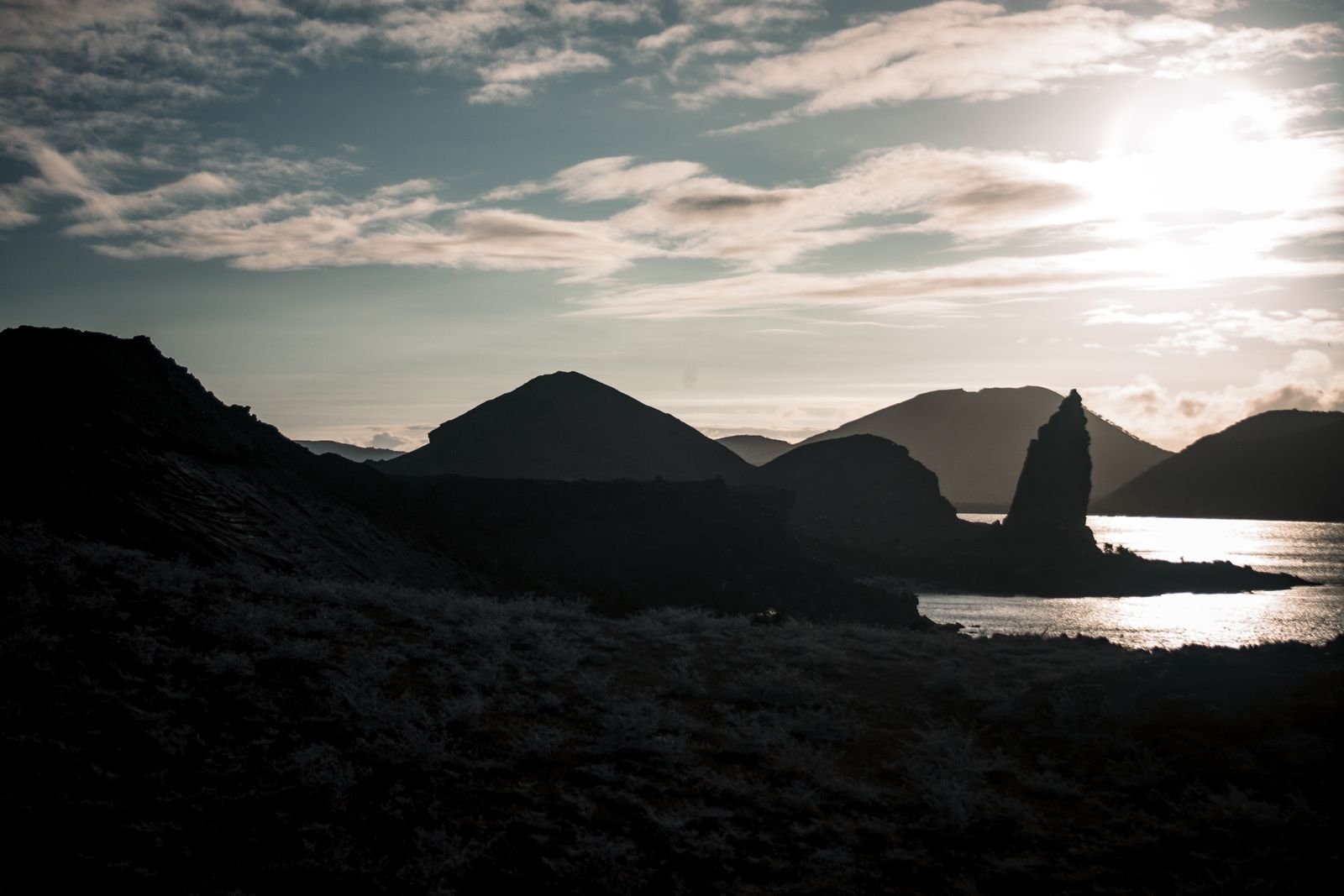
Galápagos, Ecuador: wildlife and regulated operations
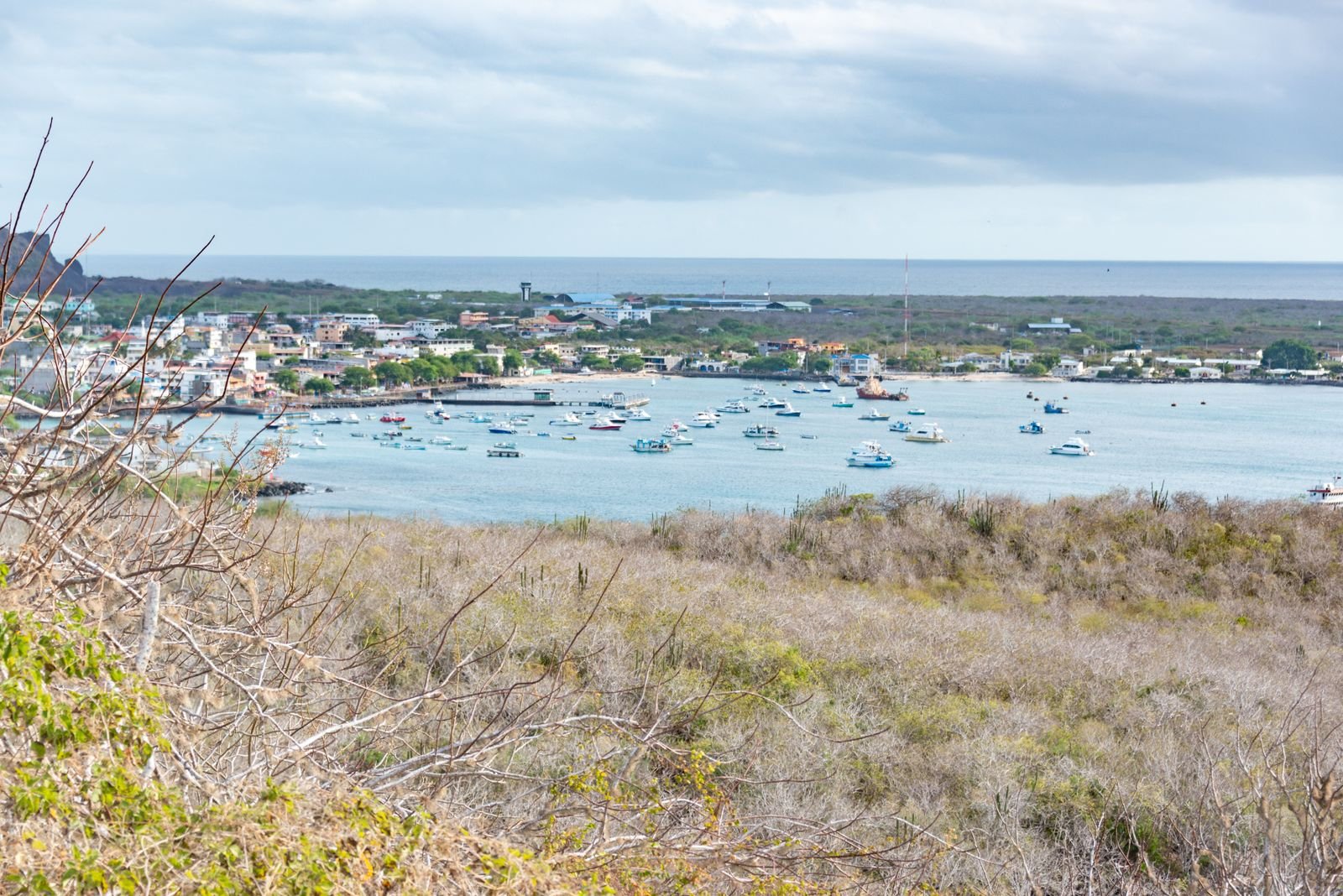
In Galápagos, diving takes place within a protected-area system where activities are regulated and supervised. Itineraries may include trips near inhabited islands or liveaboards to distant sites; they do not demand the same level of experience or logistics.
Galápagos National Park sets rules for visitors and operators. Trip selection must consider certification, recent experience, expected conditions and area restrictions, alongside the possibility of seeing sharks, turtles or sea lions. Wildlife encounters can never be guaranteed.
Malpelo, Colombia: an expedition for experienced divers
Malpelo is a wildlife sanctuary far from Colombia’s continental coast. The National Parks authority describes restricted access by authorised vessels and specific diving requirements. It is neither a first open-water diving destination nor an informal day trip from shore.
The official portal specifies at least 35 logged ocean dives for scuba activity, alongside other requirements that must be confirmed before booking. That administrative threshold is not a complete individual assessment: competence in currents, descents and group procedures still matters.
Cocos Island, Costa Rica: long-range planning
Cocos Island National Park is one of Costa Rica’s major oceanic diving destinations. Its remoteness makes the vessel, its crew and incident-response arrangements central to the tourism product. Access is subject to the National System of Conservation Areas’ rules and the relevant permits.
Booking ahead is an operational matter, not merely a commercial one. Travellers need to verify availability, navigation, conditions and entrance requirements. Comparing two offers also means examining emergency plans, guide experience and the number of effective dive days.
Gorgona and Caño: alternatives on a different travel scale
In Colombia, Gorgona combines island history with Pacific biodiversity. The environmental authority states that visits to the park are currently daytime only and that no overnight accommodation is available on the island. Itineraries must respect that restriction and verify authorised operators.
Off the Osa Peninsula, Caño Island offers another balance between overland travel and boat trips. SINAC manages the permitted diving and snorkelling areas. It is a different proposition from a long-range expedition to Cocos Island, even though both are in Costa Rica.
How to choose without turning the ocean into a trophy list
First establish the group’s actual experience and tolerance for long passages. Then review permits, availability, seasonal conditions, insurance, cancellation terms and medical-response capacity. The chance of seeing large marine animals is an attraction, not a contractual condition.
In the Latin American Pacific, the best trip is not necessarily the most remote. It is the one whose demands match divers’ preparation and whose operation respects the rules that help conserve the destination.
Sources
Colombia National Parks, Malpelo · Colombia National Parks, Gorgona · Costa Rica SINAC, Cocos Island · Costa Rica SINAC, Caño Island · Galápagos National Park