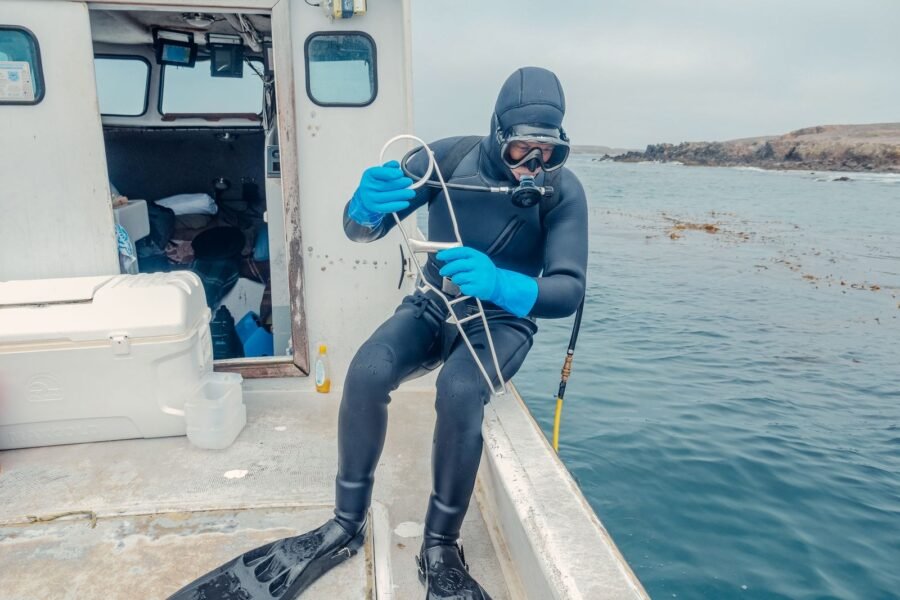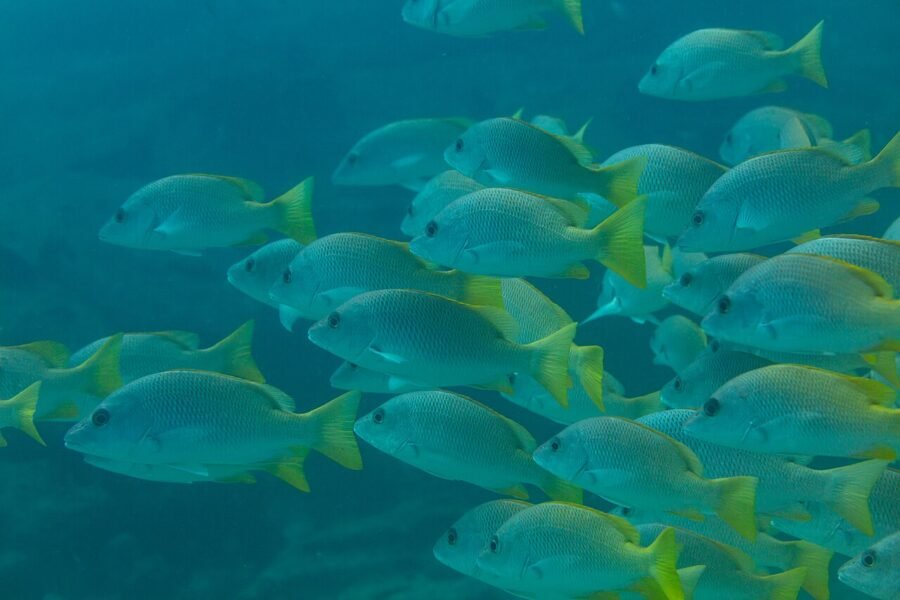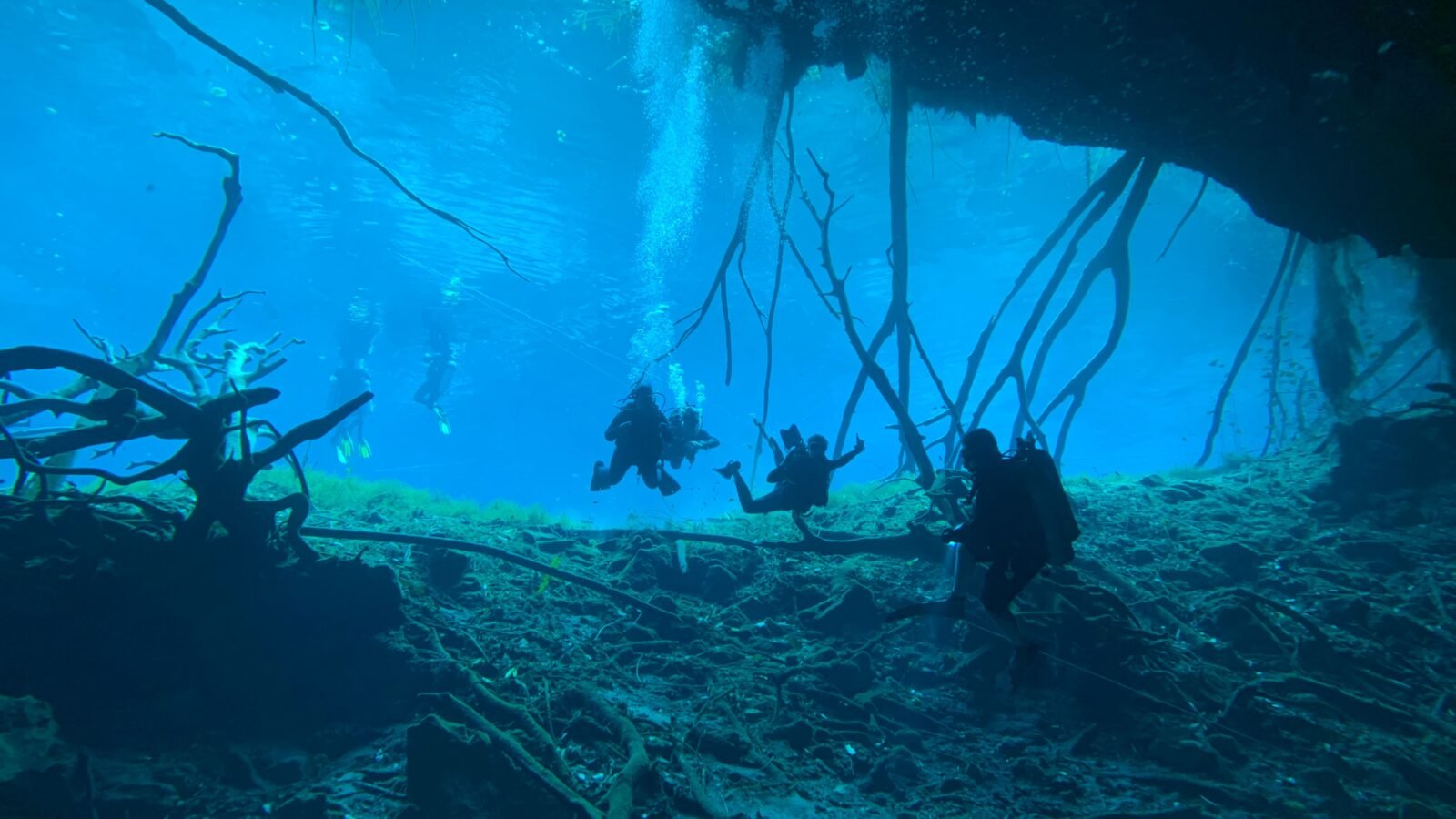
In Mexico, a single week of diving can begin over a Caribbean reef, continue beneath the blue light of a cenote, and end face to face with an oceanic manta in the Pacific. That variety helps explain why the country is increasingly prominent in international conversations about diving destinations for 2026. But it also calls for a closer look at growth: not every site can withstand the same pressure, and not every traveler is seeking the same experience.
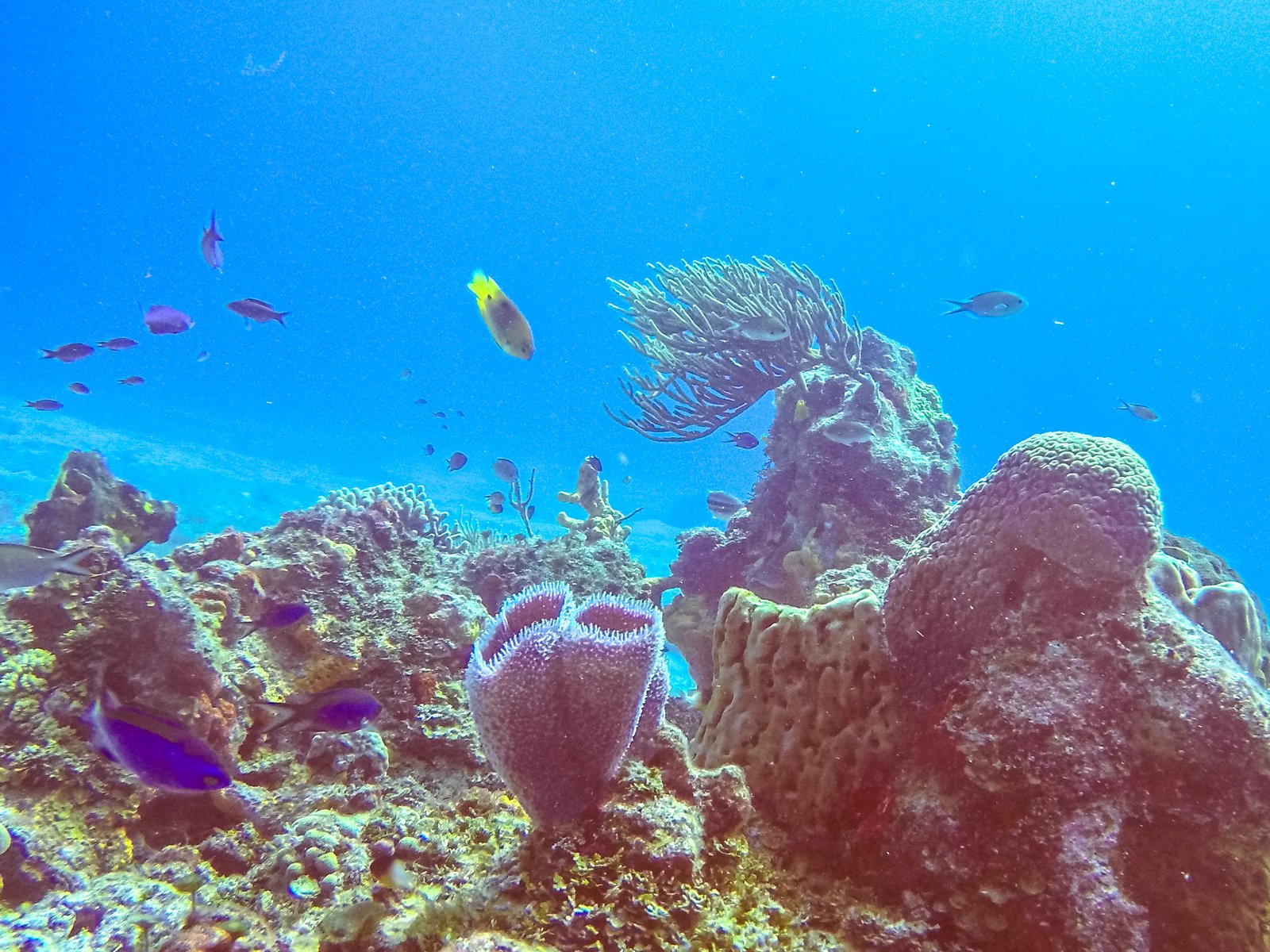
In Cozumel, the routine begins early. Tanks are loaded onto the boat, guides check the currents, visitors ask about Palancar, Colombia or Santa Rosa, and the day moves with a familiarity that only established destinations have. For many foreign divers, this is their introduction to Mexico: clear water, well-known reefs, daily operations and an underwater reputation built over decades.
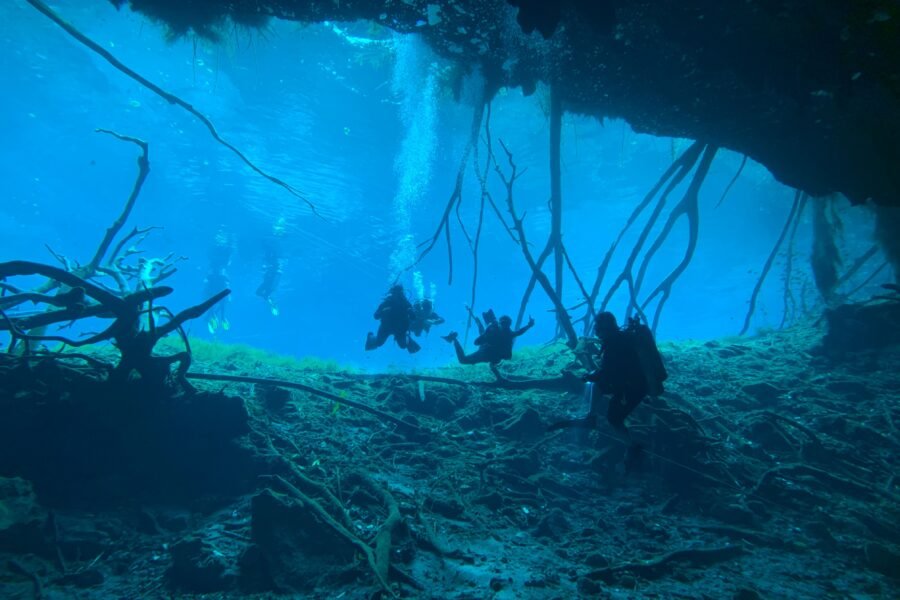
But reducing Mexico to Cozumel would miss the bigger picture. On the mainland, the Yucatán Peninsula’s cenotes offer something different: silence, filtered light, fresh water, haloclines and geology unlike almost anything else in recreational diving. Farther north, Cabo Pulmo tells another story: that of a community that found in conservation a way to sustain both the sea and the local economy. In the Pacific, Revillagigedo belongs to another world: long crossings, liveaboards, mantas, sharks and a sense of frontier far removed from beach tourism.
One country, several underwater experiences
Mexico’s strength is not concentrated in one place. It lies in the combination. One traveler can arrive in Cancún and end up taking a course; another comes for cenotes; another for bull sharks; another for Cozumel; another for Socorro. That diversity makes it possible to appeal to beginners, certified divers, photographers, technical divers, families and expedition divers.
Recent international mentions have not come out of nowhere. Scuba Diving Magazine has highlighted Mexico among readers’ favorite Caribbean and Atlantic destinations, including Cozumel, cenotes, Playa del Carmen and Isla Mujeres. Bluewater Dive Travel, meanwhile, has kept Socorro and Revillagigedo among the major names in pelagic diving worldwide. These are commercial rankings, certainly, but they are useful indicators: Mexico is part of the global conversation.
The point is not to boast about a ranking. It is to understand what it means. When a destination gains visibility, pressure also grows on operators, guides, parks, vessels, permits, hotels and communities. Recognition brings travelers. Travelers bring income. But they also mean heavier reef use, greater demand for instructors, more price competition and a greater risk of informal operations.
Cozumel, cenotes and the challenge of better explanations
Cozumel has an advantage few destinations achieve: the market already understands it. For a diver from the United States, Canada or Europe, its name evokes the Caribbean, currents, reefs and reliable operations. That clarity has considerable commercial value. But it can also breed complacency. If a destination sells itself on reputation alone, it risks forgetting that its real attraction is a living ecosystem.
Cenotes face another problem: fascination sometimes runs ahead of understanding. For visitors, the image is irresistible. For professionals, the distinction between cenote, cavern and cave diving is not a minor detail. It is a safety issue. Mexico has an advantage that cannot be replicated, but it needs to communicate it more precisely. Not every diver is ready for every cenote. Not every experience can be adequately explained by a photograph.
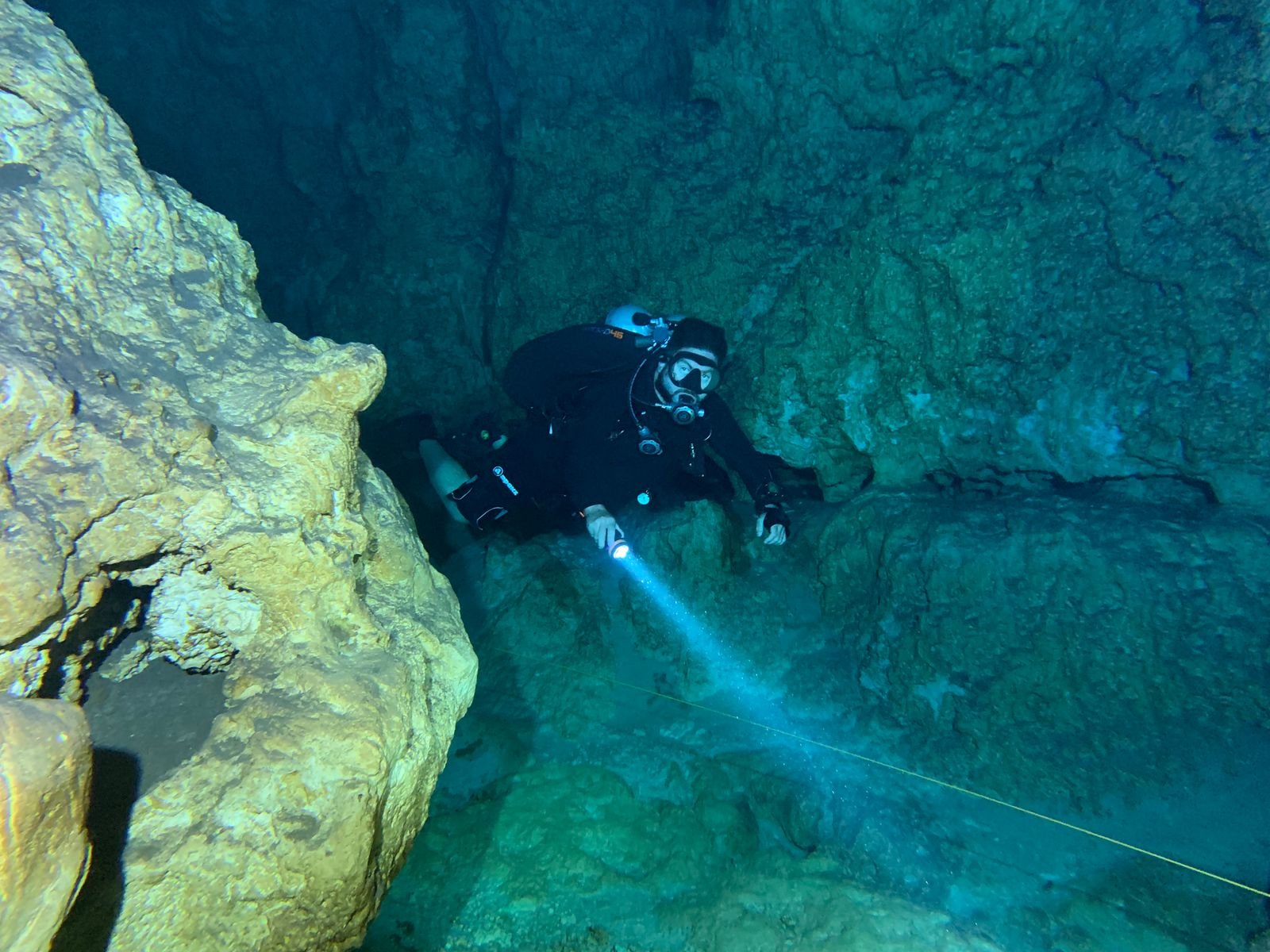
Handled well, the opportunity is enormous. Cenote diving can open the door to education, groundwater culture, the peninsula’s geology and a more serious conversation about aquifer protection. Handled badly, it becomes a cheap postcard: many visitors, little explanation and too much pressure on fragile places.
Mexico’s Pacific and the value of distance
Revillagigedo is not marketed as an easy getaway. That is part of its strength. Reaching it requires time, money, experience and commitment. The journey itself filters demand. Someone boarding a liveaboard bound for Socorro is not purchasing comfort; they are buying an encounter, uncertainty and the scale of the open ocean.
That kind of experience puts Mexico in a different category. The country competes not only through accessible reefs, but also through large marine animals, expeditions and advanced diving. For Latin America, this matters because it demonstrates that the region can offer high-value experiences rather than relying on sheer tourist volume.
The question is whether the rest of the operation can meet that standard. A remote destination needs serious regulation, prepared vessels, clear protocols, trained personnel, environmental monitoring and honest storytelling. Adventure cannot be the selling point if the operation relies on improvisation.
What Mexico stands to gain — and lose
Mexican tourism enters 2026 with a strong base. Official figures show growth in international visitor numbers and tourism spending. That creates a favorable setting for diving. But more tourism does not automatically translate into a stronger underwater industry.
Growth can encourage dive centers to professionalize, invest in equipment, improve their information, train better guides and charge appropriately. It can also produce the opposite: price wars, rushed courses, overcrowded boats, underpaid guides and reefs treated as background scenery.
That is the real tension. Mexico already has the sites, the reputation, the connectivity and experienced operators. What it must safeguard is the quality of the experience and the health of the places that sustain it.
An underwater powerhouse with responsibilities still ahead
Calling Mexico one of the leading diving destinations of 2026 should not sound like a triumphal conclusion. It should sound like a responsibility. Destinations that reach this level are no longer simply attractive places; they become reference points. What they do well will be copied. What they do badly may be copied too.
Mexico’s advantage is real: the Caribbean, cenotes, the Pacific, the Sea of Cortez, Cabo Pulmo and Revillagigedo in a single country. But that advantage will not sustain itself. It needs trained operators, visible rules, conservation put into practice, better storytelling and an industry capable of selling value without destroying what makes it special.
Ultimately, Mexico does not need to convince the world that it offers good diving. That has already been proven underwater. The challenge in 2026 is something else: showing it can grow without becoming careless.