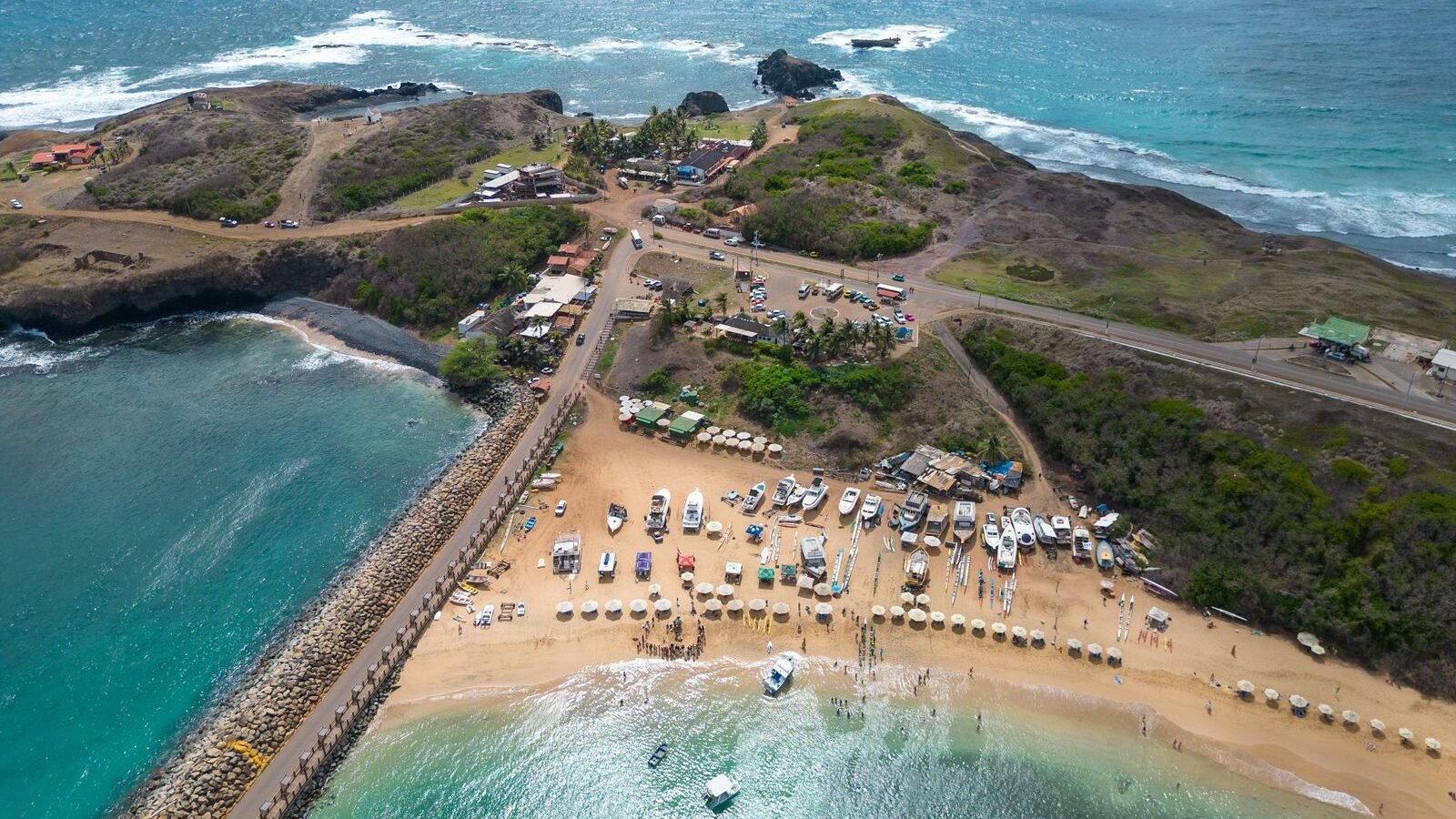
Brazil is not one uniform diving destination. The logistics of an oceanic island, the rules of a marine park and coastal day trips in the southeast produce very different experiences and costs.
Fernando de Noronha: demand meets park limits
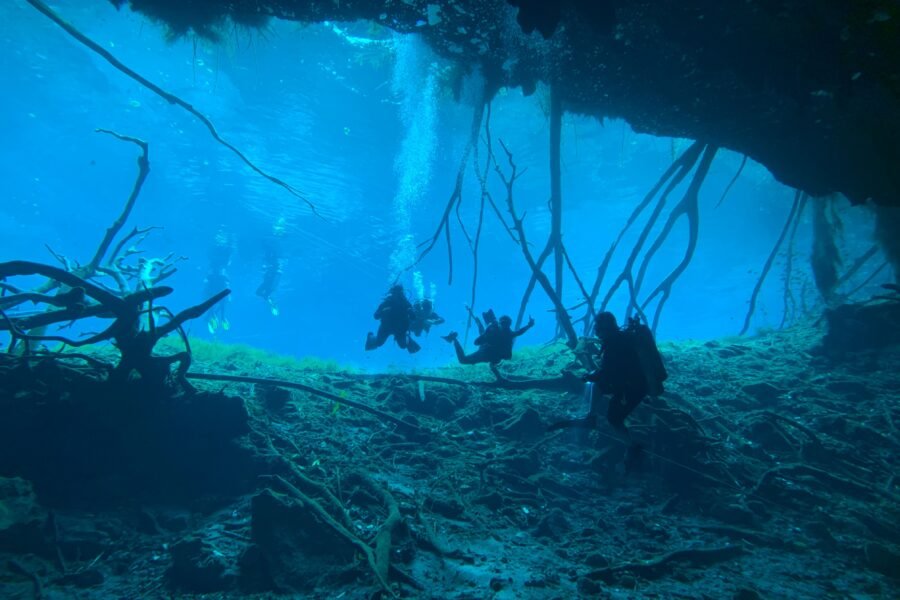
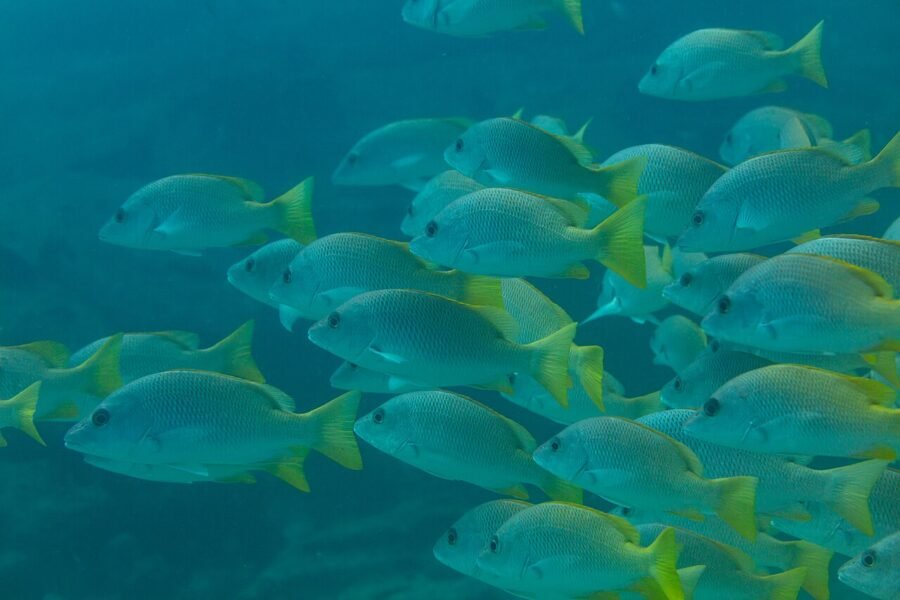
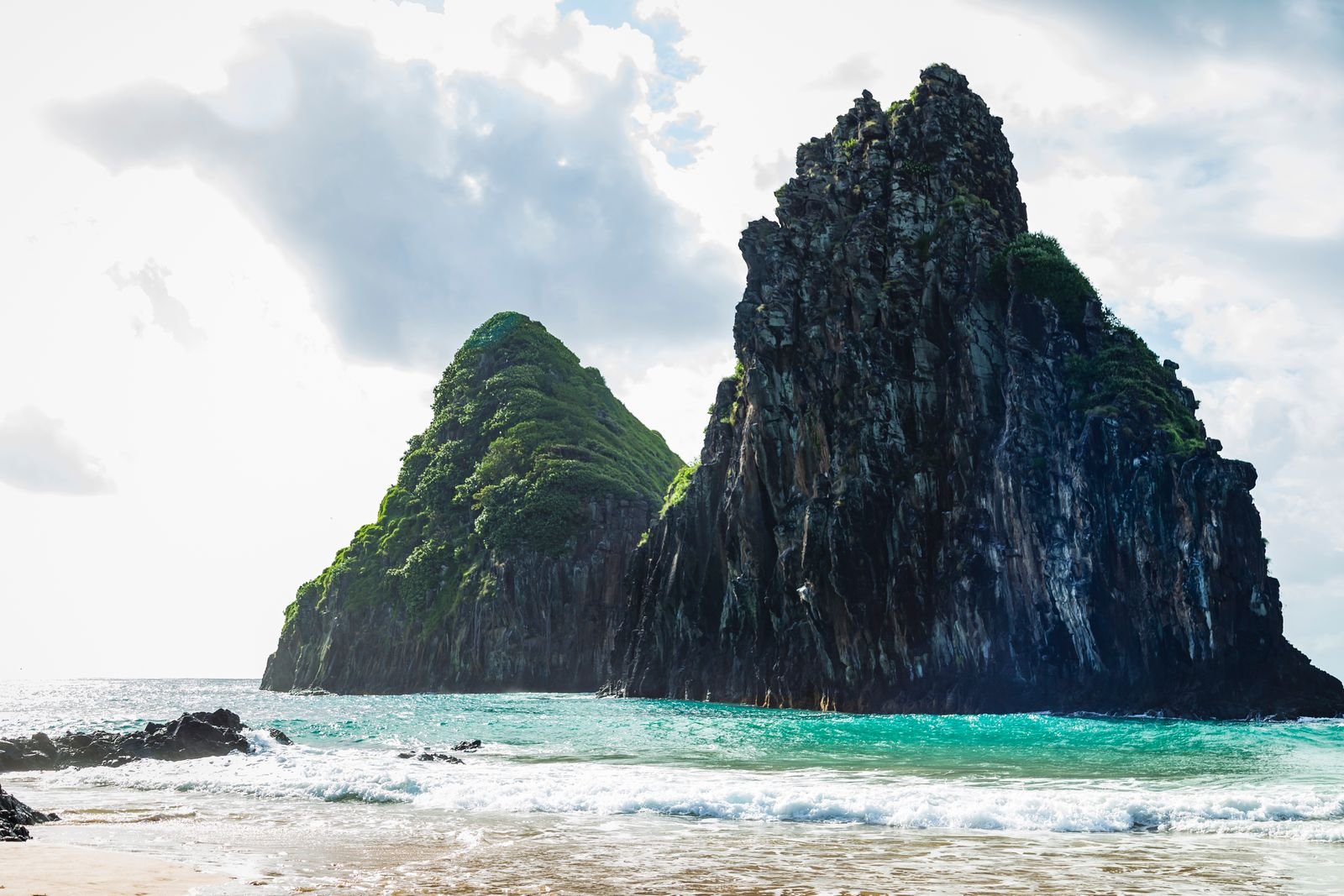
Fernando de Noronha occupies a central place in Brazil’s diving imagination: volcanic walls, oceanic water and wildlife encounters that depend on season and conditions. Its appeal should not be confused with unrestricted access. Visits within the marine park are managed, and some areas have capacity limits and conservation requirements.
ICMBio describes guided and scuba-diving options alongside wildlife observation routes. Pernambuco’s administration publishes information on operators and diving formats. Serious travel planning should account for permits, current fees, transport and alternatives for days when sea conditions prevent boats from leaving.
Abrolhos: the value of operating inside a protected area
Off Bahia’s coast, Abrolhos Marine National Park protects reefs, islands and distinctive underwater formations. ICMBio says visitors travel from Caravelas with authorised companies on day trips or liveaboard stays. The agency identifies December to April as a generally favourable period for warmer water and better visibility, always subject to actual conditions.
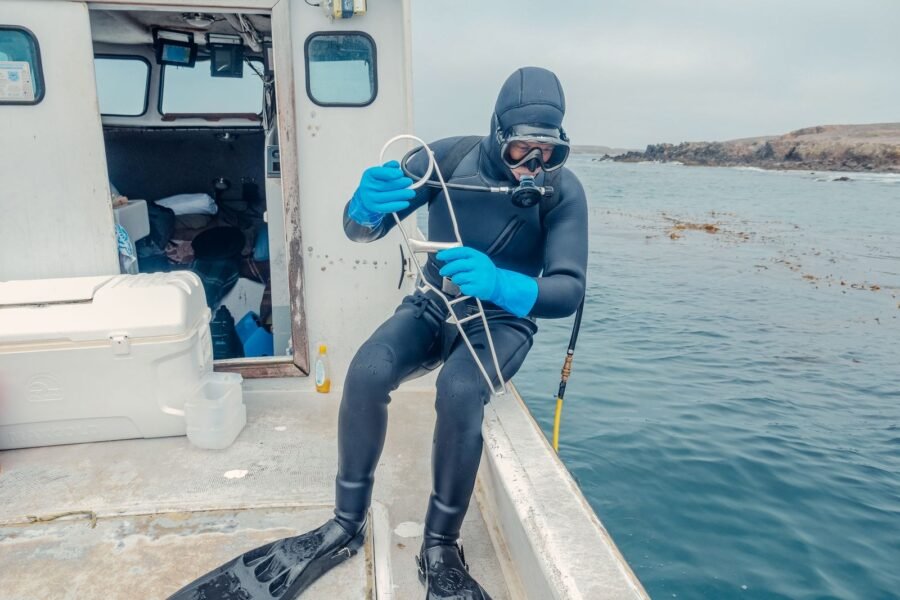
Access rules also reveal what photographs rarely show: an operator is not merely selling two dives. It needs a suitable vessel, qualified personnel, safety procedures, site-use records and coordination with the protected-area administration. Protecting the destination carries costs that belong in the price of responsible operations.
Arraial do Cabo: close to customers, variable conditions
On Rio de Janeiro state’s coast, Arraial do Cabo follows a different model: short trips, visitors arriving by road and a market serving both first-time participants and certified divers. The ocean upwelling that characterises parts of the area can bring nutrients and marine life, but also cold water and changing visibility.
The destination shows why Brazilian dive tourism cannot be reduced to tropical photographs. The experience depends on timing, operational authorisations and how companies manage groups. Choosing solely from promotional imagery without asking about conditions, training and cancellation rules is a poor way to compare offers.
The real product includes logistics
On a remote expedition, costs include fuel, navigation, accommodation, food, fees and crew time. At a centre near a city, trips may run more frequently, but price competition can be sharper. These are different economic models and should not be compared only through a single-dive price.
For Latin American operators, Brazil illustrates the value of segmentation: travellers seeking biodiversity and oceanic remoteness are not necessarily buying the same experience as a family trying scuba for the first time. Marketing, certification requirements and safety support should match the customer profile without relaxing standards.
Conservation cannot be left out of the itinerary
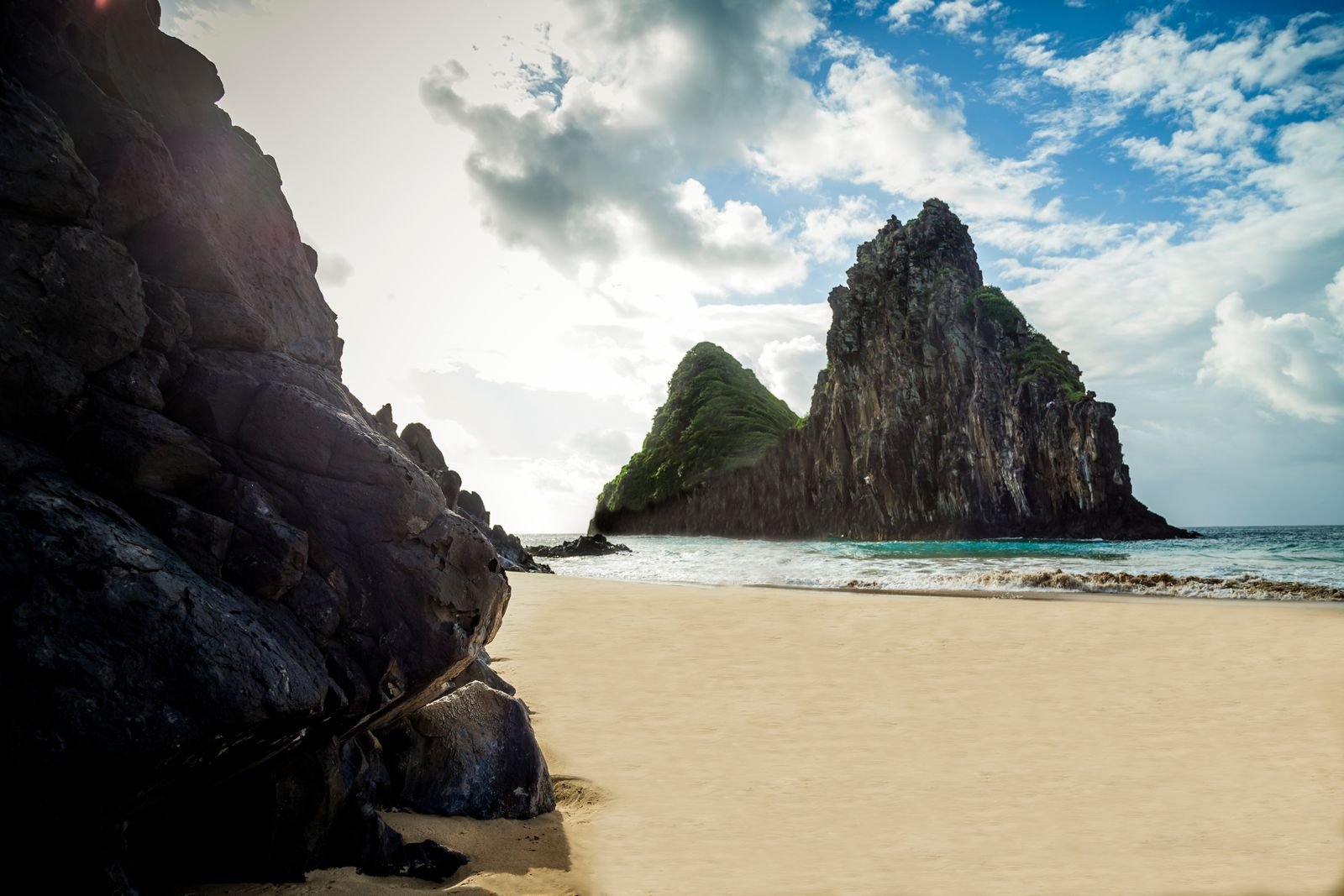
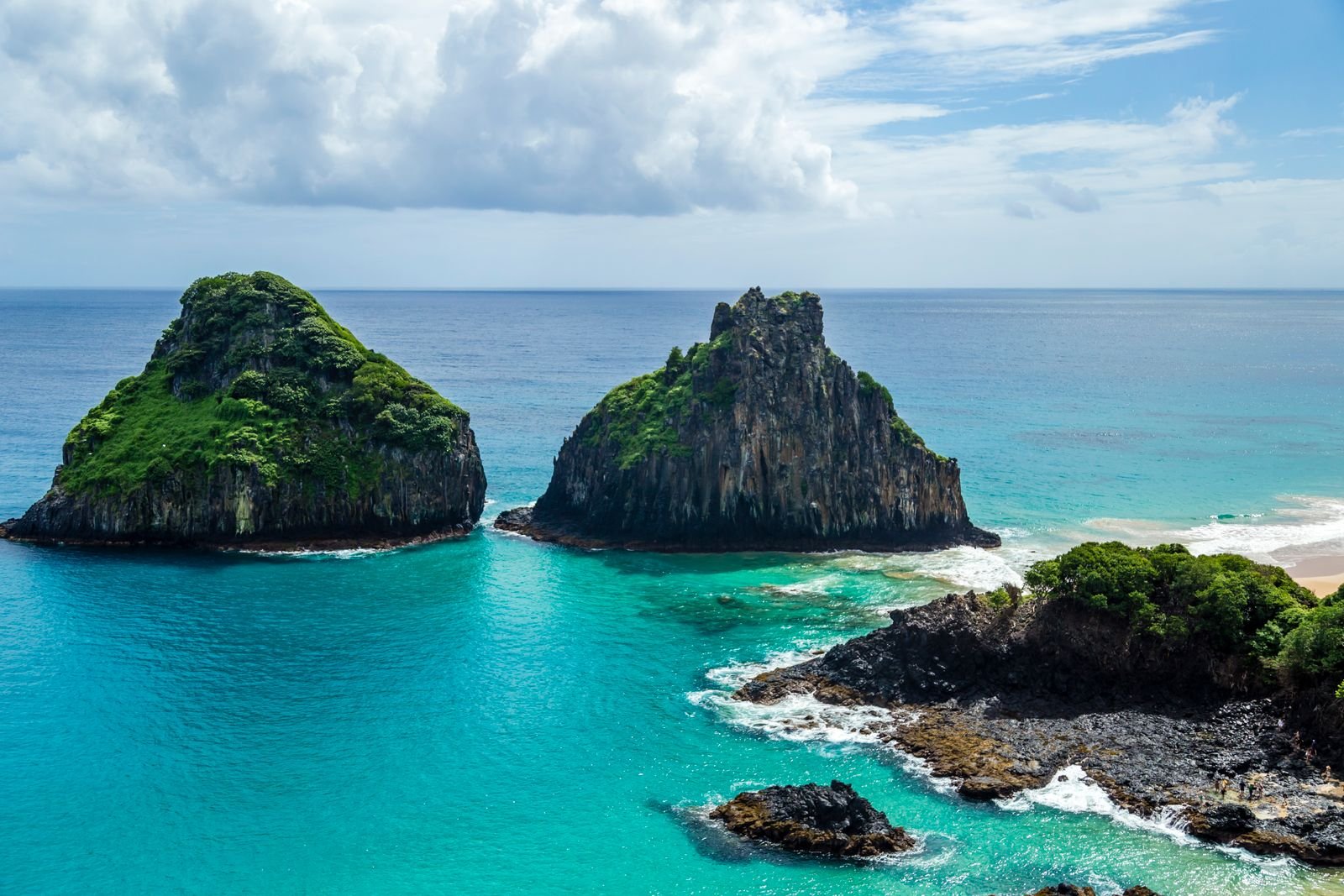
In protected destinations, access limits are not necessarily obstacles to tourism; they help preserve the very features that make the place valuable. In busier destinations, controlling impacts, instructional quality and vessel density is just as important, even if visitors notice it less.
Brazil’s opportunity does not lie in promising crystal-clear water all year. It lies in explaining what each coast offers, what constrains access and why a well-run operation is not necessarily the cheapest.
Sources
ICMBio, Abrolhos visitor guide · ICMBio, Fernando de Noronha · Pernambuco administration, diving in Noronha