From November 3 to 6, New Orleans will bring together manufacturers, dive centers, training agencies and tourism operators. Beyond equipment, the event will offer an opportunity to observe how the ways of teaching, selling and organizing underwater experiences are changing.
Once a year, a significant part of the international diving industry gathers far from the water.
There are no scheduled dives between the aisles of the exhibition hall. Instead, there are demonstrations, conferences, business meetings, tourism destinations and conversations about the problems professionals face throughout the rest of the year.
That is the role of DEMA Show, one of the main professional gathering places for the industry.
The 2026 edition will take place from November 3 to 6 at the Ernest N. Morial Convention Center in New Orleans, United States.
The organizers have announced the participation of more than 500 exhibiting companies and a program featuring hundreds of educational activities. These are projected figures for the event, not final attendance results.
For Latin American professionals, the gathering provides an opportunity to observe international trends and assess which ones could have real consequences in their markets.
An Industry Gathering with Renewed Strength
Figures from previous editions help illustrate the scale of the event.
According to official DEMA statistics, the 2025 edition recorded 507 exhibiting companies and 6,768 verified in-person participants, including attendees and exhibitor personnel.
In 2024, there were 477 exhibiting companies and 5,605 verified in-person participants under the same classification.
The increase is significant, although it must be understood in context: these figures describe participation in a professional event, not the total number of active divers or the economic growth of the entire industry.
DEMA Show is primarily a business trade show. Attendance is intended for professionals and companies involved in diving, water sports and specialized travel.
That is why its exhibition halls offer something different from a consumer-oriented event: they make it possible to observe the decisions that could influence the industry’s commercial offerings in the coming years.
Technology No Longer Ends with Diving Equipment
Historically, breathing equipment, instruments and accessories have occupied an important place at industry trade shows.
However, the 2026 educational program shows that innovation is also reaching commercial operations.
The announced sessions include topics related to digital training platforms, booking systems, search engine positioning, customer communication and artificial intelligence.
The transformation is not limited to using new applications.
For years, many dive centers organized much of their business through phone calls, email, forms and personal conversations.
Those tools still work, but travelers’ expectations have changed.
Customers can compare destinations, check availability and book activities from different countries before arriving at their accommodation.
The question for operators is how to meet that demand without losing the personal attention that characterizes underwater education and experiences.
The program’s business sessions point precisely toward that balance.
Training Is Changing Too
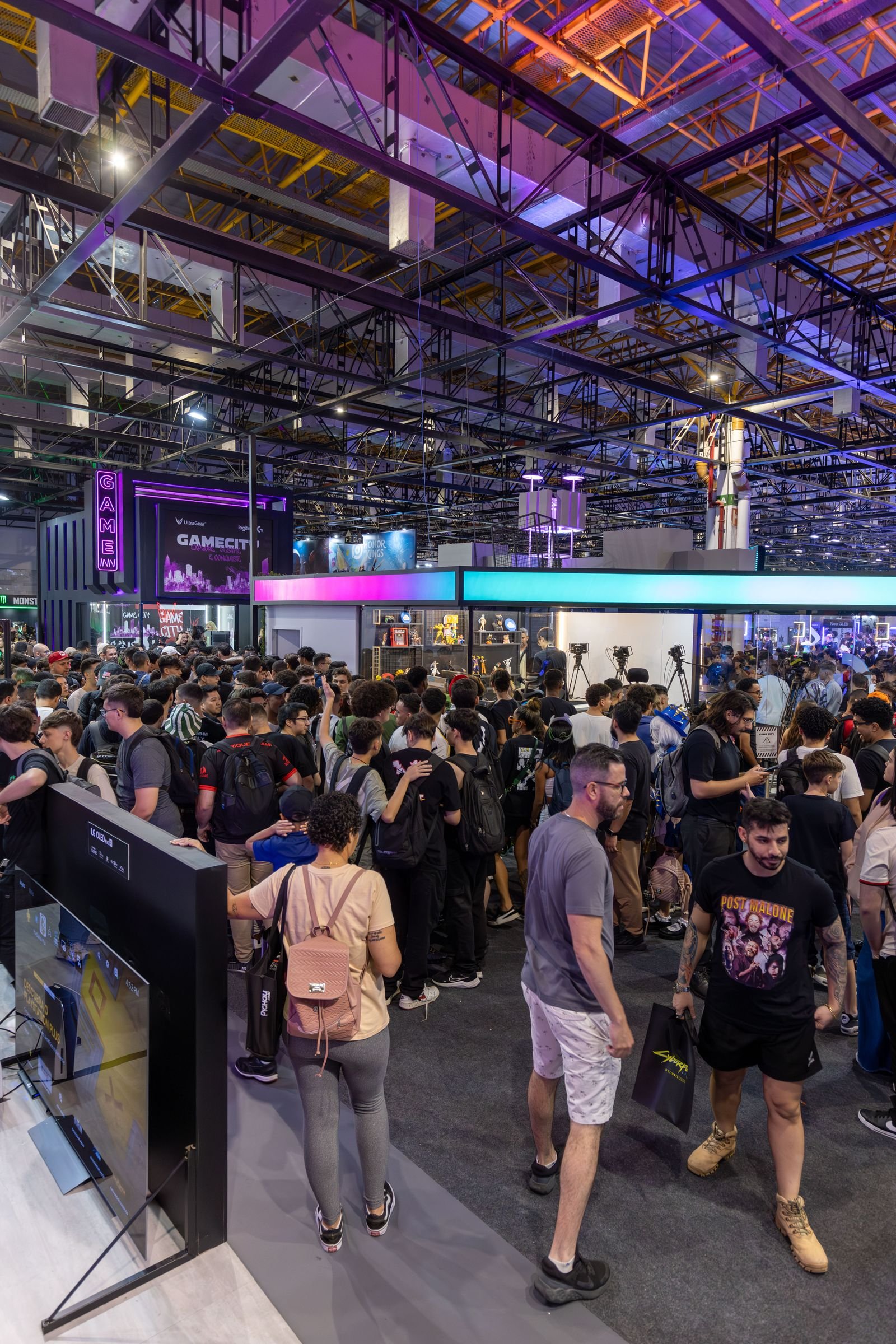
Another subject featured on the agenda is the evolution of training systems.
Digital materials, assessments, monitoring tools and continuing education are part of the event’s discussions.
But digitizing educational content is not the same as turning all training into a virtual experience.
Diving still requires skills that must be demonstrated in the water, appropriate supervision and the ability to respond to unexpected situations.
Digital tools can simplify theoretical preparation and course administration. Practical training retains its essential importance.
For Latin America, where international destinations coexist with communities that have very different educational resources, the accessibility of these technologies deserves particular attention.
The availability of content in Spanish and Portuguese, costs for instructors and the ability to adapt tools to different internet connections and business structures also matter.
Safety: From Individual Responses to Risk Management
The announced agenda includes sessions on human factors, risk management and operational safety.
These subjects reflect an important evolution in the professional conversation.
Safety does not depend exclusively on an instructor knowing emergency procedures. It also requires organizations that identify hazards, document decisions, maintain equipment and prepare their personnel.
Divers Alert Network is participating in the educational program with content related to diving medicine and accident prevention.
For a Latin American dive center, adopting these practices does not necessarily require purchasing sophisticated new equipment.
In many cases, it begins with reviewing existing procedures: pre-dive checks, assessments of environmental conditions, staff training, emergency plans and operational records.
Technology can help, but everyday discipline remains essential.
Dive Tourism Is Looking for More Than Attractive Destinations
Dive travel combines several sectors: air transportation, accommodation, boats, local operators and specialized professionals.
That combination makes Latin American destinations natural participants in the international market.
The Caribbean, the Tropical Eastern Pacific, Brazilian coastal regions and other areas offer very different experiences.
But competing internationally requires more than displaying photographs of reefs or iconic species.
Professional buyers also need information about accessibility, operational reliability, safety conditions, seasons, service capacity and the actual characteristics of the experiences.
The DEMA program includes specific training on travel development, customer loyalty and service diversification.
For Latin American operators, these conversations can help explain how relationships are structured with agencies, group organizers and companies that send tourists abroad.
Sustainability: A Condition for the Industry’s Future
Marine conservation also appears on the event’s agenda.
It is not an issue separate from economic activity.
Reefs, biodiversity and environmental quality are among the natural resources that sustain many diving destinations.
When an ecosystem deteriorates, the consequences affect marine life and may extend to the communities and businesses that depend on tourism.
That is why low-impact practices, conservation programs and the relationship between operators and protected natural areas have an economic dimension as well as an environmental one.
One relevant discussion will be how to turn these principles into regular, verifiable procedures rather than using them only as promotional arguments.
What Latin America Should Watch
The value of attending an international trade show cannot be measured solely by the number of contacts made or pieces of equipment examined.
For professionals in the region, at least four subjects deserve attention:
- Training: tools that improve education without weakening practical components or unjustifiably increasing costs.
- Operations: solutions that reduce administrative errors, improve bookings and provide a clearer understanding of profitability.
- Safety: procedures capable of strengthening prevention and emergency response.
- Conservation: initiatives that can genuinely be implemented in destinations and measured over time.
The Latin American industry has its own particular conditions. A solution designed for a large outbound tourism market will not necessarily work equally well in a small Central American dive center or a remote Pacific operation.
This difference makes it necessary to evaluate new developments critically.
DEMA Show 2026 will provide an opportunity to learn about proposals and trends, but its usefulness will depend on what professionals do with that information afterward.
A trade show can open conversations. The industry evolves when those conversations become better practices, stronger operations and more responsible diving experiences.
This article is also available in: Español · Português