Behind every dive is an operation that combines tourism, training, boats, specialized equipment and qualified personnel. In Latin America, maintaining that balance can be just as complex as finding new customers.
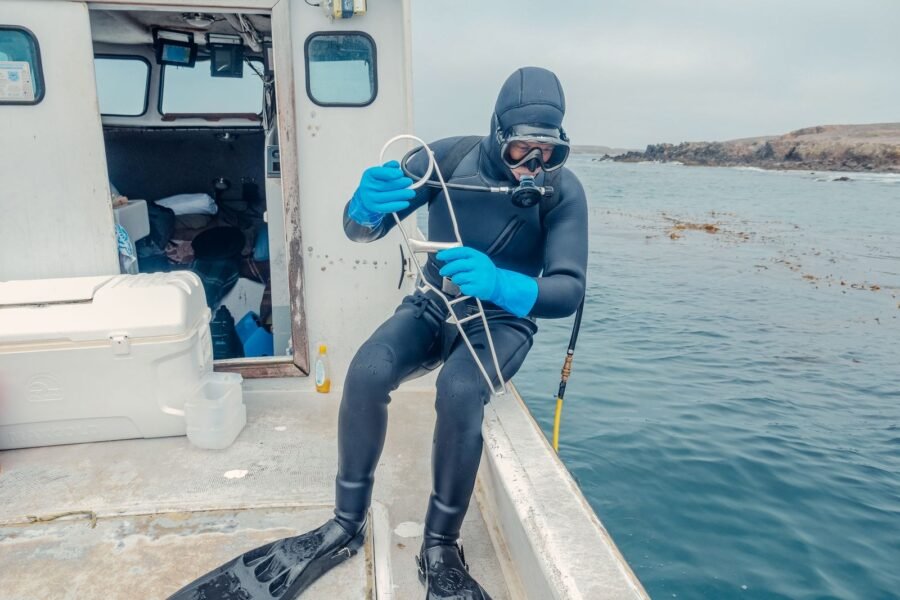
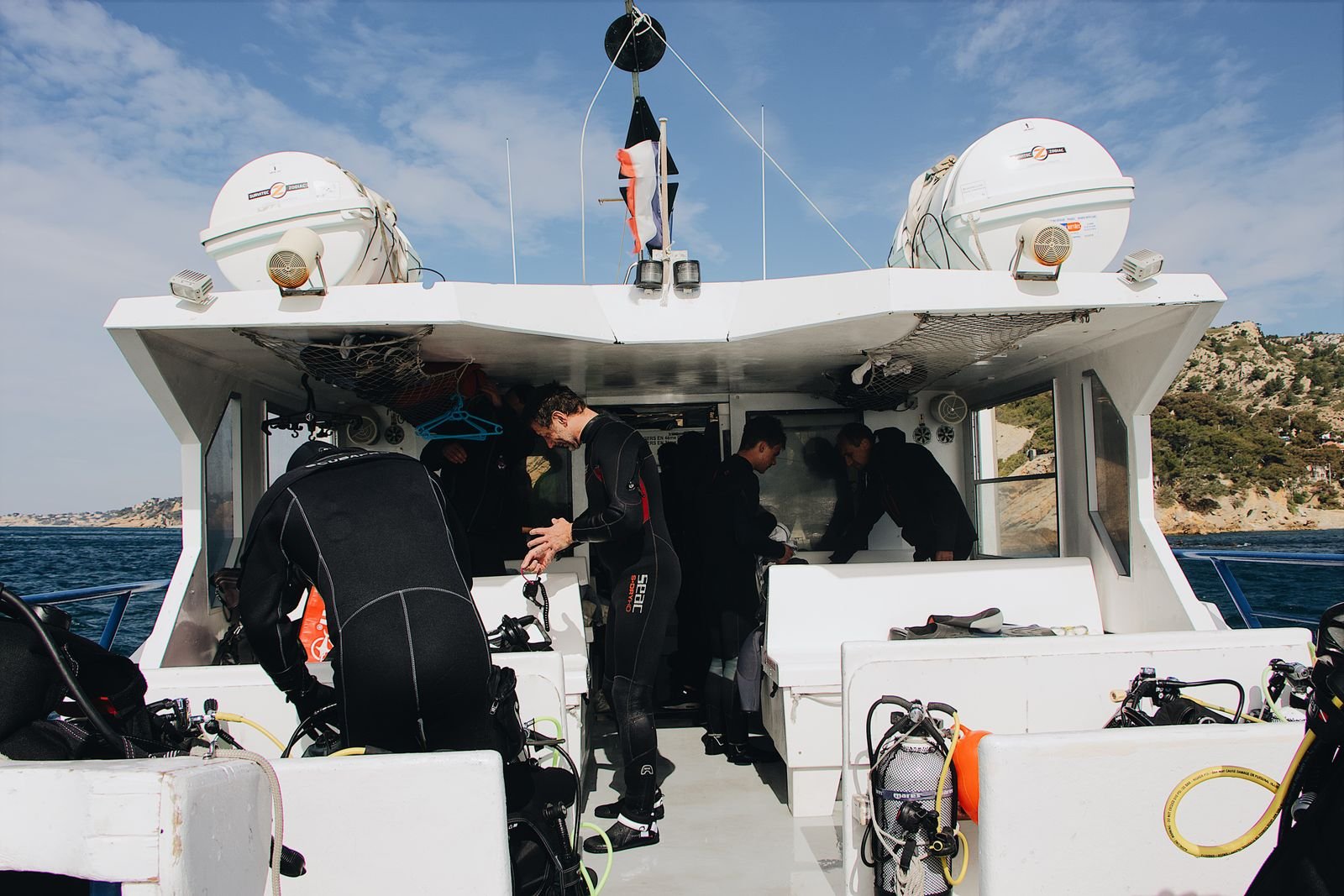
Early in the morning, a dive center begins working long before its customers arrive at the dock. There are cylinders to fill, equipment to inspect, reservations to confirm, boats to prepare and decisions to make about the weather.
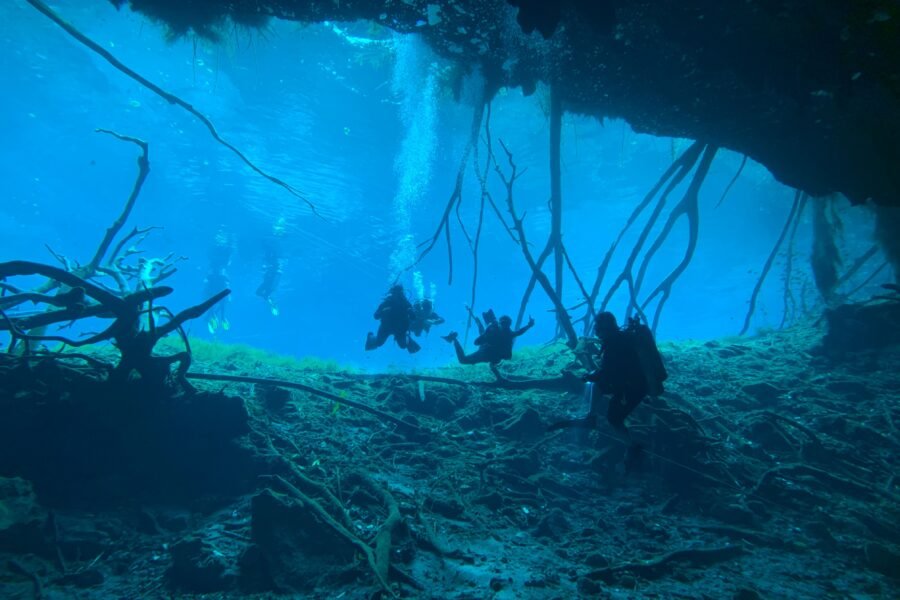
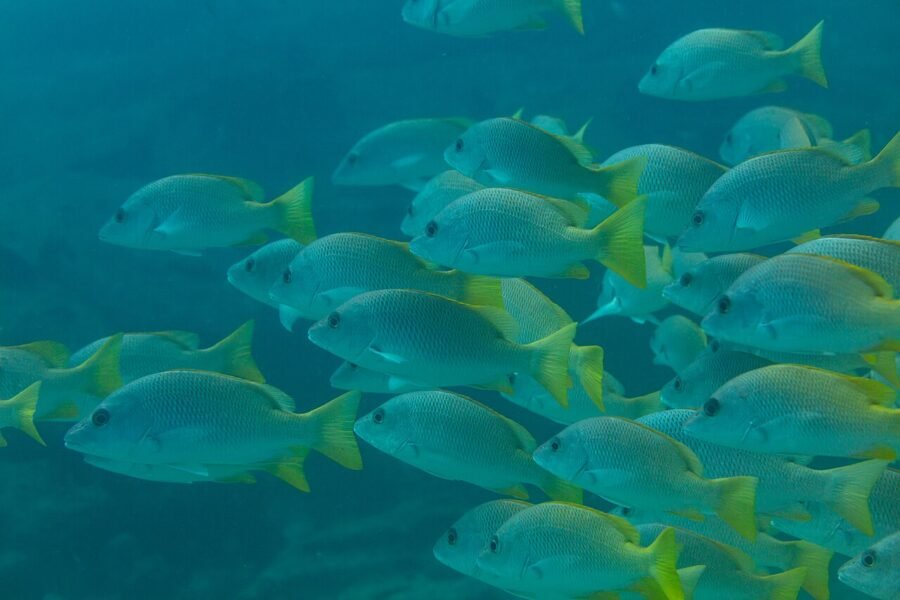
If everything goes well, a few hours later the divers will return talking about what they saw underwater. What they probably will not see is the amount of resources required to make that experience possible.
That is one of the economic characteristics of the diving industry: the customer purchases an experience lasting a few hours, but the operator must maintain a functioning business structure throughout the year.
In destinations such as Cozumel, Roatán, Utila, the Galápagos Islands, San Andrés, Fernando de Noronha and the coast of Costa Rica, this activity forms part of a tourism economy involving accommodation, transportation, restaurants, training and marine services.
However, not all dive centers participate in that market in the same way. Some depend primarily on recreational dive trips. Others have built businesses around education, equipment rental, expeditions or relationships with hotels.
Understanding these differences is essential to analyzing the sector’s economic reality.
An International Industry Without a Common Regional Accounting System
One of the first obstacles to studying the Latin American diving business is the lack of comparable financial statistics between countries.
There is no consolidated public regional database that makes it possible to establish rigorously how much an average dive center earns in revenue, how much profit it generates or what margin it achieves.
The Diving Equipment & Marketing Association (DEMA) conducts research into consumers and purchasing behavior, but its available studies do not constitute a representative financial census of all Latin American operators.
In January 2025, DEMA released research based on a sample of more than 7,000 consumers who had been involved in certifications, travel or equipment purchases during the preceding three years.
The results make it possible to study customer segments, but they cannot be used to calculate directly the profitability of a dive center in Mexico, Honduras or Colombia.
The absence of this information has consequences. The growth of underwater tourism is frequently discussed, but measuring the economic health of the businesses providing the service is more difficult.
Where Does the Revenue Really Come From?
Although each destination operates differently, the commercial structure of dive centers usually combines several revenue sources.
Recreational dives are the most visible activity. They may be sold per trip, by number of tanks or through multi-day packages. Their profitability depends on occupancy, price, distances traveled by boat and operating costs.
Diver training represents another important revenue stream. It includes entry-level courses, continuing education, specialties and professional programs. Unlike a recreational dive trip, it requires educational planning, materials, assessment and student follow-up.
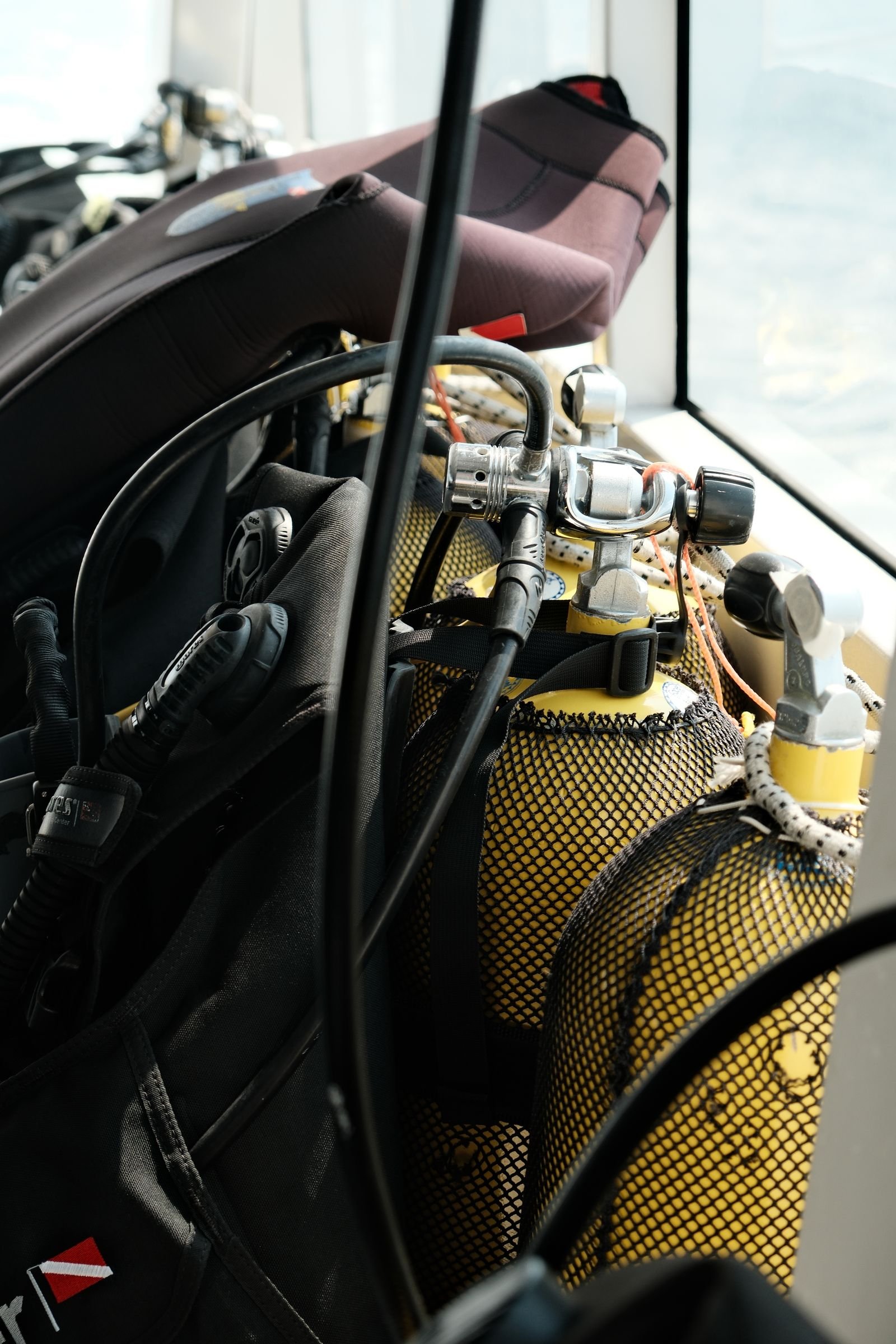
Equipment rental and sales make it possible to serve travelers who do not bring all their own gear. They also require investment in inventory, maintenance, replacement and storage space.
Travel and expeditions expand commercial opportunities. Some centers organize groups to other destinations and use those experiences to maintain relationships with their regular customers.
Finally, there are operating models connected with hotels, resorts, third-party vessels and destination management agencies. These arrangements can provide additional sales channels, but they frequently involve commissions or commercial terms that reduce the operator’s net revenue.
The question is not how many services appear in the catalog, but how much each contributes to sustaining the business.
The Costs That Do Not Always Appear in the Price of a Dive
A boat departing with four passengers may consume an amount of fuel similar to what it would need to carry six. The captain still needs to be paid for the working day, and certain maintenance expenses will remain. This explains why the number of customers per trip has such a strong influence on profitability.
Costs can be divided into three broad categories:
| Fixed costs | Activity-related costs | Periodic investments |
|---|---|---|
| Administration and overhead | Fuel and logistics | Boats and engines |
| Permanent salaries | Variable professional fees | Diving equipment |
| Insurance and permits | Course materials | Compressors and cylinders |
| Rent and facilities | Sales commissions | Renewals and maintenance |
| Booking systems | Supplies and consumables | Staff training |
Not all businesses bear these costs in the same way. A center operating from a beach, another using hotel facilities and a third maintaining its own vessels have different economic structures.
There is also an element frequently omitted from the simplest calculations: depreciation.
Regulators, buoyancy compensators, cylinders, compressors and engines do not last indefinitely. If the operator sets prices without reserving funds to replace them, the business may report apparent accounting profits while slowly consuming its working capital.
The Challenge of Seasonality
Across much of Latin America, tourism demand changes according to school holidays, weather conditions, rainy seasons and travel periods in the main source markets.
Conditions are not the same in the Mexican Caribbean, the Colombian Pacific, the Galápagos archipelago or southern Brazil.
There are destinations where particular species attract visitors during specific periods. Elsewhere, currents, visibility, winds or port closures restrict activity.
A center may operate close to capacity for several months and experience weeks of reduced activity during others.
The difficulty arises when revenues fluctuate but financial obligations remain. That is why an economic assessment needs to consider the entire year, not only high-season results.
Competing on Price Does Not Mean Competing Under Equal Conditions
Divers comparing two excursions online often find different prices for apparently similar services.
However, the prices may include different services: number of dives, duration, group size, equipment, transportation, protected-area entrance fees or additional services.
There may also be less visible differences, such as staff training, maintenance, insurance or emergency preparedness.
This does not mean that the more expensive operator is necessarily safer, or that the cheaper operator fails to meet its obligations. It means that price alone provides incomplete information about the service.
Competition becomes particularly difficult when consumers cannot identify those differences before booking.
For operators investing in safety and quality, making their procedures visible is just as important as explaining the characteristics of the dive site.
Which Indicators Reveal the Health of a Dive Center?
A large administrative structure is not necessary to begin measuring business performance. Some indicators provide a considerably more accurate picture than total revenue alone.
| Indicator | What it reveals |
|---|---|
| Occupancy per trip | Utilization of operating capacity |
| Net revenue per diver | Value retained after discounts and commissions |
| Direct cost per trip | Resources consumed to provide the service |
| Contribution margin | Each service’s ability to cover fixed costs |
| Revenue per operating day | Commercial productivity of the operation |
| Repeat customers | Ability to generate recurring demand |
| Bookings by channel | Dependence on hotels, agencies and direct sales |
The contribution margin of a trip is calculated by subtracting its variable costs from the net revenue it generates. It is not equivalent to the dive center’s final profit.
This distinction is particularly important when boat costs, permanent salaries and sales commissions are mixed together.
Professionalization: A Challenge Across the Entire Region
Latin American diving offers extraordinary destinations, experienced professionals and well-established tourism infrastructure in many locations.
But the natural appeal of a destination does not guarantee the profitability of the businesses operating there.
Professionalization also requires management capable of understanding costs, anticipating replacements, managing risks and identifying which customers generate sustainable results.
Technology can simplify bookings, payments and communication. Continuing education can improve service quality. Commercial partnerships can expand the market.
None of these tools replaces the need to understand the operation’s real numbers.
The economic future of a dive center does not depend solely on how many people want to go diving. It depends on its ability to provide those experiences safely, consistently and in a financially sustainable manner.
And for an industry that still lacks comprehensive regional statistics, beginning to measure its businesses more effectively would itself represent important progress.
This article is also available in: Español · Português