
Before the next group of visitors arrives, operators must settle a set of decisions tourists rarely see: staffing, boats, equipment, reservations and emergency readiness. Preparing for demand is not simply a matter of selling more seats.
Other languages: Español · English · Português

Peak season does not begin on the same day everywhere
A common mistake is to discuss a single Latin American peak-season calendar. Demand in the Mexican Caribbean, the Honduran islands, the Galápagos and Brazil’s coasts depends on different source markets, school holidays, navigation conditions and wildlife seasons.
October may be a period of commercial preparation in parts of the Caribbean, but it does not in itself predict November or December occupancy. A responsible operator uses confirmed reservations, historical patterns and local conditions. The Atlantic hurricane season officially continues through November 30: attractive travel dates do not guarantee favorable weather.
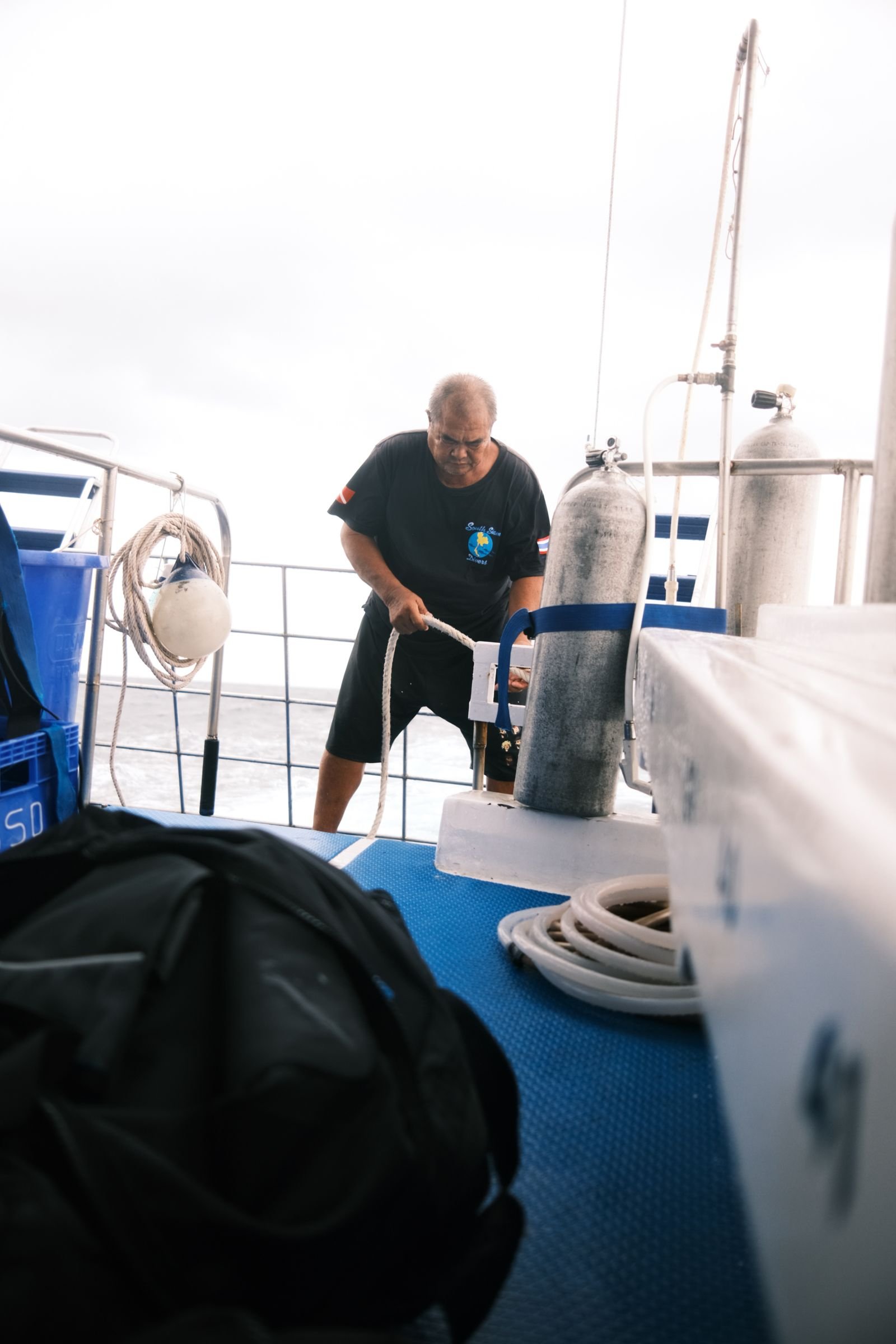
The first audit takes place at the dock
Before adding departures to the schedule, the business should review boats, breathing equipment, cylinders, buoyancy systems, communications and rescue supplies. Equipment offered for sale as part of an experience should not be considered operational until its condition and maintenance have been checked.
Divers Alert Network explains that operator safety extends beyond customers to workshops, compressors, vessels and emergency plans. A minor fault in a quiet period can become an expensive cancellation once bookings are back to back. Documented inspections, spare parts and clear responsibilities help reduce improvisation.
More bookings do not justify overstretched teams
The available workforce sets a real limit on sales capacity. Operators need to check licenses, certifications, competencies, training currency and familiarity with local procedures. Hiring another person does not automatically solve a problem if that person must learn the operation during its busiest days.
Schedules also need to account for breaks, relief staff and preparation time. Guides, captains and surface teams perform different duties; switching them without confirming competencies introduces risks. Efficiency does not mean eliminating every pause. It means allocating work so the service remains consistent without weakening safety.
Bookings, commissions and margins: cash flow also needs preparation
Higher occupancy increases requirements for fuel, maintenance, course materials, inventory and staff. A full calendar therefore does not guarantee cash availability. Operators should calculate net revenue by channel and the expenses that must be paid before certain services are collected.
Direct bookings, hotels, travel agencies and platforms can attract customers at different commercial costs. The relevant metric is not simply which channel brings the most people, but the margin remaining after commissions, cancellations and variable costs. Refund and weather-related change policies should be clear before payment.

An emergency plan must be executable
DAN recommends adapting emergency action plans to the characteristics of each center, vehicle and dive site. Keeping a signed document is not enough: staff need to know communication procedures, where oxygen is stored, how evacuations are coordinated and how to respond when a diver is missing.
Drills help expose gaps between written procedures and actual operations. During peak season, when temporary staff join and customer numbers rise, those gaps may be overlooked. Plans need to be reviewed with the people who will actually run the trip and the resources available on that day.
Protecting the experience and the environment
Commercial pressure can encourage larger groups, shorter itineraries and successive departures. Without suitable planning, those decisions weaken individual attention and may place additional pressure on natural sites. Sales capacity should not be confused with ecological capacity or appropriate supervision.
A consistent environmental briefing, group sizes suited to conditions and respect for local rules help reduce impacts. Operators may also need to coordinate departure times, access points and mooring buoys where local regulations require them. A destination’s appeal rests on the quality of the experience and the condition of the ecosystems supporting it.
What should be measured at the end of the day
Operations should record occupancy per trip, net revenue per participant, direct costs, cancellations, incidents, satisfaction and equipment condition. A simple, current dashboard is more useful than estimates reconstructed weeks later.
Peak season is a commercial opportunity, but it is also a management test. A prepared center can benefit from demand without relying on improvised decisions. Selling the last available seat is not always the best choice; protecting margin, safety and reputation can be more valuable than filling a boat.
| Indicator | Purpose |
|---|---|
| Occupancy per trip | Measure capacity utilization |
| Net revenue per customer | Assess sales channels |
| Direct cost | Detect operational losses |
| Incidents and cancellations | Improve risk management |