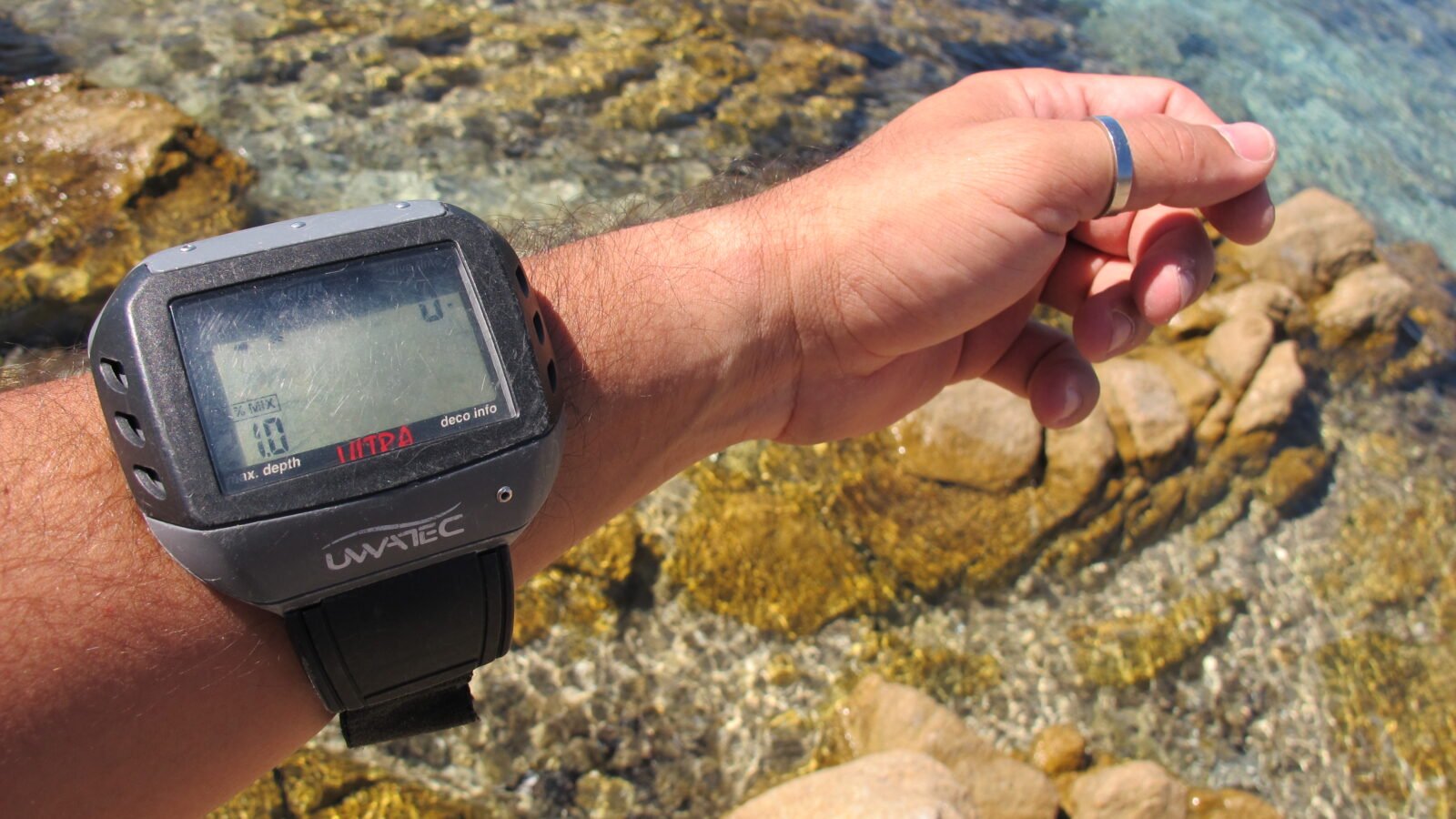
At a dive center, innovation does not always look like innovation. Sometimes it is a new computer with a clearer screen. Sometimes it is a regulator returning from service on time. Sometimes it is a wetsuit that lasts one more season. And sometimes it is simply having the right sizes so a person does not feel cold or uncomfortable before entering the water.
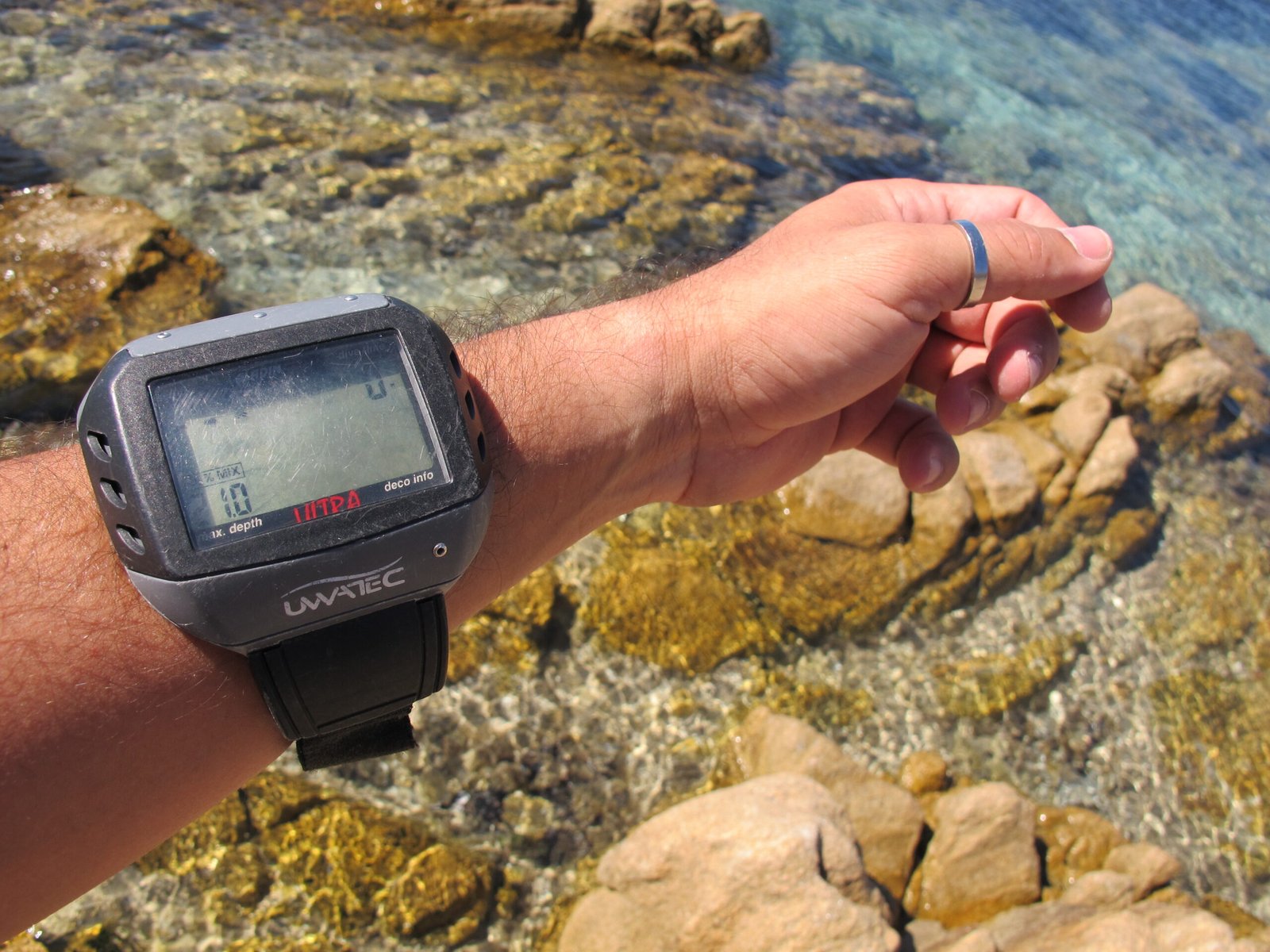
Useful innovation makes diving safer, easier to manage, more durable or more sustainable. Everything else is noise.
Diving equipment often appears in magazines as a catalog of novelties: brighter computers, wider masks, smaller cameras, more flexible wetsuits, lighter fins. All of that matters. But for those who work with real divers every day, the question is not what looks best at a trade show. The question is what reduces problems, improves safety, lasts longer, is easier to maintain and makes the experience clearer for the user.
The dive computer is no longer an accessory
For years, many recreational divers saw the computer as desirable but not essential. That perception is changing. The dive computer is becoming the control center of the dive: depth, time, no-decompression limits, ascent rate, compass, gas mix, alerts, history and, in some models, air integration.
Brands such as Garmin, Shearwater, Suunto, Oceanic and others push this transition from different angles. Some connect diving with the sports watch. Others focus on legibility and technical logic. Others bring the computer closer to recreational users already used to smart devices.
Safety, durability, repairability, better decisions.
More features without clearer use.
More data, more responsibility
Air integration shows the tension well. Seeing tank pressure, estimated consumption and remaining gas time on the same screen can improve situational awareness. For instructors and guides, data can also help explain air consumption, stress, buoyancy and progression.
But technology should not create dependence. A transmitter can fail. A battery can die. A signal can be lost. Useful innovation reinforces fundamentals; it does not replace them.
Buoyancy is still the center of the problem
A diver without buoyancy control uses more air, gets tired faster, touches the bottom, damages coral, raises sediment and enjoys less. Systems such as Avelo have attracted attention because they rethink buoyancy with a different architecture. That deserves attention, but also caution. New systems require training, protocols and honest communication about limits.
Sustainability is also durability
The equipment industry carries a contradiction: diving sells love for the ocean while relying on neoprene, plastics, packaging and international logistics. More brands are responding with alternative materials and recycled inputs. But a product is not truly sustainable if it degrades quickly or cannot be repaired. In diving, sustainability also means long life, maintenance and repairability.
The least visible innovation: maintenance
The most important part of equipment is not always in a display case. It is in the service log, the O-ring changed on time, the inspected cylinder, the checked battery, the retired hose and the compressor maintained with discipline. Many operational problems do not come from lack of advanced technology. They come from weak maintenance.
For Latin American centers, this may be the most profitable innovation: digital inventory, service history, daily checklists, reliable technicians and preventive retirement criteria. It is not glamorous, but it reduces incidents and protects reputation.
Professionalism, not spectacle
Diving does not need to look more technological to be better. It needs to use technology better. Computers that divers understand, regulators that are maintained, durable wetsuits, cameras used without damaging the environment and buoyancy systems adopted with real training.
In 2026, equipment will not be only a product category. It will be a way to measure the maturity of an operation.
The camera has changed diver behavior
Underwater photography is no longer a small niche. Today many customers expect to take images home. Action cameras, phone housings, compact lights and 360-degree cameras have changed how travelers remember and share dives.
For a dive center this can be a major opportunity. A good photograph helps sell an experience; a well-made video can lead to bookings; a guest who shares images can introduce other people to a destination. But cameras can also distract. Someone intent on recording a shot can lose buoyancy control, separate from the group, kick coral or miss hand signals.
The answer is neither a blanket ban nor unrestricted use. It is thoughtful integration: explain when cameras may be used, insist on good buoyancy, offer photography and video services with trained guides, establish wildlife rules and remind guests that no photograph is worth damaging a dive site.
Rebreathers and the attraction of advanced diving
Rebreathers will continue to attract attention in technical diving, wildlife photography, cave exploration, expeditions and scientific projects. Fewer bubbles, extended underwater time and efficient gas use are appealing for certain purposes.
But they are not about to become the mass-market recreational standard. They are expensive, demanding systems with very little room for improvisation. They require training, maintenance, discipline and logistics. Presenting them as the inevitable future of recreational diving would be an exaggeration.
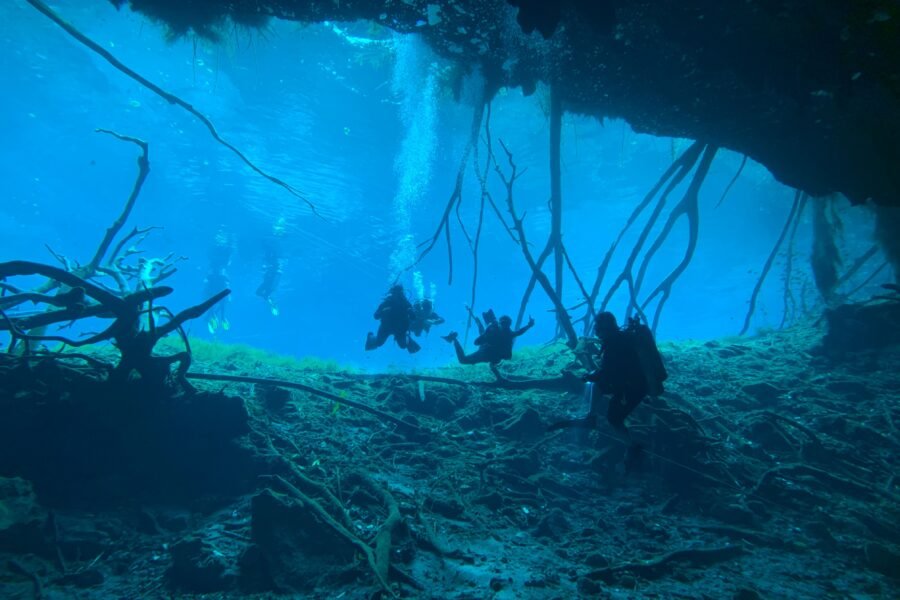
In Latin America their growth makes the most sense in particular niches: Mexican cenotes and caves, pelagic expeditions, advanced photography, scientific research, underwater archaeology and technical training. This is not equipment for everyone, and it should be discussed responsibly.
What it means to buy better
The equipment conversation should not be reduced to brand names. Buying better means understanding the operation. A center teaching beginners needs a wide range of sizes, comfort, ease of use and durability. Cenote operations need suitable lighting, redundancy, protocols and configurations. Liveaboards need spares, backup systems, communications and dependable equipment. Independent instructors need portability and equipment they can service without depending on an impossible supply chain.
Latin America brings additional complications: distribution, taxes, import delays and uneven technical support. Buying sophisticated gear without nearby service can be costly. Innovation that cannot be repaired becomes a problem.
The strongest operators in 2026 will not necessarily own the most gadgets. They will be the ones whose equipment choices fit what they actually do. Technology matters, but judgment matters more.
Useful innovation versus cosmetic innovation
Useful: readable information underwater, reliable service, repairability, suitable sizing, safer procedures and less environmental impact.
Cosmetic: impressive specifications that do not improve the dive, unsupported devices and product claims that outrun actual training or maintenance capacity.