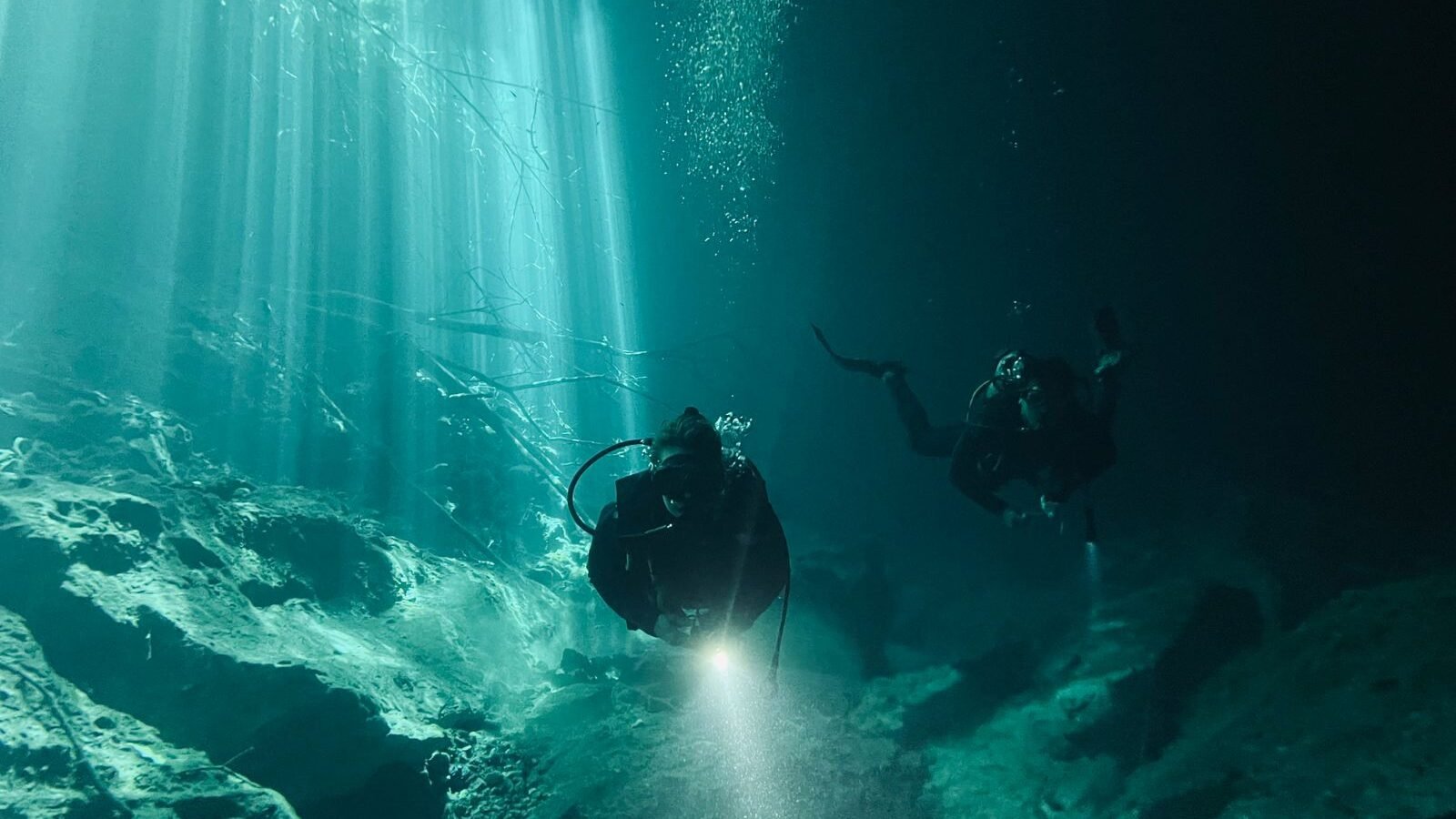
Millions of people have learned to dive through internationally recognized training organizations. Behind their different names lies a complex structure of standards, instructors, affiliated centers and educational models.
For someone who has never dived before, choosing a course may begin with a seemingly simple question: which certification should I obtain?
In tourism destinations, that decision often depends on the center they find, a friend’s recommendation, the language of instruction or availability during their vacation.
The acronyms often appear before the explanations: PADI, SSI, SDI, NAUI, CMAS, RAID.
To a prospective diver, they may seem like equivalent alternatives. To industry professionals, they represent different organizations, administrative systems, training programs and commercial relationships.
However, they all operate within a shared reality: recreational diving needs verifiable teaching processes and competencies that allow people to practice the activity within defined limits.
What Does a Training Agency Actually Do?
A training organization establishes programs, entry requirements, educational content, assessment criteria and procedures for issuing certifications.
It may also train instructors, develop materials, organize continuing education and maintain quality-control systems.
The instructor delivers and assesses training according to the applicable standards.
The dive center provides facilities, equipment and services, and may participate as an affiliated or authorized establishment of one or several organizations.
These functions are connected, but they are not identical.
A training agency does not necessarily operate every center where its programs are taught. Nor do all organizations use the same affiliation model.
To understand this market, it is therefore necessary to distinguish between the organization establishing the educational system, the person teaching and the business providing the service.
PADI and the Model of an Extensive International Network
The Professional Association of Diving Instructors (PADI) was founded in 1966 and has become one of the best-known organizations in the activity.
In January 2026, marking its sixtieth anniversary, it reported a network of approximately 128,000 professionals and 6,600 centers and resorts in more than 180 countries.
It also reported having issued more than 30 million certifications cumulatively throughout its history.
This last figure requires clarification: cumulative certifications do not mean 30 million active individuals who dive regularly. The same person can receive different certifications during their diving career.
PADI’s training system includes initial courses, specialties, continuing education and professional development.
Its international presence makes it easier for many travelers to find familiar centers and programs in different destinations.
That does not eliminate the need to assess the specific conditions of each course.
SSI and Its Integration with Training Centers
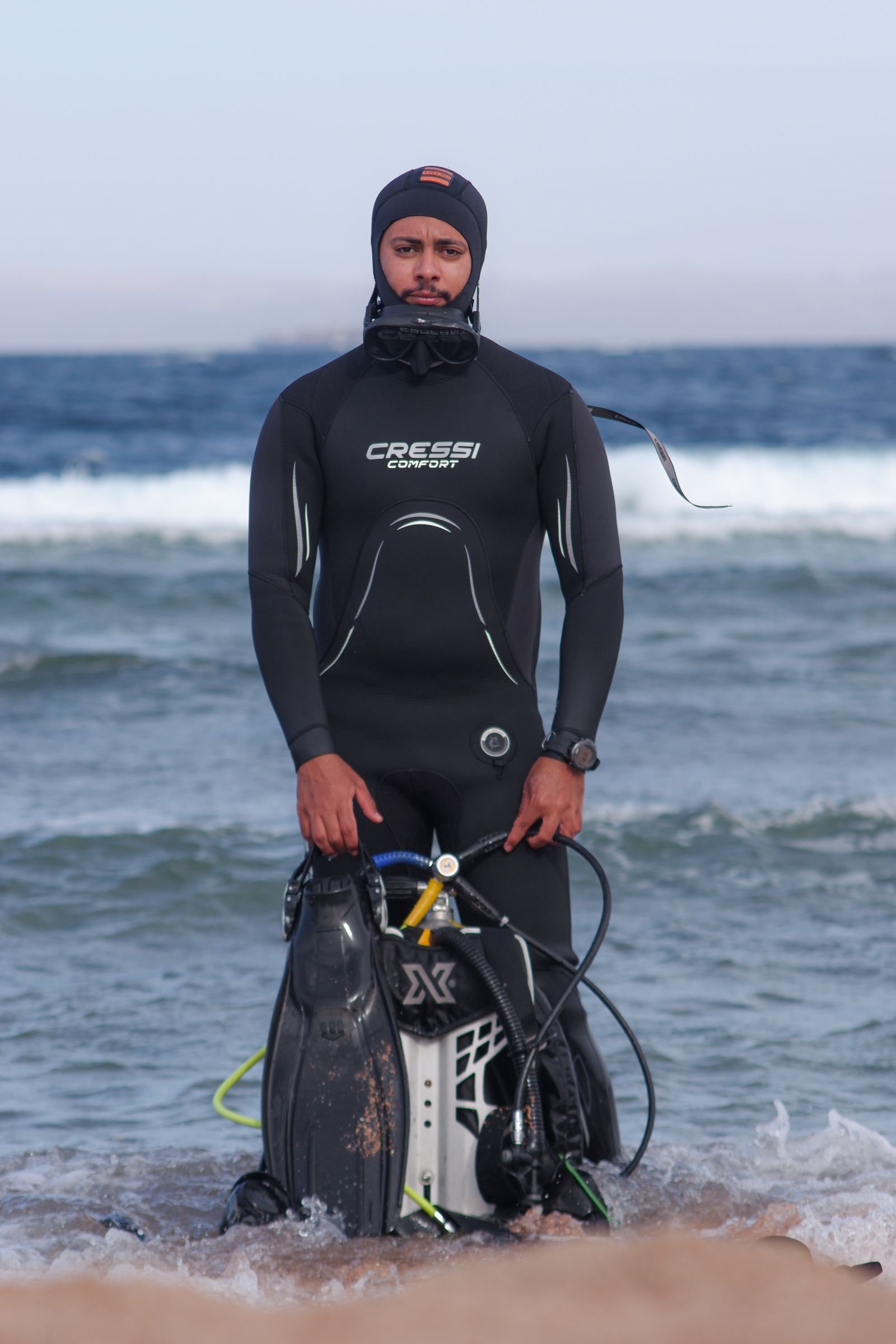
Scuba Schools International (SSI), founded in 1970, operates through a system of affiliated centers and professionals.
The organization reports that its network exceeds 4,000 training centers and 100,000 professionals across more than 150 countries.
These are figures declared by SSI. They should not be used to calculate automatically its market share against other agencies, because organizations may use different definitions and reporting periods.
The SSI model integrates educational materials, digital tools and a structured relationship with its training centers.
Its offering includes recreational diving programs, continuing education, technical diving and other aquatic activities.
For an operator, joining a system of this type means assessing standards, affiliation terms, available educational materials and professional support.
For the student, the essential element remains the quality of instruction and the actual acquisition of competencies.
SDI, TDI and the Relationship Between Recreational and Technical Diving
Scuba Diving International (SDI) belongs to International Training, a group that also includes Technical Diving International (TDI) and Emergency Response Diving International (ERDI).
TDI began operating in 1994 with a focus on technical training. SDI emerged in 1998 to serve the recreational market.
The connection between these organizations makes it possible to offer educational paths ranging from entry-level diving to specialized programs.
Technical diving, however, should not be understood as a simple automatic continuation of recreational diving.
It may involve procedures, equipment, breathing mixtures and dive profiles requiring specific preparation and different risk management.
The existence of programs within the same family of agencies does not eliminate those requirements.
NAUI, CMAS, RAID and Other Alternatives
The international structure is not limited to three organizations.
The National Association of Underwater Instructors (NAUI) maintains its own system for training divers and professionals.
The Confédération Mondiale des Activités Subaquatiques (CMAS) represents another relevant model, particularly because of its relationship with national underwater-activities federations.
Its system includes training levels identified by stars, specialized programs and its own standards.
RAID and IANTD are other organizations present in different segments of international training, including recreational and specialized programs.
The market is therefore more diverse than it may seem from the perspective of a destination where only a few agencies predominate.
It is also important to note that organizations are not necessarily equivalent in every procedure, prerequisite or program.
The Role of International Standards
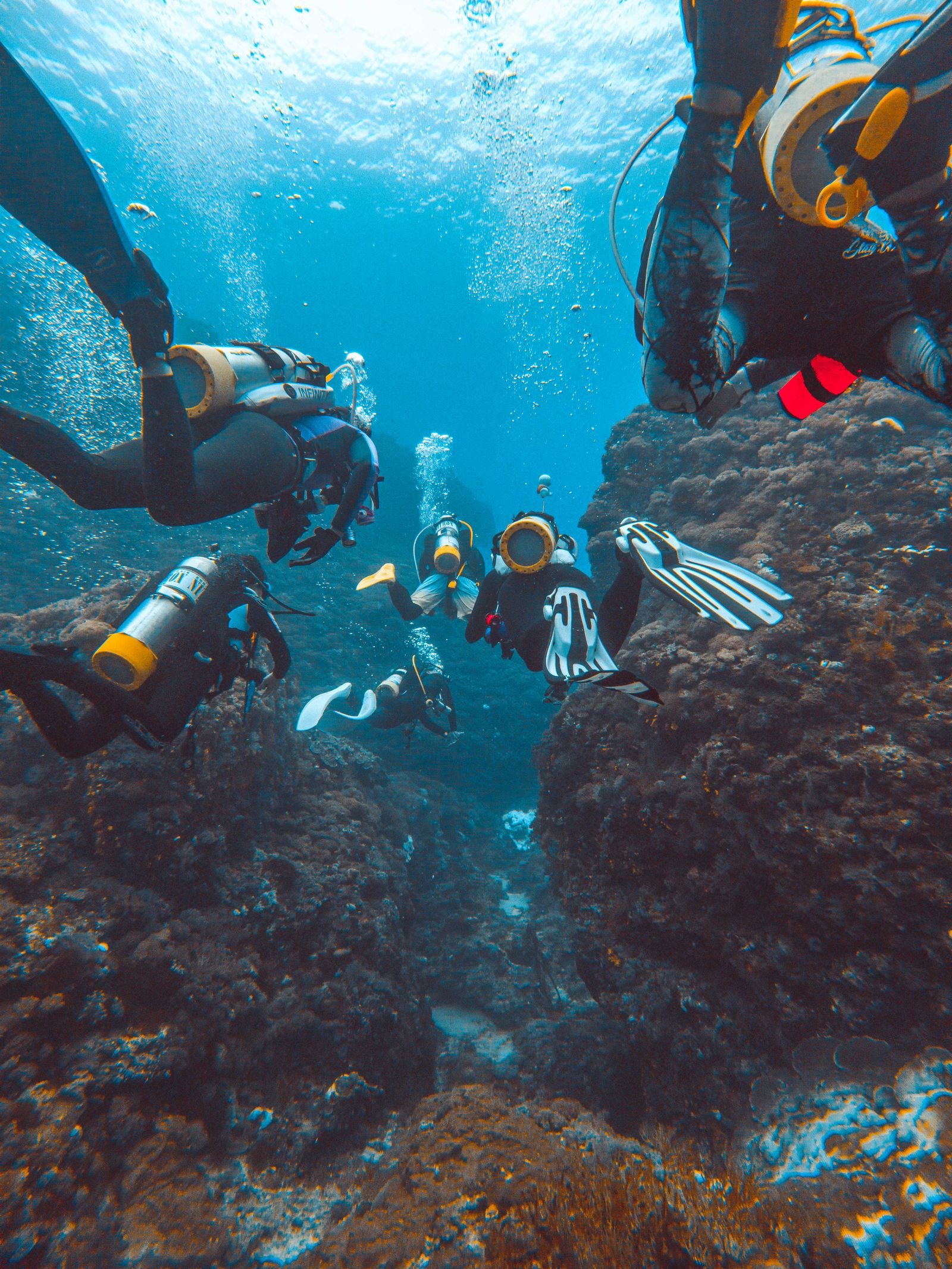
The existence of different agencies raises a question: how can training levels be compared?
Part of the answer lies in international standards.
ISO 24801-2:2014, for example, establishes competencies for the level known as Autonomous Diver.
The ISO 24802 family defines requirements related to instructor training, while ISO 24803:2017 addresses the provision of recreational diving and snorkeling services.
These standards provide references for comparing competencies and service requirements.
They do not mean that every certification is interchangeable in every circumstance.
Equivalencies depend on specific standards, admission requirements, the diver’s experience and the applicable policies of the receiving organization.
A certification provides evidence of particular training; it does not automatically demonstrate experience in all diving conditions.
How the Market Is Organized in Latin America
Across Latin America, independent centers coexist with operations inside resorts, specialized schools, independent instructors and sports associations.
Choosing a training agency can influence several aspects of an operation:
- Availability and cost of educational materials.
- Affiliation requirements and fees.
- Professional training and updating.
- Recognition of credentials by international operators.
- Digital platforms and administrative tools.
- Language adaptation of programs.
Costs and affiliation conditions are not necessarily uniform between countries or membership types.
Moreover, the commercial choice of an organization should not be confused with an automatic guarantee of quality.
An experienced instructor, a well-managed center and a properly delivered program are essential factors regardless of the name printed on the credential.
The Certification Market Cannot Be Reduced to a Ranking
Although organizations publish growth figures and totals of professionals and affiliated centers, there is no homogeneous public data series that allows precise calculation of each agency’s share in every Latin American market.
Directly comparing cumulative certifications, registered professionals and active centers can lead to misleading interpretations.
They are different indicators.
Understanding the regional market would require studying, among other figures, certifications issued annually by country, active centers, instructor distribution and the educational continuity of students.
Without that information, any comprehensive ranking of the regional market would be incomplete.
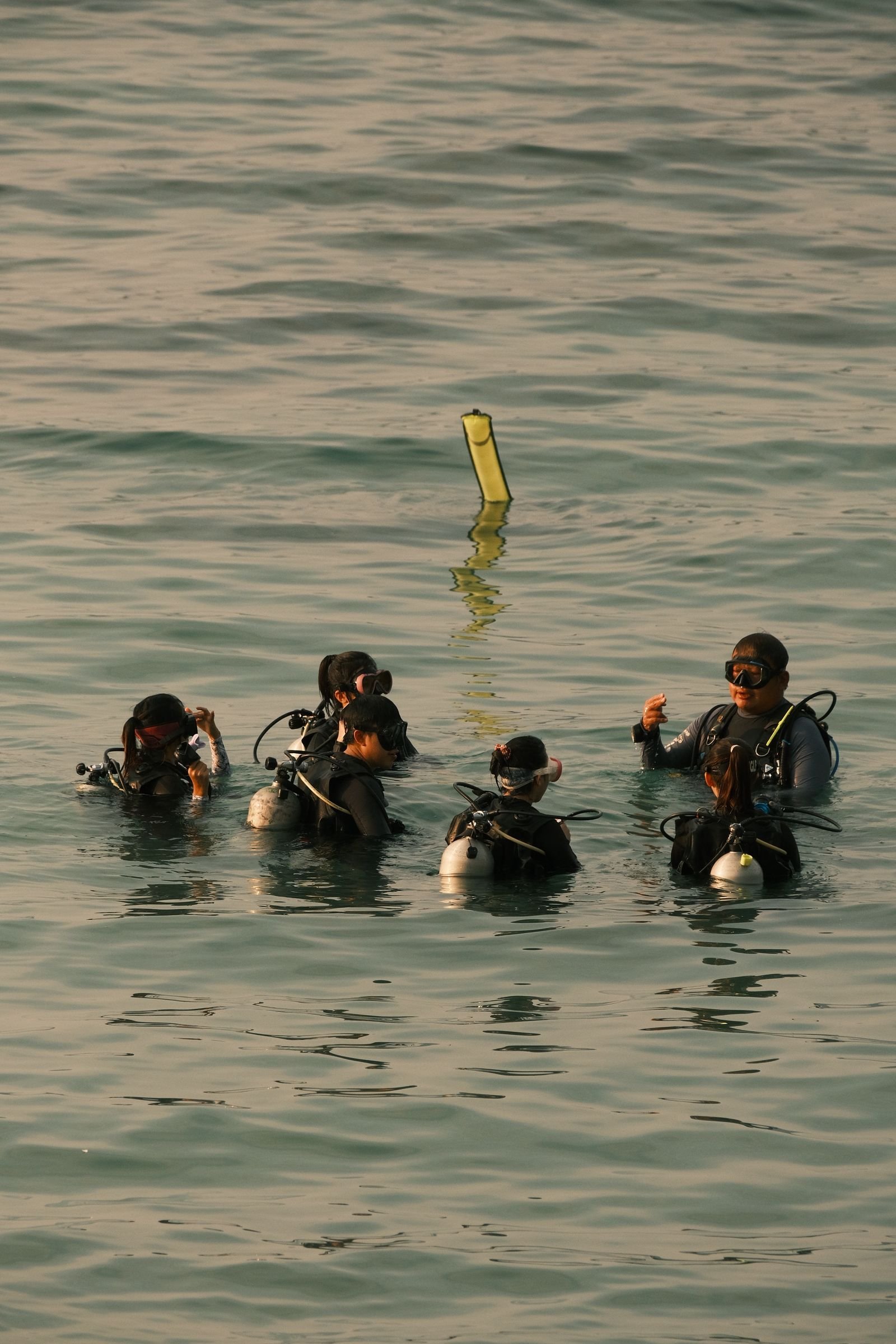
Training Continues After Certification
A first diving card marks the end of one educational stage, but it does not replace experience.
Environmental conditions, time away from diving, equipment familiarity and site characteristics affect a diver’s ability to operate safely.
This explains the importance of refresher programs, continuing education and responsible assessment of the conditions of each dive.
For agencies, the challenge is to maintain consistent, accessible educational systems.
For centers, it is to apply those standards responsibly.
And for students, perhaps the most important decision is not choosing a set of initials, but finding professionals who teach correctly, respect their limits and care about their actual progress.
A certification identifies training received. Competence underwater must be maintained and developed throughout a diver’s life.
This article is also available in: Español · Português