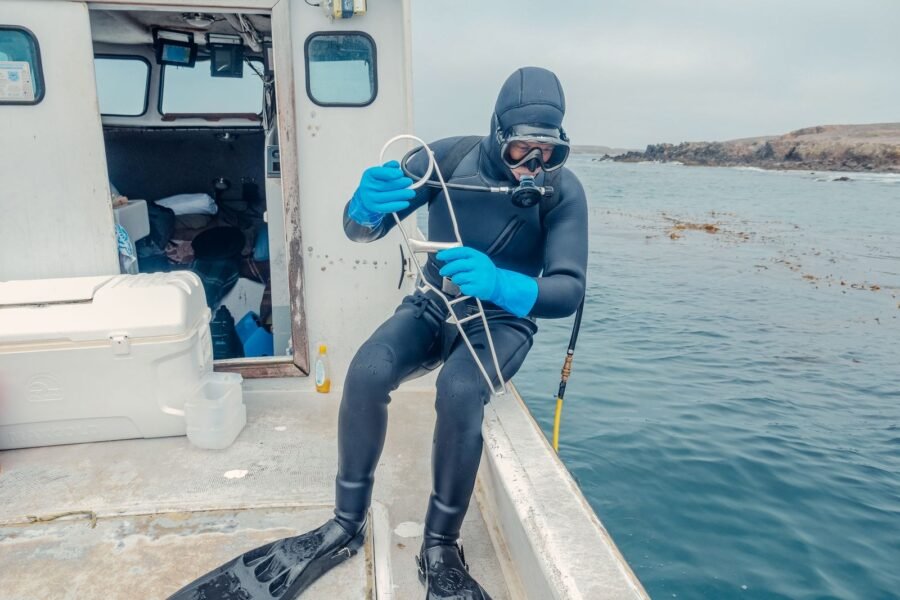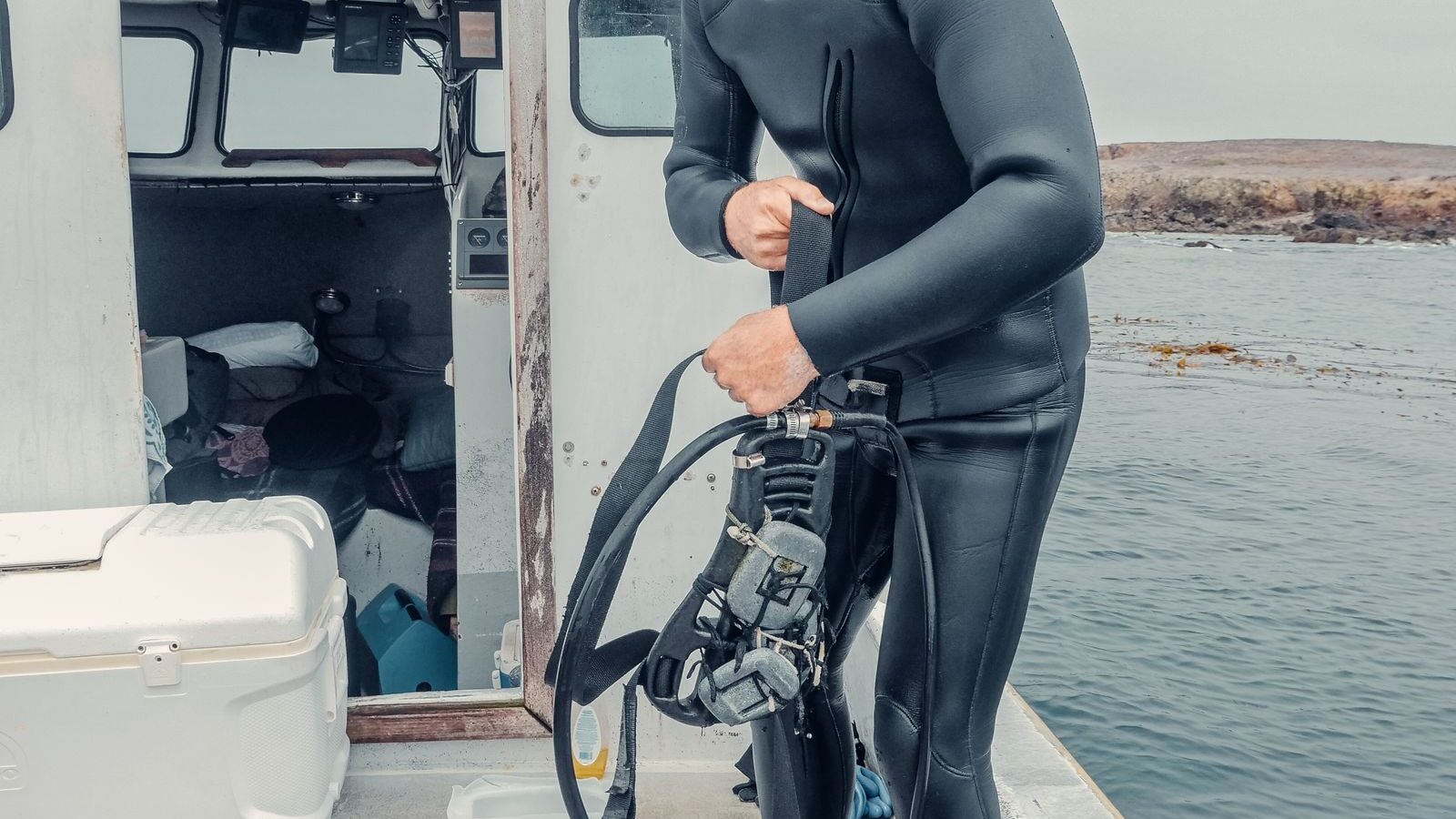
A safe dive begins long before entering the water and ends after every participant has returned. We examine the essential procedures that should be part of professional diving operations.
The boat is ready to depart. The cylinders have been filled, the captain checks sea conditions and passengers begin preparing their equipment.
In a well-organized operation, much of the safety work should already have been completed.
Certifications have been verified, relevant medical information reviewed, environmental conditions assessed and an emergency response procedure established.
Yet these checks are not always visible to the customer.
Recreational diving safety depends on numerous small decisions that, together, help reduce risks.
Divers Alert Network (DAN) has developed prevention materials specifically for operators, instructors and diving professionals.
Its recommendations provide a useful reference for examining which procedures should be incorporated into an organized operation.
Safety Begins with Assessing the Participant
One of the most serious mistakes would be to assume that a certification alone proves someone is ready for any dive.
A diver may hold a valid credential but have been out of the water for several years.
They may also have experience in calm waters but be unfamiliar with strong currents, boat entries or limited visibility.
Before confirming the activity, an operator should verify certification level, recent experience and whether participants’ abilities correspond to the site’s characteristics.
Medical fitness checks require following the relevant questionnaires and procedures while respecting the confidentiality of the information.
When an answer requires medical assessment, the applicable process must be followed before participation is authorized.
The objective is not to exclude customers arbitrarily, but to identify situations requiring additional assessment or a more appropriate activity.
Every Dive Needs a Plan
Every trip requires planning suited to the site and actual conditions.
The responsible professional must consider planned depth, duration, gas consumption, applicable limits, currents, weather, entry and exit points and procedures if the group becomes separated.
The composition of the group also matters.
A group of newly certified divers may need a different supervision arrangement from experienced divers who know the site.
The maximum number permitted by a standard does not necessarily represent the ideal number in every condition.
Supervision ratios must meet applicable requirements and be adjusted conservatively when circumstances demand it.
Deciding to cancel or modify a dive should be a normal part of risk management.
A Briefing Is Not a Formality
Pre-dive explanations can become routine.
When a guide repeats instructions automatically, there is a risk of omitting important information or assuming knowledge participants may not have.
An effective briefing should explain the site’s characteristics and planned procedures.
Important topics include communication signals, the buddy system, depth and time limits, gas management, navigation, lost-group procedures and environmental rules.
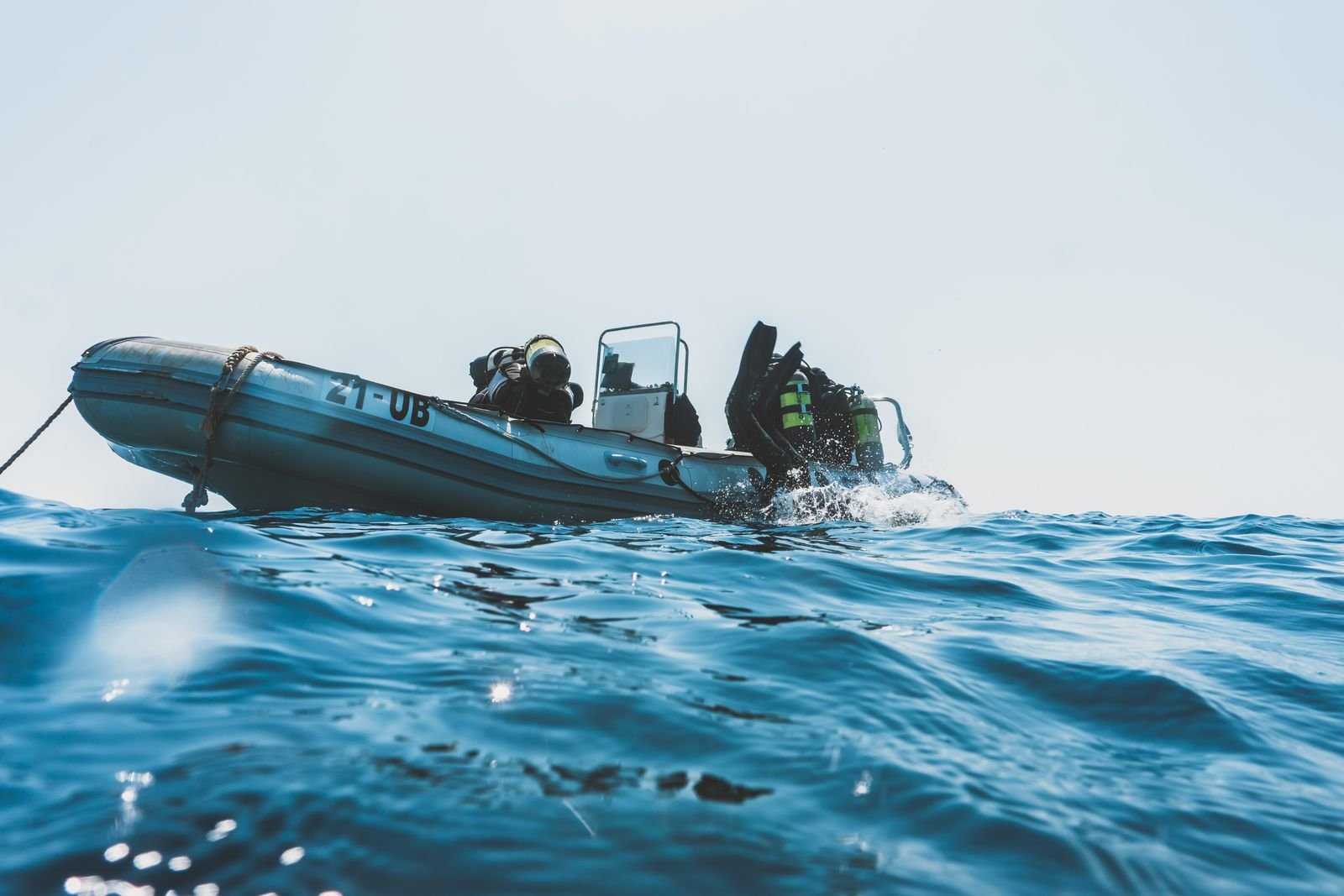
Entry and exit procedures should also be explained, especially in currents, waves or a moving vessel.
DAN recommends incorporating diver-accounting methods and equipment checks performed by participants and their buddies, under appropriate supervision.
The purpose of a briefing is not to complete a presentation. It is to make sure the group understands how the activity will take place.
Equipment Checks Must Be Systematic
Diving equipment contains components requiring periodic maintenance and inspection.
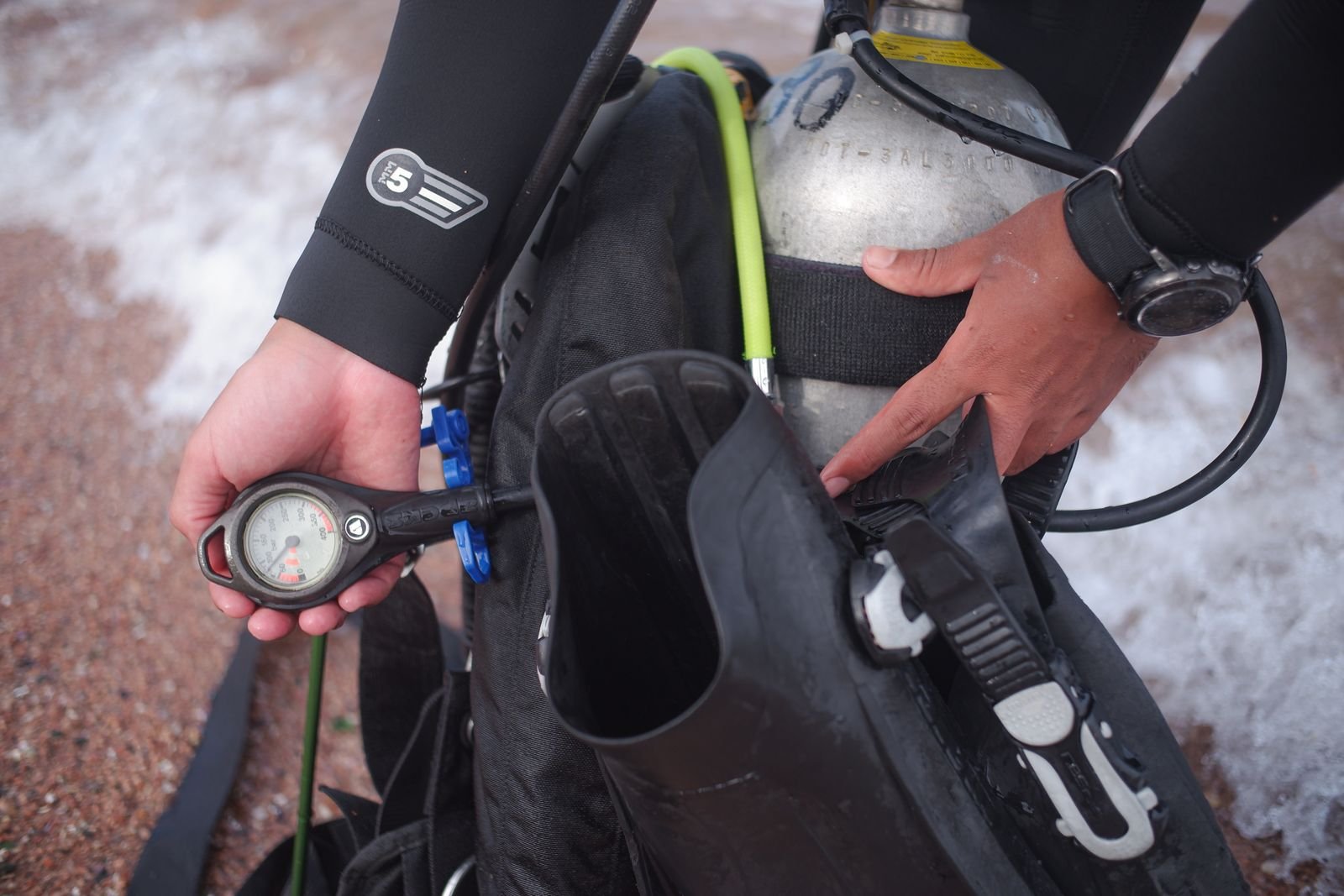
Regulators, buoyancy systems, connections, cylinders and instruments must be suitable for use.
Before entering the water, each diver needs to check that their equipment functions correctly.
Buddy checks include verifying buoyancy systems, connections, gas availability, regulators, alternate air sources and weight-release mechanisms.
Rental equipment requires a documented maintenance program and clear criteria for removing defective components from service.
A fault detected before a dive can be resolved under controlled conditions.
Ignoring it or improvising a last-minute repair unnecessarily increases exposure to risk.
The Captain’s and Crew’s Roles
Safety on a boat dive does not depend solely on the guide accompanying the group underwater.
Captains and crew perform essential roles in navigation, surface monitoring, diver recovery and emergency response.
DAN recommends specific procedures for vessels used in diving operations.
These include preparation of communication equipment, inspection of emergency supplies, passenger accounting and protocols to prevent propeller injuries.
During entries and exits, engines and propellers must be managed according to safe procedures and applicable navigation rules.
There must also be an effective system to account for everyone before and after every dive.
An informal headcount should not replace a verifiable procedure.
Emergency Oxygen: Availability and Training
Emergency oxygen is among the essential equipment recommended for treating certain diving-related injuries.
Simply having a cylinder is not sufficient.
The system must be checked for proper function, complete accessories and an adequate supply for the anticipated evacuation time.
Designated staff must be trained to use it.
DAN recommends considering the distance to medical services, the vessel’s characteristics and the possibility that more than one person may need assistance.
First-aid equipment should be inspected periodically and protected from moisture and deterioration.
An automated external defibrillator can strengthen the response to certain cardiac emergencies when trained personnel are available.
First-aid oxygen does not replace medical assessment or any specialized treatment that may be necessary.
An Emergency Plan That Works in Practice
One of the most important documents in an operation is its Emergency Action Plan.
It must address foreseeable incidents at each site and establish specific responsibilities.
What happens if a diver does not surface? How is the initial search coordinated? Who calls for assistance? Where is the oxygen equipment? How will an injured person be transported?
These decisions should not be improvised during an emergency.
DAN recommends that plans take into account the characteristics of the center, vessel and each dive site.
They should also consider available communication methods, evacuation routes and the location of appropriate medical services.
Knowing the location of a hyperbaric chamber may be useful, but that does not mean it should always be the patient’s first destination.
Initial medical care and coordination with emergency services are essential to determining the next steps.
Drills make it possible to verify whether written procedures can actually be carried out using available staff and resources.
Regulatory Framework: Obligations and Best Practices
In Mexico, NOM-012-TUR-2016 regulates the provision of tourism diving services and is listed as current in the official standards system.
It covers information, safety, service provision and equipment, as well as requirements relating to guides and establishments.
It includes limits and supervision ratios depending on the participant’s program and level, age and other conditions established by the regulation.
There is no single ratio that can be applied indiscriminately to every activity.
In other Latin American countries, legal and administrative obligations may differ.
ISO standards for recreational services and DAN technical recommendations provide additional references, but they do not replace local legislation.
It is important to distinguish among a legal requirement, a training standard and an operational best practice.
Compliance with one does not automatically demonstrate compliance with the others.
A Safety Culture Is Built Every Day
Safety cannot be achieved through a single training session or equipment purchase.
It requires repeatable procedures, clearly understood responsibilities and the ability to review mistakes.
A center should record incidents and near misses, even when no injuries occur.
Analyzing those events makes it possible to identify problems before they happen again.
Staff should also be able to communicate concerns without pressure to continue an activity when conditions are unsuitable.
Operational quality is particularly evident in difficult decisions: modifying a route, reducing participant numbers, changing the site or canceling a trip.
Customers may remember a reef, a turtle or an unexpected encounter with marine life.
To keep those experiences possible, the less visible work must be performed with the same rigor as the service underwater.
Prevention does not eliminate every diving risk. But it allows operators to identify and manage risks and to be better prepared when events do not unfold as planned.
This article is also available in: Español · Português