For more than two decades, Costa Rica, Panama, Colombia and Ecuador have worked to protect a marine region whose ecology does not follow political borders. With a 2025–2035 Action Plan, the Eastern Tropical Pacific Marine Corridor aims to improve connectivity among protected areas and support economic activities compatible with conservation.
Other languages: Español · English · Português
Hammerhead sharks seen around Malpelo do not necessarily remain in Colombian waters. Turtles, cetaceans and other migratory species cross national jurisdictions. This reality underpins CMAR, a regional initiative created through the 2004 San José Declaration. The Galápagos, Cocos Island, Malpelo, Gorgona and Coiba are familiar diving destinations, but the corridor is much more than an expedition route.
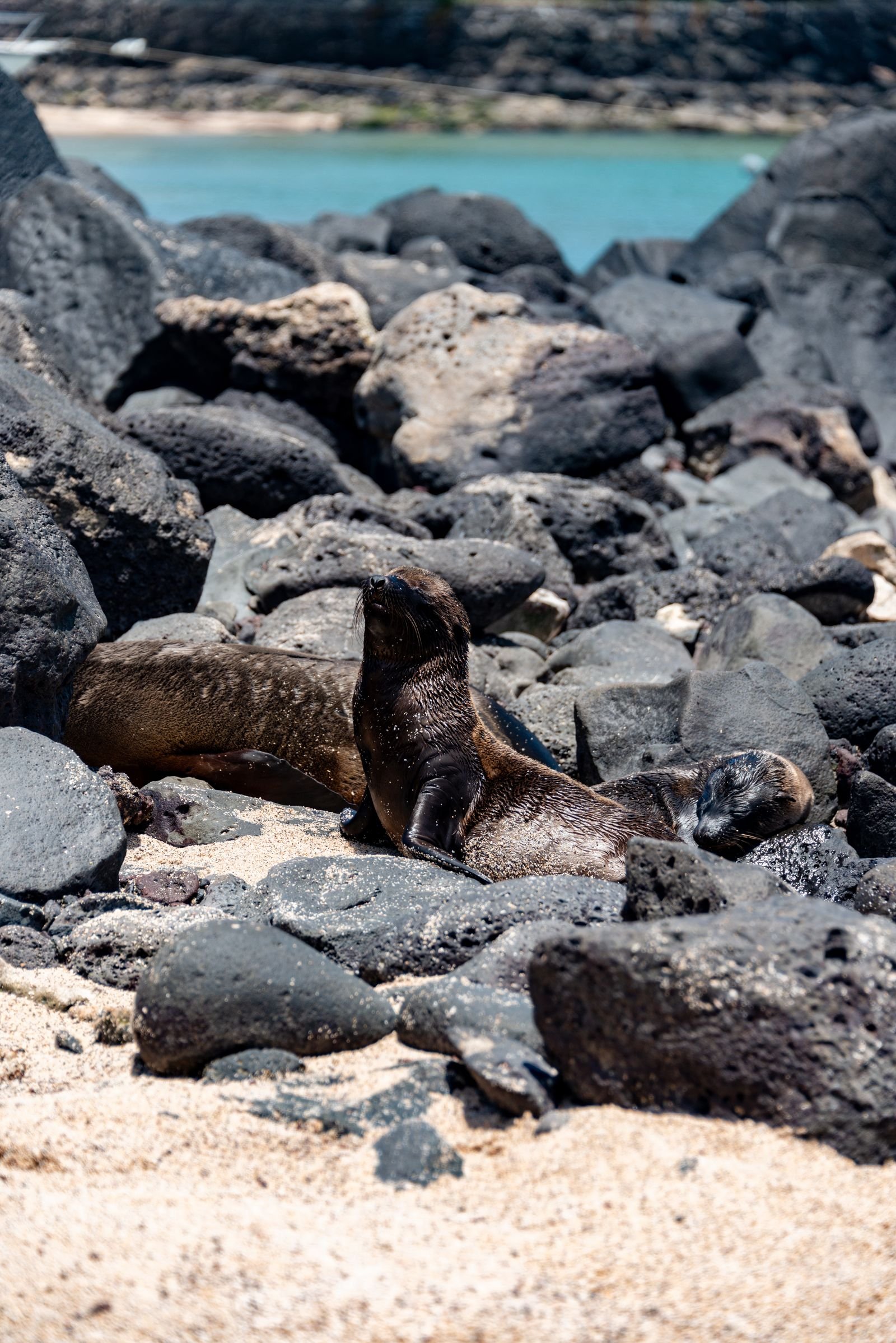
A corridor connecting ecosystems, not only islands
CMAR began around five emblematic protected areas. Its structure has expanded and now recognizes ten core areas, including additions in Ecuador, Costa Rica, Colombia and Panama. The expansion responds to a central marine conservation problem: protecting an island or reef does not guarantee protection of the routes used by migratory animals.
Ecuador established the 60,000-square-kilometer Hermandad Marine Reserve northeast of the Galápagos in 2022, using different fisheries-protection regimes. Its design aims to help conserve migratory species corridors.
CMAR is not, however, one continuous park governed by a single set of rules. Each area retains its legal framework, authorities and management instruments. Regional cooperation seeks coordination without replacing national powers.
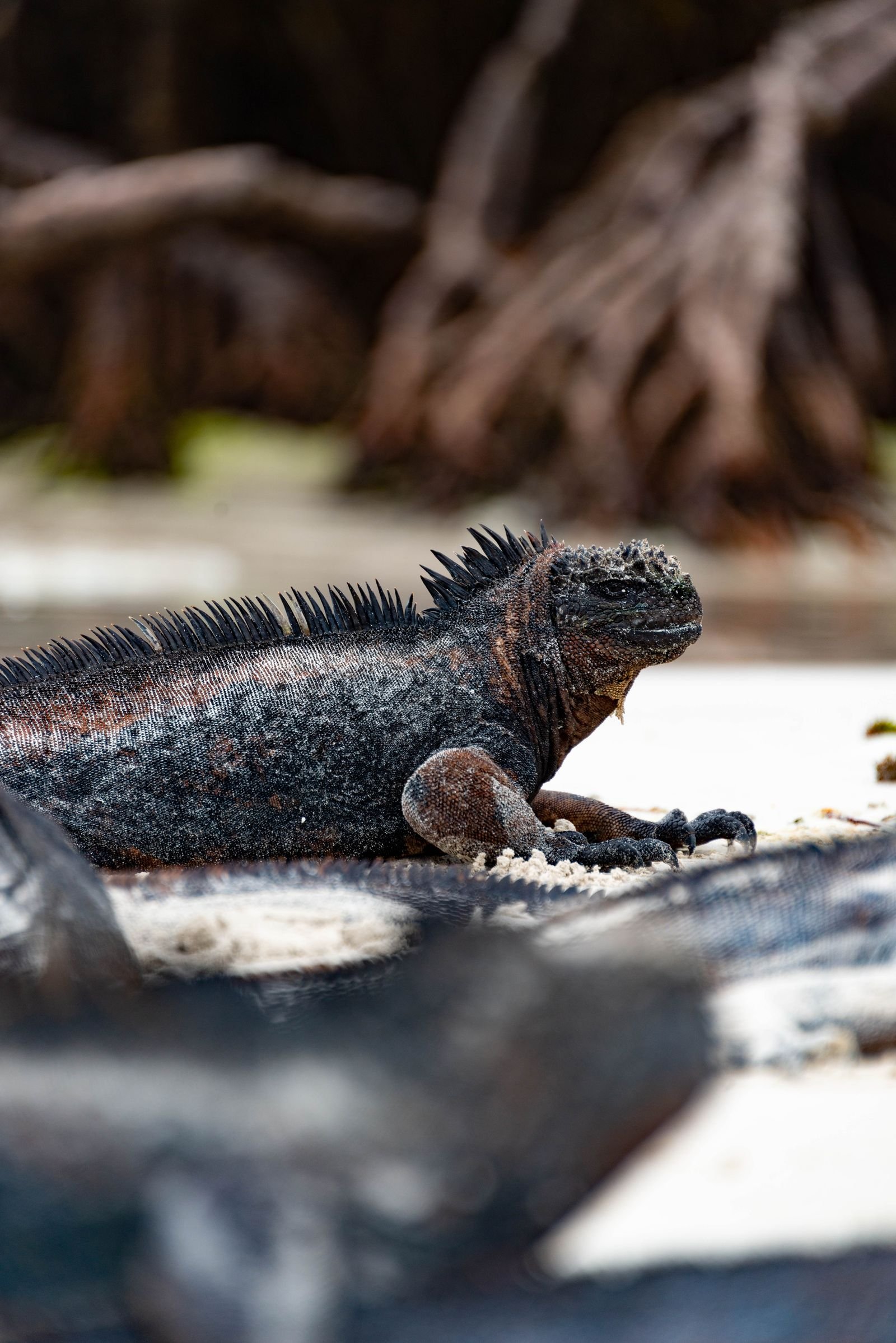
An action plan approved for 2025–2035
On October 7, 2025, CMAR’s Regional Ministerial Committee approved the 2025–2035 Action Plan, made publicly available in 2026. It was developed through a participatory process involving institutions from all four countries, with World Bank support through PROBLUE.
The document has five pillars: regional governance; biodiversity conservation and management; sustainable use of biological resources; control and surveillance; and climate change. It includes initiatives on research, funding, institutional coordination and tourism.
Approval does not guarantee results. Implementation will require resources, continuity in public policy, trained staff and evaluation instruments. The distinction between announcing goals and proving ecological change will be decisive in the coming decade.
Tourism is part of the conservation plan
Diving brings international visibility to parts of the Eastern Tropical Pacific. Shark aggregations, pelagic wildlife and island environments attract travelers willing to book specialist expeditions. That creates economic potential, but also pressure on sensitive sites.
CMAR’s regional tourism group works on exchanging experience and good practices. Its plan includes developing or updating regional responsible-tourism guidance so activities can benefit communities without compromising ecosystems.
Managing tourism is not simply about charging higher fees or imposing arbitrary quotas. Every protected area needs to assess ecological capacity, access rules, monitoring capacity and permitted activities. Visitors must understand that observing wild animals means accepting natural behavior, including encounters where the expected species does not appear.
Four countries with different rules and realities
Ecuador manages the Galápagos and Hermandad; Costa Rica oversees Cocos Island and the Bicentennial Marine Management Area; Colombia has places such as Malpelo and Gorgona; Panama includes Coiba and Cordillera de Coiba. They differ in ecology, accessibility and management systems.
A permit valid in one reserve does not authorize activities in another. Visitor limits, mooring techniques and guide requirements should not be extrapolated from country to country. Travel conditions depend on navigation, diver experience and protected-area regulations alike.
In some territories tourism can be integrated with resident economies; in others, operators depart from distant ports. This affects how much of the trip’s revenue remains near the ecosystem being visited.
| Country | Notable areas |
|---|---|
| Ecuador | Galápagos and Hermandad |
| Costa Rica | Cocos Island and Bicentennial Marine Management Area |
| Colombia | Malpelo and Gorgona |
| Panama | Coiba and Cordillera de Coiba |
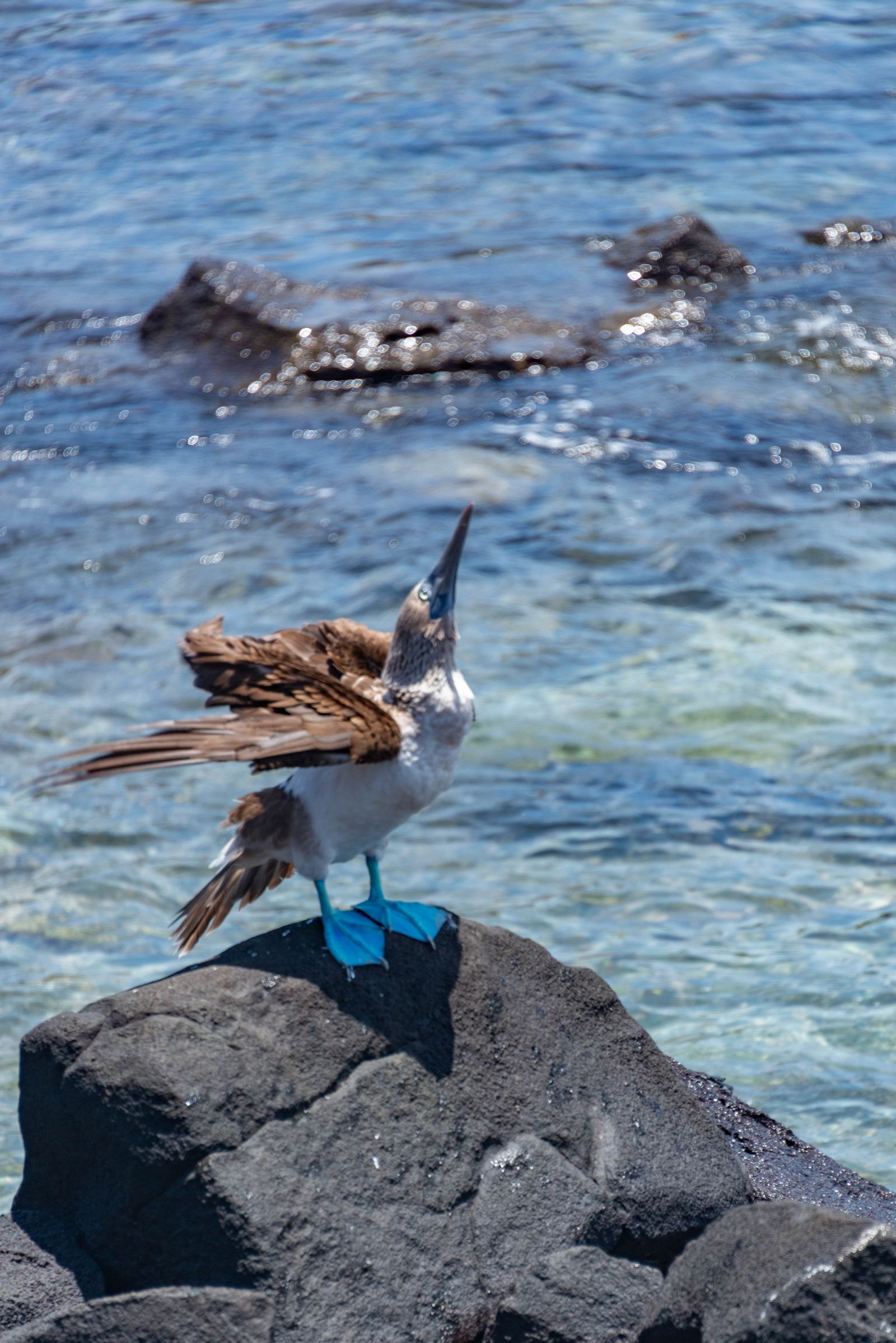
Sharks have value but are not attractions to be controlled
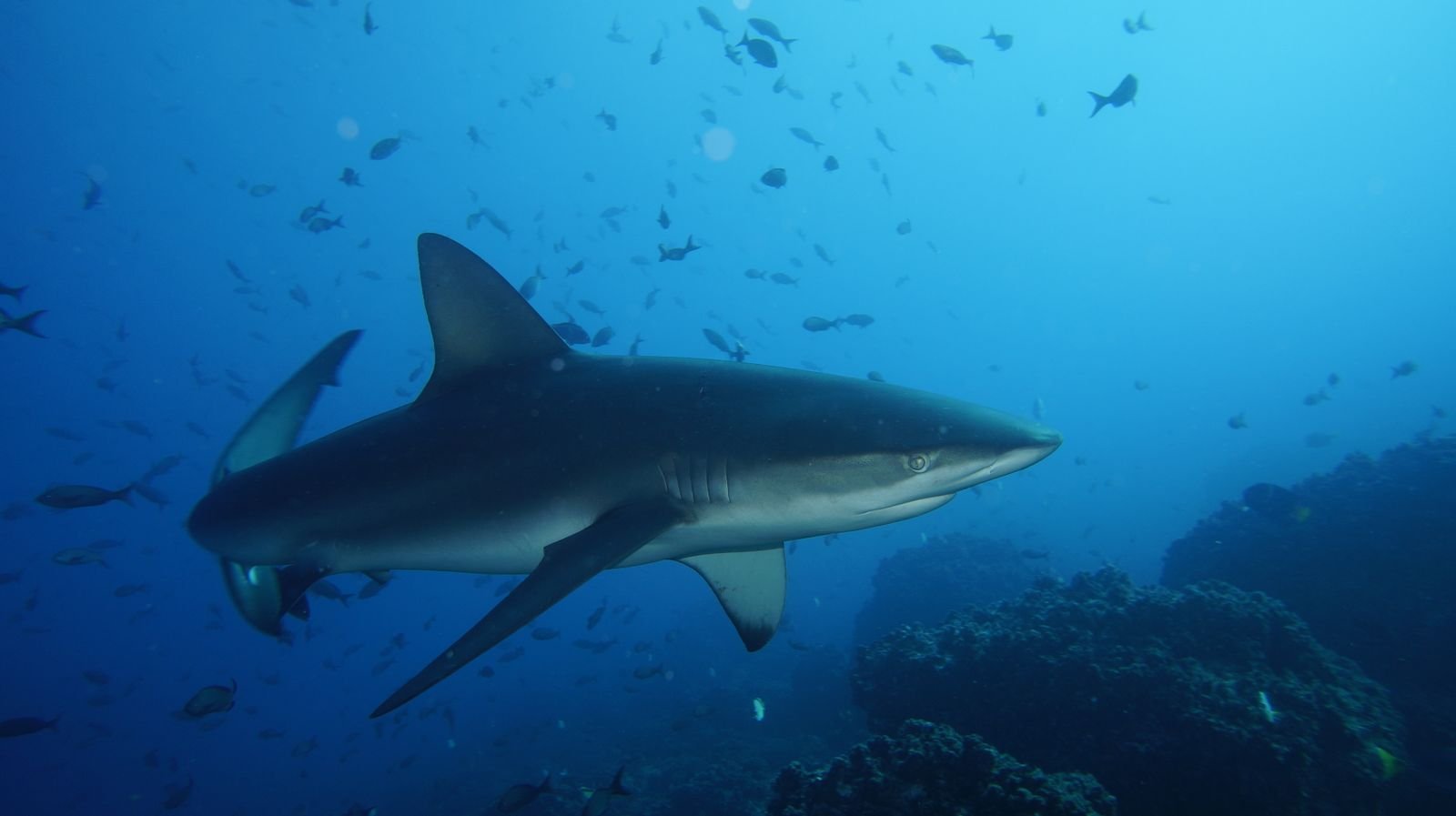
Hammerhead sharks have become one of CMAR’s internationally recognized symbols. They represent biodiversity and attract specialist tourism, but no responsible operation can guarantee an aggregation at a particular date or depth.
Chasing, cornering or deliberately changing an animal’s movement to obtain photographs conflicts with responsible observation. Environmental conditions, reproduction and food availability influence the distribution of wild animals.
Commercial descriptions should explain that uncertainty. A wildlife encounter cannot become an obligation used to justify interfering with behavior.
Surveillance, communities and the test of results
Oceanic spaces are extensive and difficult to monitor. Unauthorized fishing, pressure on resources and limited enforcement capacity challenge authorities. CMAR’s plan devotes a pillar to surveillance and cooperation, including monitoring technologies. Data is useful only where institutions can verify and act on it.
Management also affects fishing communities, operators and researchers with different interests and needs. Restrictions require evidence, participation and understandable rules. Listing sustainable use as a CMAR objective does not mean allowing every activity.
Over the coming decade, success will depend on whether habitats and populations remain healthy or recover, surveillance improves and economic activity respects environmental limits. For dive operators, the tasks include following rules, reporting impacts and participating in coordinated scientific initiatives. Protecting the Eastern Tropical Pacific means safeguarding both its famous islands and the waters connecting them.
Conservation and local development require participation
Marine protection affects fishing communities, tourism businesses and organizations dependent on the sea. New restrictions announced without participation or realistic alternatives can generate conflicts that weaken long-term management.
Sustainable use is a CMAR policy pillar precisely because conservation must address different social realities. It does not imply allowing every activity. It requires evidence-based decisions, clear rules, monitoring and dialogue with affected groups.